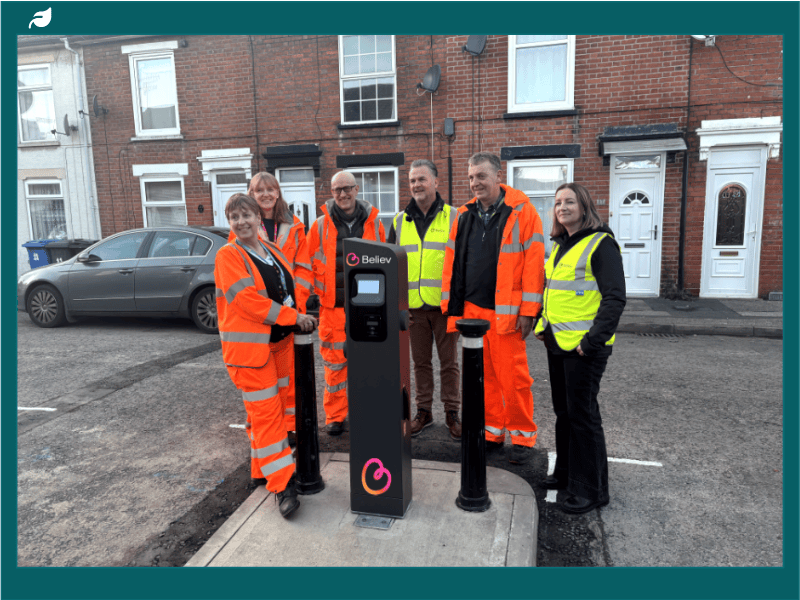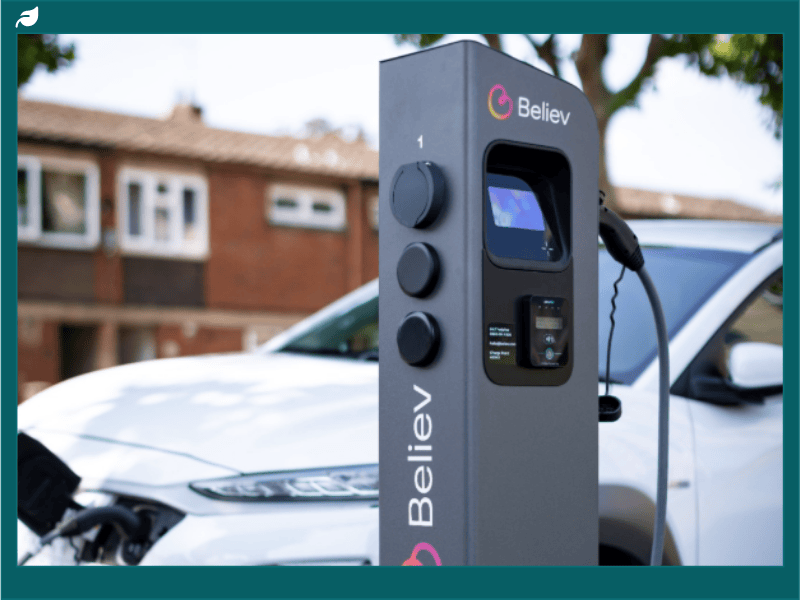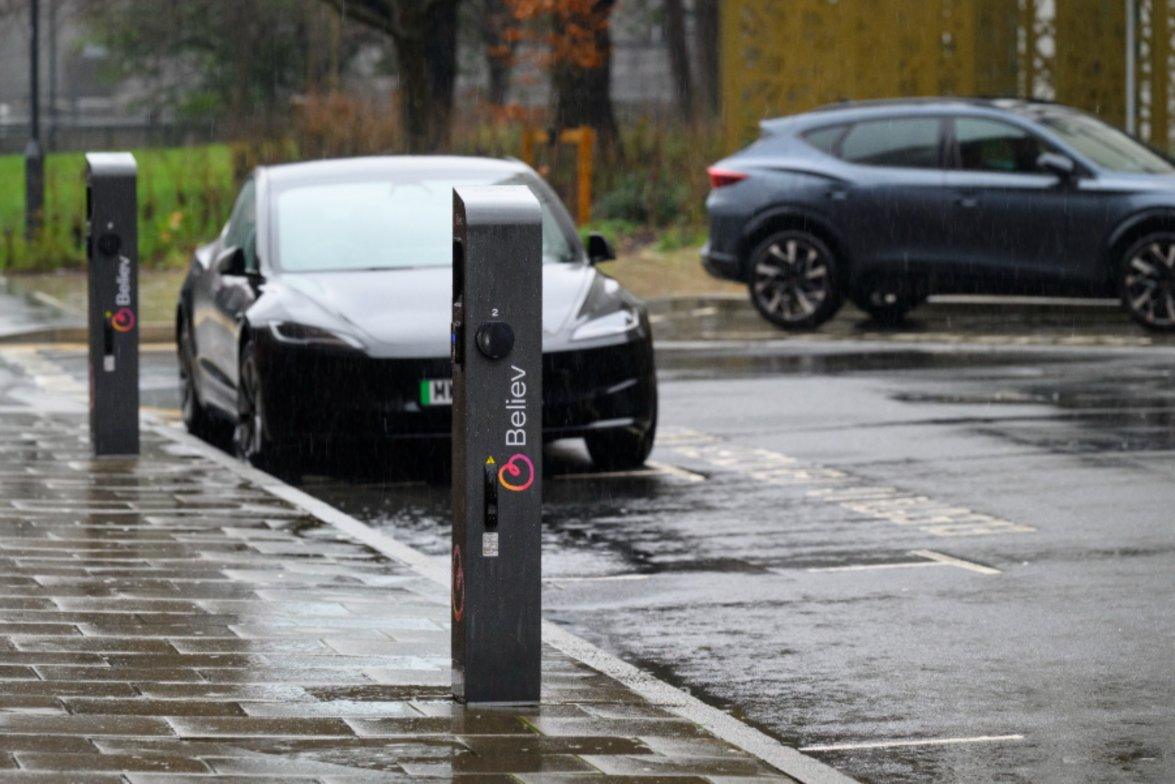
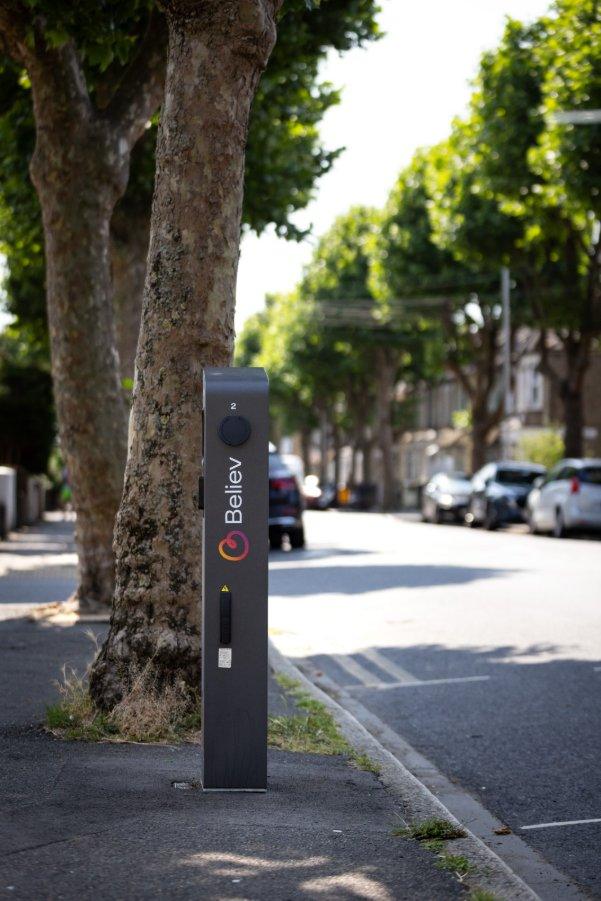
Devon County Council and Torbay Council have partnered with EV charge point operator Believ to deliver more than 1,300 fully funded electric vehicle charge points across the region. The rollout targets residents without access to a driveway or the means to charge privately at home, extending EV infrastructure into rural and underserved areas. Developed through the Local Electric Vehicle Infrastructure (LEVI) scheme, the project will be entirely funded by Believ, with sister company Virgin Media O2 supporting delivery at scale. Installation is set to begin at the end of September, ahead of the UK’s 2030 ban on new petrol and diesel vehicle sales.
A Network Built For Everyday Access
The charge points will be Standard chargers, a category previously termed fast chargers and recently re-categorised by the DfT, designed for long-stay and overnight charging. Locating them across a wide spread of sites, including rural and underserved communities, is intended to make EV ownership realistic for people who currently have no way to charge at home. All units will offer contactless payment and will be PAS1899:2022 compliant where possible, aligning the rollout with the accessible charging specification that guides inclusive infrastructure design.
Backing A Region With High Visitor Numbers
Devon and Torbay attract significant numbers of visitors each year alongside their resident populations, adding pressure on public charging demand that a robust network is intended to relieve. Believ’s chief executive framed the partnership as a chance to strengthen infrastructure in a part of the country he sees as strategically important for the wider EV transition.
Guy Bartlett, CEO at Believ, said:
“We’re proud to be supporting Devon and Torbay in building a robust and accessible EV charging network to encourage further EV uptake in the area. The South West is an important region to increase charging infrastructure, and this partnership will offer betterment to the local area for residents and the high volume of visitors that Devon and Torbay see every year.”
Councils Cite Delivery Expertise
For Devon County Council, the choice of Believ followed a tender process that weighed technical capability alongside practical delivery experience, including the operator’s approach to managing grid connection challenges across a large-scale rollout.
Councillor Jaqui Hodgson, Devon County Council’s Cabinet Member for Environment and Biodiversity, said:
“In the tender process, Believ demonstrated clear delivery processes and an understanding of how to mitigate possible grid connection complications to deliver an efficient and scalable rollout in our community. Its expertise in planning support is reinforced by an ability to install all charging speeds, ensuring the right chargers are installed at the right locations.”
Supporting Local Climate Goals
Beyond expanding access to charging, the councils see the project as part of a broader push to encourage low-emission travel, improve air quality and cut carbon emissions in the run-up to the 2030 ban on new petrol and diesel vehicle sales. Public charging availability remains a recognised barrier to EV adoption in areas without off-street parking, and the scale of this rollout, more than 1,300 publicly accessible charge points, marks a substantial addition to the South West’s network.
A Model For Regional Rollouts
With funding secured through the LEVI scheme and delivery underwritten fully by Believ rather than the councils, the arrangement removes cost as a barrier to expanding access for residents in rural and underserved parts of Devon and Torbay. As installation begins at the end of September, the project stands as a practical example of how charge point operators, local authorities and delivery partners such as Virgin Media O2 can combine to close the gap between EV ambition and everyday access for drivers without private charging options.