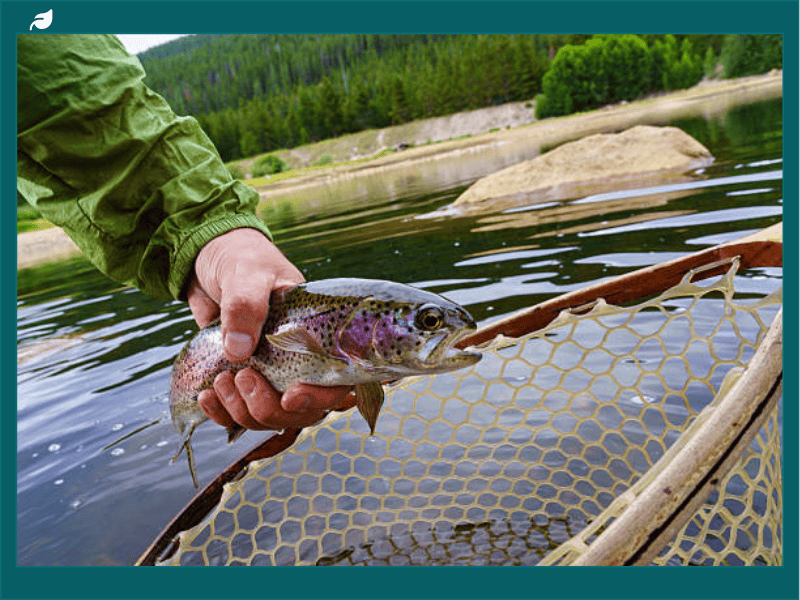
Fishing at the right time has always involved a mix of instinct, observation and increasingly, data that helps you make more informed decisions. In the United States, where conservation frameworks are tightly linked to recreational fishing, your timing influences both your catch rate and the long-term health of the waters you visit. In fact, participation continues to rise, with around 57.9 million Americans going fishing last year, which marks the highest level ever recorded and highlights how widely these decisions now matter across shared ecosystems.
Fish respond to patterns in light, temperature, tides and seasonal cycles, so your ability to interpret these signals directly affects your results. When you approach each trip with a clearer sense of timing, you reduce unnecessary pressure on fish populations, while you also make your time on the water more productive and purposeful.
Reading natural cycles to identify peak activity
When you begin to understand the best fishing times, you start to see how fish behavior follows environmental cues that repeat with surprising consistency across different regions. Early morning and late evening periods tend to produce higher activity, as lower light levels give predatory species more confidence to move into feeding zones. Lunar phases contribute another layer, as new and full moons increase gravitational pull, which strengthens tidal movement in coastal systems and influences feeding patterns in freshwater as well.
If you align your trips with these overlapping cycles, you place yourself in conditions where fish are naturally more active, which leads to better outcomes without requiring longer sessions on the water. Over time, you start to recognize how subtle local variations, such as water clarity or structure, interact with these cycles to refine your timing even further.
Using digital tools to refine timing decisions
As your understanding grows, digital tools can help you translate theory into practical decisions that fit your schedule. Resources like https://fishingpoints.app/ combine solunar forecasts, weather updates and tide data into one interface, so you can quickly identify high-probability windows before heading out. These platforms draw on established relationships between moon position, atmospheric pressure and fish activity, which gives you a structured way to plan trips with greater accuracy.
When you rely on this kind of data, your fishing becomes more focused, so you spend less time waiting for conditions to improve and more time engaging with active fish in well-timed sessions. As a result, your preparation becomes more intentional, which helps you approach each outing with a clearer plan and realistic expectations.
Balancing success with seasonal and biological awareness
As you refine your timing, it becomes equally important to consider how seasonal patterns influence fish vulnerability, particularly during spawning periods. Many popular U.S. species gather in predictable areas during these times, which can make them easier to locate, though they are also more sensitive to disturbance. If you continue to target these fish heavily, local populations can experience stress that affects future stock levels.
A more thoughtful approach involves adjusting your timing slightly outside peak spawning windows or adopting low-impact techniques that reduce handling time, so you maintain a balance between personal success and long-term sustainability. This awareness gradually strengthens your decision-making, which allows you to fish responsibly without compromising the overall quality of your experience.
Interpreting weather and water conditions in real time
Even with strong planning, real-time conditions are decisive in influencing how fish behave once you are on the water. Stable weather patterns tend to support consistent feeding activity, although short-term changes such as falling barometric pressure often trigger brief periods of increased aggression. Water temperature also influences metabolic rates, which means that small shifts can alter how frequently fish feed throughout the day.
When you pay attention to wind direction, cloud cover and temperature trends, you gain a clearer sense of how these variables interact, so your timing decisions become more adaptive and grounded in current conditions. Ultimately, this level of awareness helps you make small adjustments on the spot, which often leads to better outcomes during changing conditions.
Building a repeatable, sustainable fishing strategy
Over time, your success becomes more consistent when you treat timing as a system that evolves with experience and observation. Keeping a simple log of your trips, including conditions, timing and results, allows you to recognize patterns that are specific to your local waters. As these patterns become clearer, you begin to anticipate productive windows with greater confidence, which makes each outing more efficient and rewarding.
This approach also supports sustainability, as you naturally focus effort on periods of higher activity, which reduces unnecessary pressure on fish populations and helps preserve the quality of the fisheries you return to. In the long run, this consistency builds a deeper connection with your environment, which reinforces both success and responsible fishing habits.