The Role of Yellowstone in Bison Restoration
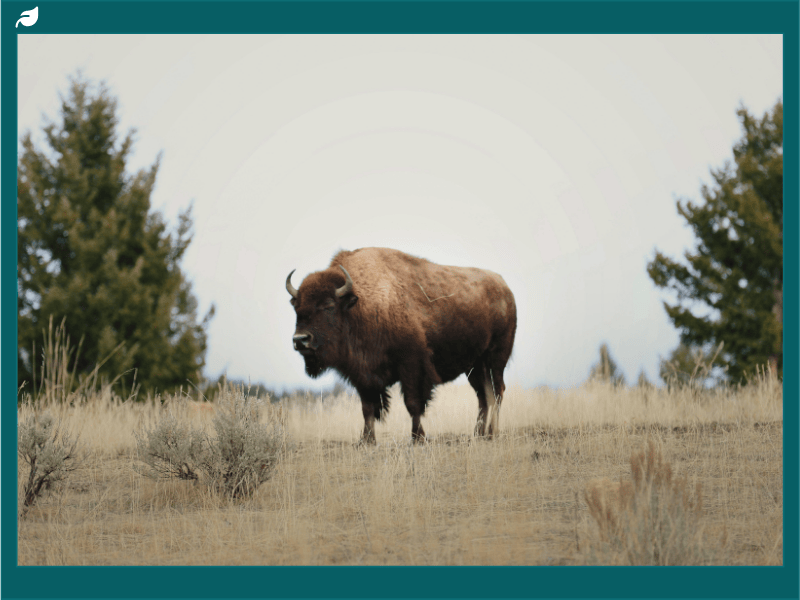
Picture 4,000 shaggy, snow-caked giants moving across a valley floor like something out of the last ice age. That’s not a fantasy. That’s a Tuesday in Lamar Valley. Yellowstone National Park holds the largest public bison herd in the United States, and it did that by refusing to let this animal disappear when almost everyone else had given up on it. A study published in Science, covered by the Greater Yellowstone Coalition found that in areas where Yellowstone bison graze heavily, plants regrow with 150 percent more nutrients, significantly boosting forage quality for other plant-eating wildlife without damaging the land.
This isn’t just a story about one big, tough mammal getting a second chance. It’s about an entire ecosystem, plus the tribal and indigenous communities whose histories are braided into the bison’s own. Understanding how Yellowstone pulled this off, and why it still matters, means going back to how close we came to losing the American bison altogether.
Understanding the History of Bison in Yellowstone
Here’s the brutal part first: bison once numbered in the tens of millions across North America, and within a few decades of unchecked hunting and habitat loss, they were nearly gone. Wiped out. Not endangered, not threatened, nearly extinct. That’s the scale of what almost happened, and it’s worth sitting with that number for a second, because it’s the kind of collapse that usually only shows up in the fossil record, not in living memory.
Yellowstone changed the ending. Its remoteness meant a small, scattered herd survived there when the species had been erased from nearly everywhere else in the United States. When Yellowstone became the world’s first national park in 1872, it accidentally became something else too: a sanctuary for a species on the edge. That designation gave the herd legal protection and, just as important, a stable place to exist while early conservationists watched, worried and slowly figured out what to do.
No one planned it as a bison rescue operation. It just turned out that way, and the American bison got lucky that Yellowstone National Park existed at exactly the right moment, in exactly the right corner of the United States, tucked far enough from railroads and settlement that a remnant population could hang on.
The numbers from that era are sobering. At points in the late 1800s and early 1900s, only a few dozen bison could be found in the park. A few dozen. That’s the entire hinge point on which this species turned.
But protective policy and a bit of geographic luck combined to let the population inch back, year by year, decade by decade. By the mid-20th century, scientific management had entered the picture, and the bison population began a slower but steadier climb. It wasn’t smooth. Park administrators were constantly trying to balance the bison’s safety against the risk of overpopulation, tweaking strategy as the herd grew and the ecosystem’s limits became clearer.
Some years brought harsh winters that thinned the herd naturally. Other years brought policy fights over how many animals the land could actually support without wrecking the grasslands underneath them. Every decade added another layer to bison management, and every layer made the next decision a little better informed than the last.
None of this happened in a cultural vacuum. For many tribes, the bison isn’t just wildlife, it’s sacred, central to spiritual life and daily survival alike. Native American communities hunted bison for generations and treated them with a reverence that went well beyond resource management. So bison restoration in Yellowstone was never purely an ecological project.
It was, and is, about protecting a way of life for the indigenous communities connected to these animals. Collaboration between the park and tribal entities has been essential to keeping the herds genetically healthy and well managed, and that partnership continues to shape bison management today, long after the crisis years that nearly wiped the species out.
The result: Yellowstone now holds the largest continuous bison herd anywhere, a genuine conservation success story. Maintaining that genetic diversity and healthy population size didn’t happen by accident. It took decades of restoration work, careful bison management, and constant recalibration as new science came in, and it set a template other conservation efforts still look to. Yellowstone National Park proved a species could be pulled back from the edge of oblivion, and that proof still matters, not just for bison but for every large mammal conservation program that’s used Yellowstone as its reference point since.
Wildlife agencies well outside Montana now study the Yellowstone case file the way engineers study a bridge that didn’t fall down.
The Impact of Yellowstone’s Ecosystem on Bison Recovery
Yellowstone isn’t just a backdrop for bison. It’s a working partner in their recovery. The park’s grasslands, forests and geothermal basins form a genuinely diverse habitat, one that supports the seasonal migrations and grazing patterns that wild bison depend on to stay healthy. Take that landscape away and the recovery story looks very different, maybe impossible.
You need the scale of Yellowstone National Park, the sheer acreage, to let a herd this size actually behave like a wild population instead of a managed enclosure penned in by fences and feeding troughs.
And bison give back. They’re ecosystem engineers, not passengers. Their grazing habits reshape vegetation and boost biodiversity across the park. As they forage and move, they keep grasslands healthy, cycle nutrients through the soil, and create habitat niches for other species, from insects up through predators.
Pull one thread, the whole fabric shifts. Remove bison from this picture and the grasses grow differently, the soil chemistry changes, and species that depend on short-grazed turf lose their foothold entirely. Ground-nesting birds, ground squirrels, even certain wildflowers all lean on the disturbance patterns a bison herd leaves behind.
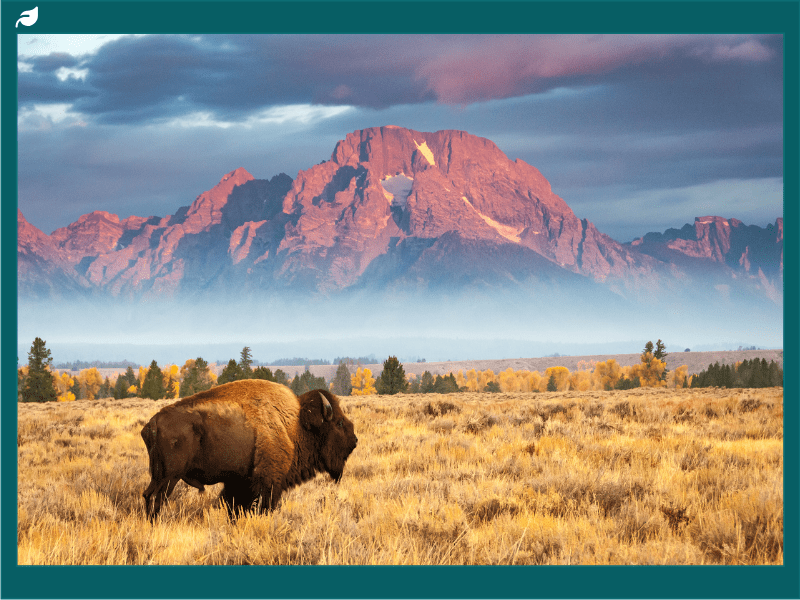
Bison herds even influence fire regimes. By chewing through vegetation, they reduce the fuel load that feeds major wildfires. Their droppings work as natural fertilizer, enriching soil and encouraging the plant growth that sustains both the herds and everything else living around them. It’s a feedback loop, and bison sit right in the middle of it, quietly doing landscape-scale work that no ranger crew could replicate by hand, no matter how many people or how much equipment you threw at the job.
Then there’s the geothermal angle, which is almost bizarre if you think about it. Yellowstone’s geysers and hot springs create warm microhabitats that help bison survive brutal winters. That geothermal heat keeps forage accessible even when snow blankets most of the park, giving the herds a lifeline exactly when they need one most. It’s a strange, wonderful adaptation: an animal thriving partly because it lives on top of a volcano.
Walk near one of these thermal basins in January and you’ll likely find bison bedded down right at the edge, steam curling around their frost-covered flanks while the rest of the park sits buried in snow, the herd essentially borrowing the earth’s own furnace to make it through to spring.
Researchers keep digging into the genetic health of the Yellowstone herd, and for good reason. This is one of the few bison populations with an isolated, largely unmixed gene pool, and understanding how that gene pool stays resilient matters far beyond the park’s borders. It feeds directly into bison conservation work at other reserves and national park sites across North America, including newer reintroduction efforts that rely on Yellowstone genetics to rebuild herds from scratch. Genetics, ecology and hands-on management all intersect here, and the lessons ripple outward, informing how wildlife agencies in other states think about bison population targets, land carrying capacity and long-term herd health, whether that’s a reservation in the northern plains or a private reserve a thousand miles away.
Put simply, Yellowstone National Park is a working demonstration of what good wildlife management looks like when the ecosystem itself does a lot of the heavy lifting. The park’s terrain, combined with deliberate bison management, keeps the balance intact, not just for bison but for every species that shares their range. That stewardship is why these animals still roam this land as living proof that a habitat, protected long enough, can bring a species back from almost nothing. It’s a slow, patient kind of success, built one winter and one calving season at a time, but it’s real, and the bison population numbers prove it, climbing back from a few dozen animals to thousands without losing the wildness that made them worth saving in the first place.
American Bison: A Symbol of Wild Frontier
Call it buffalo, call it bison, this animal has never just been wildlife. It’s the shorthand the United States uses for its own wild, unruly history. Herds once moved across the plains in numbers hard to comprehend today, and the bison became stitched into both the natural and cultural identity of the continent. Restoration work in Yellowstone National Park and beyond isn’t just about population counts.
It’s about keeping that legacy alive, which is exactly why bison conservation carries weight far past the science, reaching into questions of memory, identity and justice that outlast any single management plan or funding cycle.
Cultural Importance of the American Bison
For tribes like the Sioux, Cheyenne and Crow, the bison wasn’t a resource on a list, it was the list. Food, clothing, tools, shelter materials: nearly everything traced back to this one animal. Communities treated bison less like livestock and more like relatives, living spirits woven into the fabric of daily and spiritual life. Wild bison, with their sheer physical power, became something tribes tried to emulate in ritual, dance and art.
Annual hunts weren’t just about survival. They reinforced community bonds and carried tradition from one generation to the next, passing down skills, stories and responsibilities alongside the meat and hides themselves, so that knowledge of the animal never depended on a single elder or a single season.
Then came the 19th century, and mass hunting by European settlers nearly erased bison from the plains entirely. That loss wasn’t only ecological. It was a cultural wound that still echoes through Native American communities today. Modern bison conservation carries that history whether it names it or not, which is exactly why restoring these herds means more than boosting a number on a spreadsheet.
It’s about reconnecting indigenous communities with a keystone species and, in some real sense, helping to heal old damage that stretches back more than a century, damage that no amount of paperwork can fully undo but that patient partnership can at least begin to address.
That’s where projects like the Fort Peck Indian Reservation come in. At Fort Peck, conservationists and tribal leaders have built one of the standout examples of community-driven bison restoration in the country. The reservation gives these animals a genuine sanctuary while reinforcing tribal sovereignty and cultural practice at the same time. It’s not charity, it’s partnership, and it works because it respects generations of traditional ecological knowledge alongside modern conservation science.
Genetic diversity, disease management, ecological balance: all of it benefits when this kind of collaboration is built to last, and Fort Peck now stands as a working proof of concept for tribal-led bison management well beyond Montana’s borders, cited by other reservations across the northern United States as they design their own programs.
The bigger picture here is that bison have shifted, in the public imagination, from being simply wild animals to being revered cultural icons carrying the story of endurance itself. The herds at Yellowstone National Park aren’t just a wildlife success story, they’re a bridge between natural history and human history, tightly wound around each other. As a symbol of the American frontier, the bison’s role isn’t finished. It’s actively being written into the ecological and cultural life of the country today, herd by herd, across state lines and reservation boundaries alike, from Montana grasslands to reservations hundreds of miles away that are only now getting their own herds back, decades after their ancestors’ herds were taken from them.
Bison Conservation Efforts and Challenges
Yellowstone sits at the center of bison restoration in the United States, but running the largest land mammal population in North America is never simple. Bison management means juggling habitat loss, disease risk and genetic health all at once, and doing it in real time, with weather, politics and biology all pulling in different directions. Yellowstone’s work, plus its ongoing collaboration with Fort Peck and tribal leaders, shows real progress. But plenty of challenges remain, and they’re testing every strategy conservationists have built so far, especially as the herd’s numbers push against the practical limits of the park’s landscape and the patience of neighboring landowners.
Innovative Strategies in Bison Conservation
The Yellowstone herd, the largest public bison herd in the country, functions almost like a living laboratory for conservation science. Managing it means striking a genuinely delicate balance: let the animals behave naturally, but keep numbers in check so the land underneath them doesn’t get chewed to dust. Overgrazing isn’t a hypothetical here. Yellowstone’s ecosystem has to support bison alongside dozens of other species competing for the same grass, water and space, and the margin for error shrinks every time the bison population climbs toward the upper end of what the range can sustain.
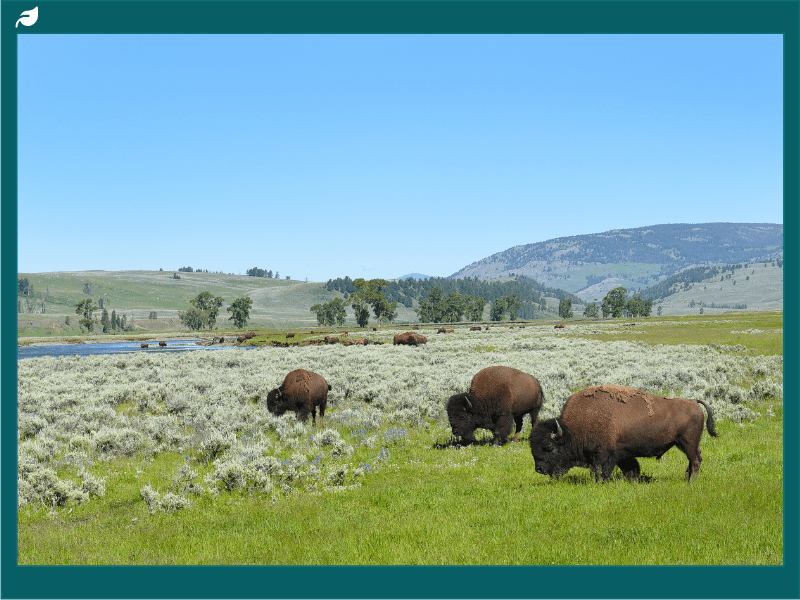
Technology has quietly transformed how this balance gets managed. GPS tracking and detailed data analysis let researchers follow bison movement and habitat use with a level of precision that simply wasn’t possible a generation ago. That data helps predict, and hopefully prevent, conflicts between bison and people near the park’s edges. It’s also guiding the design of migration corridors, safe pathways connecting Yellowstone bison to habitat outside the park, including toward Fort Peck.
Fort Peck itself stands as proof of what tribal-led reintroduction can achieve when it’s given real authority and real resources, and its success has become a reference point for other reservations considering similar programs of their own.
Genetics remain front and center too. The Yellowstone herd has held onto its genetic integrity, free of the cattle-gene contamination that affects many other bison populations across North America. That distinction matters enormously, because a genetically pure plains bison population is now rarer than most people realize. Selective breeding programs and careful reintroductions from other reserves help keep that gene pool wide and healthy, which matters enormously for disease resistance.
Brucellosis is the name that comes up again and again, a disease that devastated bison numbers in the past and still demands constant vigilance. Health monitoring systems and vaccination research are ongoing, all aimed at controlling the disease without domesticating the animal in the process, since the entire point of bison conservation is keeping these animals wild, not turning them into another form of managed cattle grazing behind a fence line. Notably, a 2024 peer-reviewed study published in Frontiers in Veterinary Science found that wild elk, not wild bison, were responsible for 27 documented brucellosis transmissions to livestock over the past 20 years, while wild bison accounted for zero transmissions, a finding that challenges long-held assumptions about which species poses the greater risk to neighboring cattle operations.
None of this works without collaboration. The Interagency Bison Management Plan brings together federal, state and tribal partners under one coordinated framework, blending traditional ecological knowledge with modern research. Tribal partnerships, especially at Fort Peck, show how deeply that mix can pay off. In 2021 and again in 2022, transfers of Yellowstone bison to tribal lands, including Fort Peck Indian Reservation, expanded the reach of this genetically pure population well beyond park boundaries, giving other tribal nations across the northern United States a real shot at rebuilding their own herds with animals descended directly from Yellowstone stock.
In short: innovative bison conservation isn’t one clever trick, it’s technology, genetics and cooperation pulling in the same direction, with Yellowstone as the proving ground for what’s possible elsewhere in North America, and increasingly, a model other countries study when planning their own large-herbivore comebacks.
The Challenges Facing Bison Conservation Initiatives
Even the best-run herd on Earth isn’t immune to trouble, and Yellowstone’s bison face real pressure despite decades of hard-won progress. Habitat loss tops the list. As development creeps closer to the park, bison lose room to roam and forage, and building corridors to link isolated populations runs straight into a wall of legal and logistical complications, especially where private land meets government land, and where state boundaries complicate what would otherwise be a straightforward wildlife management decision made on ecology alone.
Disease is the next big headache. Brucellosis affects both cattle and bison, and it’s a persistent source of tension between park authorities and neighboring ranchers who worry about transmission to their herds. That fear shapes land-use debates and slows the expansion of bison range, particularly in Montana, where cattle operations sit close enough to the park boundary that any bison movement outward becomes a flashpoint. Managing it properly demands careful monitoring, vaccination research and containment strategies, all without turning wild bison into something closer to livestock, which would defeat the entire purpose of the restoration effort in the first place and undo the very wildness the whole project exists to protect.
Genetic purity cuts both ways too. It’s a strength for Yellowstone, since this is one of the few populations never diluted by cattle genes, but it’s also a vulnerability, because expanding genetically pure bison into new regions takes careful planning to avoid diminishing that same integrity. Get it wrong, and you undo decades of careful bison conservation work in a single misstep, which is exactly why every relocation, whether to Fort Peck or another reserve, goes through rigorous health and genetic screening first, no exceptions, no shortcuts.
Then there’s the plain fact that bison and people don’t always get along. As herds migrate across park boundaries, they run into farmland, roads and communities that don’t always welcome them, and in some regions local policy still leans against protecting them. Education helps here. So does thoughtful management planning that makes coexistence possible instead of adversarial, giving ranchers, tourists and tribal communities a shared framework instead of competing agendas that pull the whole system apart.
Climate change adds an unpredictable wrinkle on top of all this. Shifting weather patterns could alter the grasslands and water sources bison depend on, meaning management strategies have to anticipate change rather than just react to it. Warmer winters could change migration timing. Drier summers could shrink the forage base that supports a herd this size.
None of these challenges get solved by one agency working alone. It takes government bodies, conservationists, scientists and indigenous communities pulling together, which is precisely the model Yellowstone and Fort Peck have been building. The road ahead is complicated, but it’s not without hope, and the progress made since the near-extinction era gives every reason to think the hard problems ahead are solvable too, provided the coalition holds.
Collaborative Bison Management Strategies
Protecting bison at Yellowstone National Park takes more than good intentions, it takes an entire coalition. Federal agencies, state bodies, tribal nations and conservation groups all have a stake in keeping bison populations genetically sound and ecologically balanced. The largest public bison herd in the country didn’t get that way by accident, it got there through partnership. And tackling shared problems like habitat loss and disease requires exactly that kind of cross-agency cooperation, the kind that’s become the benchmark for bison conservation both inside and outside the park, and increasingly outside the United States entirely, as other countries look to Yellowstone’s model for their own large-herbivore restoration projects.
Insights into Interagency Bison Coordination
The Interagency Bison Management Plan, or IBMP, is where a lot of this cooperation actually happens on paper and in practice. It knits together federal, state and tribal efforts into one working framework aimed at keeping the Yellowstone herd healthy and sustainable long term. Born out of necessity, the plan tackles habitat restoration and works to minimize the friction between bison and the humans living near park boundaries, particularly in the Montana communities that border the park’s northern and western edges, communities that have their own long histories with these animals and their own stakes in how the plan plays out.
Coordination starts with the basics: understanding what Yellowstone bison actually need from a landscape this complex. That means securing enough grazing land, plus migration corridors that prevent overgrazing from tipping the ecosystem out of balance. It also means working directly with landowners whose property borders the park, since bison don’t recognize property lines and often shouldn’t have to. Add in rancher concerns about brucellosis spreading to cattle, and you’ve got a genuinely difficult diplomatic and scientific puzzle, one that depends on trust between agencies to make any real progress on vaccination research and disease containment, trust that took years of small wins to build and could still unravel without steady maintenance.
Culture matters just as much as logistics here. Tribes managing the Fort Peck Indian Reservation bring generations of connection to these animals, and that history directly informs how management decisions get made. This is a partnership built on mutual respect, not just a checklist of ecological goals, and it aims to rebuild cultural ties that were nearly severed when bison numbers collapsed a century ago. The tribal role in this partnership isn’t ceremonial.
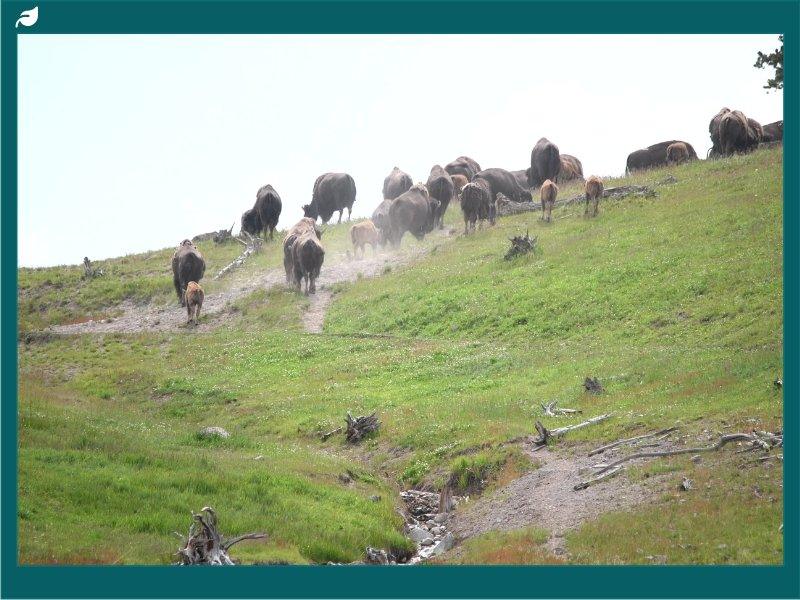
Tribal biologists, land managers and elders sit at the table alongside federal scientists, shaping decisions about herd size, relocation and land use, and their input carries the same weight as any federal agency’s.
Technology plays its part too. Advanced tracking systems feed researchers data on movement and habitat preference, which shapes how migration corridors get planned between Yellowstone and places like Fort Peck, strengthening both genetic diversity and ecological connectivity along the way. And every year, as the herd grows, coordination gets more important, not less. Strategies keep evolving alongside new research, shifting policy and community input, all while planning for looming threats like climate change that could reshape forage availability across the Northern states in the years ahead.
In 2021, expanded transfer agreements moved more animals from Yellowstone toward tribal lands than in previous years, and by 2022 those numbers had grown further still, a sign that interagency trust, once slow to build, was finally translating into faster, larger-scale action that benefits herds well beyond the park boundary.
The takeaway: interagency coordination isn’t a bureaucratic afterthought, it’s the actual engine behind Yellowstone’s conservation success. Pooling resources, knowledge and different ways of understanding the land is what lets the largest public bison herd keep thriving, and it’s a model worth watching for wildlife conservation efforts anywhere, whether the animal in question is a bison, a wolf or something else entirely that once teetered on the edge the way the American bison did, and needed exactly this kind of patient, multi-party rescue to come back.
Visit Yellowstone: Exploring Bison Habitats
There’s something almost primal about watching a wild bison herd cross a valley under its own power, no fences, no feeding schedule. Yellowstone National Park makes that possible on a scale unmatched anywhere else in the United States. Its varied terrain and geothermal features support the country’s largest bison herds, making the park an obvious draw for wildlife watchers and photographers alike. Visitors get a front-row seat to how bison interact with their environment, and with a bit of preparation, you can watch it all unfold safely, without turning a memorable encounter into a dangerous one.
Tips for Safely Observing Bison in Yellowstone
Let’s be clear about something first: bison look slow and lumbering, and that’s a trap. They can hit speeds up to 35 mph, and they will close distance fast if they feel cornered or threatened. So rule one, and it’s not negotiable, is distance. Park regulations require staying at least 25 yards away.
Bring binoculars or a zoom lens instead of your legs, and trust the rule even when the bison look calm, because their mood can flip in seconds, with almost no warning telegraphed beforehand.
For the best odds of a real sighting, head to Lamar Valley or Hayden Valley, both famous for dense wildlife activity and sweeping views. These valleys host multiple bison herds, and you’ll often catch grazing patterns, calves shadowing their mothers, and the occasional bull-on-bull sparring match during breeding season. Early mornings and late afternoons tend to bring out more active behavior, since bison are typically calmer during the heat of midday, resting in shade or wallowing in dust to shake off flies and cool their thick, dark coats.
Stick to marked trails and boardwalks, always. Yellowstone’s geothermal features are stunning and genuinely dangerous, with scalding water and unstable ground hiding just off the path. And keep an eye out on the roads: bison crossing traffic is common enough that it’s earned its own nickname, the “bison jam.” Patience beats honking every single time, and honestly, sitting still while a herd crosses in front of your car is one of the more memorable parts of any Yellowstone trip, the kind of story you end up telling long after the rest of the vacation photos have faded from memory.
If you want real depth, book a ranger-led tour. These guides explain the ecological role bison play and how decades of bison management shaped the herds you’re seeing today, turning a passive sighting into something closer to genuine understanding. Park apps and websites also offer real-time updates on bison locations, which helps you plan smarter and avoid crowding the animals or the trails, and it means less time driving around hoping for a lucky spot and more time actually watching the herd do what herds do.
One last thing: Yellowstone’s weather turns on a dime, thanks to its elevation and rugged topography. Layers, water, a charged phone. Basic stuff, but it makes the difference between a great day and a miserable one. Respecting the animals and the terrain doesn’t just protect you, it protects the long-term health of the park’s bison herds too, keeping this experience available for whoever visits next, whether that’s next season or the next generation of travelers who’ve only ever seen bison in photographs.
Planning Your Bison Wildlife Itinerary
Good bison watching isn’t about luck, it’s about timing. Yellowstone spans parts of Montana, Wyoming and Idaho, and bison behavior shifts dramatically with the seasons, so your itinerary should shift with it too, matching your visit to whichever season interests you most and whichever kind of encounter you’re actually hoping for.
Spring means calving season, and it’s magic. Newborn calves, easy to spot thanks to their reddish coats, take their first wobbly steps in places like Lamar Valley, sometimes called the “Serengeti of North America” for its wildlife density. It’s a fantastic time for families and photographers alike, but adult bison get notably more protective around their young, so keep that safe distance even more strictly than usual, since a mother bison defending a calf is exactly the kind of encounter you don’t want to test, no matter how good the photo might look.
Summer flips the script entirely: it’s rut season, and bulls square off in head-butting contests for mating rights. It’s dramatic to watch and genuinely a little intimidating, which is exactly why a guided tour helps here, giving you context and a safe vantage point at the same time, along with a better chance of spotting the action before the crowds do and understanding what you’re actually watching unfold.
Autumn brings fall color and a quieter park overall, as herds begin moving toward lower elevations ahead of winter. You’ll see bison following traditional migration paths through the valleys, and with fewer crowds around, it’s a more contemplative kind of wildlife watching, the kind where you can actually hear the herd grazing instead of just seeing it from a distance, the low grunts and shuffling grass carrying farther in the cooler autumn air.
Winter is the toughest season to visit but arguably the most striking. Watching bison use Yellowstone’s geothermal areas to survive brutal cold, steam rising against a snow-white backdrop, is unforgettable. It takes planning, cold-weather gear and often a guided snow coach tour to navigate safely, but the payoff is real, and there’s nothing quite like watching a herd push snow aside with their massive heads just to reach the grass underneath, huffing clouds of breath into air cold enough to make your camera lens fog over.
Wherever you land on the calendar, build in time at the park’s visitor centers, particularly the one at the North Entrance in Montana. These centers lay out the full arc of bison management history, including the role tribal nations have played and continue to play in shaping conservation strategy. That context turns a quick sighting into something you actually understand, and it deepens your appreciation for just how far this species has come. Plan around the seasons, learn the history, and your trip to see Yellowstone’s bison becomes something closer to participation in their story than just observation of it, a small part of a recovery that’s been over a century in the making, and one that’s nowhere near finished, with every winter and every calving season adding a new chapter to a story that started with only a few dozen survivors.