A recent geological and biological discovery has revealed a substantial collection of rare giant eggs within the volcanic regions of Vancouver Island. This finding extends beyond scientific curiosity, providing new insights into previously undocumented natural phenomena with potential implications for biodiversity and conservation.
Researchers are actively investigating the origins and characteristics of these eggs. This discovery represents a significant advancement in ecological research and is expected to enhance understanding of the geophysical and biological factors influencing planetary ecosystems.
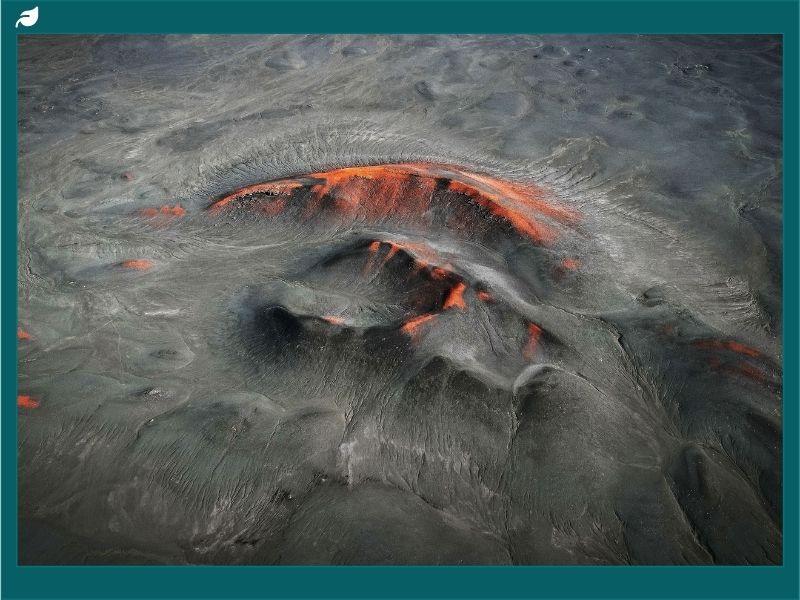
Uncovering the Giant Eggs Volcano
The identification of an underwater volcano containing millions of giant eggs near Vancouver Island has attracted significant attention from the marine science community. This site serves as a habitat for the Pacific white skate, offering valuable information about its reproductive behavior.
Studying this environment enhances understanding of deep-sea ecosystems, which are often characterized by complexity and limited accessibility. The findings provide important insights into the life cycles of marine organisms and the interactions between biological and geological processes.
Continued examination of this ecosystem is likely to facilitate further deep-sea research and scientific advancement.
Discovering the Habitat of the Pacific White Skate
The recent discovery of volcanic formations teeming with giant eggs in the depths of the Pacific coast offers a unique glimpse into the habitat of the Pacific white skate. These often elusive creatures have long intrigued marine biologists, but the revelation of their nesting grounds around underwater volcanoes marks a significant scientific breakthrough.
As the researchers observed, the egg-laying sites are carefully chosen along the dark, ocean floors where the eggs can benefit from geothermal warmth. This natural adaptation highlights the remarkable survival strategies developed in response to the harsh conditions of the deep sea.
The Pacific white skate utilizes the protective basins created by the volcanic landscape to lay their eggs, shielding them from potential predators and providing a stable environment for maturation. As science delves deeper into understanding the geological and biological relevance of these environments, the relationship between the skates and their chosen volcanic habitat becomes increasingly apparent.
The eggs, large and robust, are a testament to the evolutionary adaptation that has allowed these skates to thrive in such a challenging milieu. The geothermal activity associated with underwater volcanoes discovered in the area is believed to accelerate the incubation period, offering a unique ecological advantage.
Moreover, the nutritional richness of these regions supports not only the growing embryos but also a diverse array of marine life, contributing to a vibrant, interconnected ecosystem. This discovery aligns with an emerging understanding of how geological phenomena influence biological processes and could redefine how scientists approach the study of deep-sea creatures.
The giant eggs and the entire habitat of the Pacific white skate illuminate the intricate connections that sustain life beneath the waves, prompting new inquiries into evolutionary biology and ecosystem dynamics. The findings provide a stunning example of how life inhabits and adapts to environments shaped by intense volcanic activity, casting new light on the complexities of marine ecosystems and the extraordinary secrets they harbor.
Rare Glimpse into Deep-Sea Parenting
Recent findings off the Pacific coast have provided new insights into the reproductive strategies of the Pacific white skate, identifying a natural incubator formed by volcanic activity. The presence of millions of skate eggs at this site enables researchers to study the environmental conditions that support the species’ survival.
The investigation has revealed details about the development of skate eggs and the broader biological interactions within the ecosystem. These discoveries enhance understanding of the adaptability and complexity of deep-sea environments.
The Significance of Skate Eggs
The identification of large numbers of skate eggs at the Vancouver Island underwater volcano highlights a significant aspect of marine biology and the study of deep-sea ecosystems. These eggs, sometimes called golden eggs due to their appearance, provide important information about the reproductive strategies of deep-sea species.
The Pacific white skate lays eggs that are adapted to cold, high-pressure environments and are protected by a durable casing. The proximity of these eggs to volcanic activity suggests an evolutionary relationship between marine organisms and geological features.
Underwater volcanoes create environments where geothermal heat accelerates egg development, offering a stable setting for embryonic growth. The concentration of skate eggs in these areas indicates an adaptive strategy to utilize environmental conditions for reproductive success.
Ongoing research into these habitats is expected to improve understanding of the interactions between geological formations and marine life, and to inform future studies on the resilience and adaptability of deep-sea species. The environmental features of volcanic areas significantly impact skate eggs and other marine life:
- The volcanic heat benefits skate eggs by significantly reducing the typical incubation period.
- Geothermal warmth creates optimal temperature conditions, promoting healthier embryonic development.
- Volcanic habitats offer protection from predators, increasing egg survival rates.
- The mineral-rich environment supports the growth of microorganisms, enhancing the food supply for hatchlings.
- Nearby volcanic activity encourages biodiversity, attracting various species to the area.
- Volcanic eruptions periodically release nutrients, enriching the local marine ecology.
- These sites act as natural research laboratories for scientists studying evolutionary biology.
These factors highlight the interconnectedness of geology and marine life.
Connections Between the Eggs and Volcanic Heat
The recent discovery of millions of eggs nestled within an underwater volcano near Vancouver Island has opened eyes to the complex interplay between volcanic heat and marine life. This natural incubator, created by geothermal activity, provides essential warmth to the eggs, likely enhancing their chances of survival in the frigid depths.
Scientists are keen to understand how this volcanic environment, with its unique thermal attributes, influences the incubation of these so-called golden eggs. Exploring these connections offers a window into the adaptive behaviors of species thriving under challenging conditions and might redefine how we perceive marine ecosystems influenced by geological phenomena.
How Volcanic Heat Affects Incubation
The Pacific white skate deposits its eggs near the geothermal heat of underwater volcanoes, an adaptive strategy that enhances offspring survival in deep-sea environments. The volcanic heat serves as a natural incubator, providing a stable thermal environment that accelerates embryonic development.
This adaptation demonstrates the significant influence of geothermal activity on biological processes. Contrary to the perception of volcanic environments as inhospitable, these areas can support reproductive success and increased biodiversity.
The geothermal conditions facilitate efficient embryonic development and contribute to a complex ecological network. Studying these dynamics may yield new insights into the evolutionary adaptations of marine species and the broader impact of geological phenomena on aquatic ecosystems.
| Key Element | Role of Volcanic Heat | Biological Impact | Ecological Significance |
| Hydrothermal Vents | Volcanic heat creates hydrothermal vents that release minerals and heat into the ocean. | Presents unique habitats that support chemosynthetic organisms and complex microbial communities. | Forms the basis of unique ecosystems that sustain high biodiversity and specialized species. |
| Temperature Gradients | Creates varying temperature zones crucial for different marine species. | Facilitates the adaptation and survival of thermophilic species. | Maintains biodiversity by supporting species with different thermal preferences. |
| Mineral Deposits | Enriches surrounding waters with minerals essential for biological processes. | Boosts biological productivity and supports diverse marine life. | Enhances nutrient availability, promoting a healthy food web. |
| Island Formation | Volcanic activity leads to the creation of new landmasses. | Allows colonization by marine and terrestrial species, fostering evolution. | Increases habitat complexity, supporting ecological niches and biodiversity. |
The following table outlines the influence of volcanic heat on marine ecosystems, emphasizing its role in fostering adaptation, evolutionary processes, and biodiversity.

Implications for Future Ocean Exploration
The discovery of millions of eggs within a volcano off Vancouver Island represents a significant development in ocean exploration. This environment functions as a natural incubator and provides valuable information about the interactions between geological and biological processes. The findings indicate that the ocean floor is a dynamic system with considerable potential for further study. Ongoing research in these areas may lead to a revised understanding of marine ecosystems and the mechanisms by which life adapts to extreme conditions.
New Insights into the Dynamic Sea Ecosystem
The recent discovery of skate eggs in volcanic regions off the Pacific coast is shedding new insights into the dynamic sea ecosystem that transforms our comprehension of these deep-sea environments through an intricate lens. It’s revealing an ecosystem so robust that it thrives where life seems improbable, given the harsh conditions known in these dark depths.
Researchers discovered that within these challenging terrains, the dynamic sea is anything but lifeless. Instead, it hosts a vibrant ecosystem supported by geothermal heat.
This environment demonstrates how ocean exploration can unearth new insights into the resilience and adaptability of marine life. Deep within the vast Pacific, researchers discovered that geothermal heat from underwater volcanoes plays a crucial role in fostering life.
It acts as an invisible hand in the nurturing of skate eggs by providing essential warmth, a surprising force of nature that propels development in the icy waters of the depths. This kind of ecosystem demonstrates the impressive adaptability of marine species, actively utilizing the earth’s geothermal gifts to ensure survival.
Further exploration of these volcanic areas may reveal a wider array of remarkable biological processes that could transform our understanding of life’s evolution in the deep sea. Ocean exploration is now positioned on the brink of numerous phenomenological discoveries.
By studying these unique volcanic habitats, scientists gain new insights into how interconnected and dynamic life systems operate under the ocean’s surface. The knowledge garnered from these environments is expected to influence ecological conservation strategies significantly and aid in the preservation of unique species adapted to these specific niches.
Understanding how marine ecosystems thrive in seemingly hostile environments will be crucial in anticipating the impacts of changes in our oceans due to climatic shifts, potentially informing mitigation strategies aimed at preserving the intricate balance of life on Earth. As exploration continues, the emerging lessons reflect a common theme: the sea, while mysterious and layered in complexity, is not an isolated entity but a reflection of the earth’s remarkable resilience and evolutionary finesse.
This discovery on the Pacific floor not only provides a unique glimpse into a thriving volcanic community but also underscores the ocean’s potential as a frontier of unparalleled scientific intrigue and ecological dynamism.
The discovery on Vancouver Island has important implications for geology and biology, emphasizing the relationship between geological processes and biological systems. The presence of these eggs enables cross-disciplinary research into adaptive strategies of marine species and the effects of volcanic activity on habitat formation.
Scientists aim to use these findings to improve understanding of historical climate patterns and the influence of volcanism on biodiversity. This research may also inform the development of sustainable conservation strategies in response to global environmental changes.