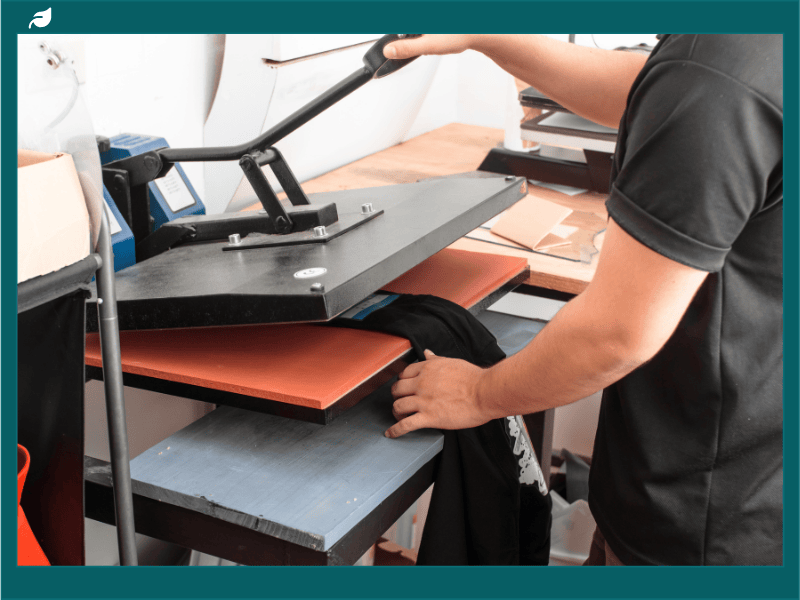
Launching a custom T-shirt printing business can be an appealing opportunity, particularly as demand grows for personalized apparel and small-batch merchandise. However, early decisions often determine whether the business becomes resilient and responsible—or costly and inefficient. Beyond profitability, new operators are increasingly expected to consider waste, resource use, and long-term impact.
This guide outlines common mistakes to avoid when starting a custom T-shirt printing business, with a focus on building a financially stable and environmentally responsible operation.
Skipping Market Research and Demand Validation
One of the most common early mistakes is assuming demand without evidence. Producing apparel without understanding who will buy it—and why—often leads to excess inventory, wasted materials, and unnecessary energy use.
Clear market research helps define:
- who the customers are,
- what volumes they realistically need,
- how often they reorder, and
- what price points they accept.
For example, corporate apparel clients typically value consistency and durability, while direct-to-consumer buyers may prioritize limited runs or unique designs. Understanding these differences allows businesses to produce closer to actual demand, reducing unsold stock and textile waste.
Competitor analysis also plays a role. Reviewing how other printers position themselves can help identify underserved niches instead of contributing to oversaturated markets.
Choosing a Printing Method Without Considering Efficiency
Selecting a printing method is not just a technical decision—it directly affects costs, turnaround time, and environmental impact.
- Screen printing is efficient for large, simple runs but requires setup materials and can generate excess ink waste for short orders.
- Direct-to-Garment (DTG) printing supports detailed designs and small batches but may be slower and more resource-intensive at scale.
- Direct-to-Film (DTF) printing is increasingly used for its flexibility across fabrics and suitability for short runs, helping businesses avoid overproduction.
Equipment such as the Epson Surecolor DTF printer is one example of technology used in DTF workflows. Regardless of brand, businesses should evaluate printers based on reliability, material efficiency, and suitability for expected order sizes. Choosing a method that aligns with real demand reduces reprints, material waste, and energy use.
Underestimating Startup and Ongoing Costs
Many new businesses focus on initial equipment purchases while underestimating recurring expenses. This often leads to cash-flow pressure and reactive decision-making.
Beyond printers and presses, costs include:
- consumables (inks, films, blanks),
- maintenance and replacement parts,
- utilities and energy usage,
- packaging and shipping,
- software, platforms, and payment processing.
From a sustainability perspective, poor cost planning can also lead to rushed purchasing decisions that favor cheap, disposable inputs over durable, responsible alternatives. A realistic financial plan supports better sourcing, steadier operations, and less waste.
Overlooking Legal and Intellectual Property Responsibilities
Skipping legal setup can create long-term risk. Proper registration, licensing, and tax compliance should be completed before selling products.
Equally important is respecting intellectual property. Using unlicensed designs or copyrighted material can result in legal disputes and forced disposal of printed stock. Responsible operators ensure all artwork is original, licensed, or customer-provided with documented rights—preventing both legal and material waste.
Treating Marketing as an Afterthought
A common misconception is that good products will sell themselves. In reality, inconsistent marketing often leads to unpredictable demand, which in turn drives inefficient production.
A basic but reliable marketing foundation includes:
- a clear website or storefront with transparent product details,
- consistent communication through relevant social channels,
- discoverability through search optimization.
Marketing clarity helps stabilize order flow, allowing businesses to plan production more accurately and avoid last-minute overprinting or unused inventory.
Offering Too Many Products Too Soon
Trying to launch with a broad product range can dilute focus and complicate operations. Each additional product or fabric type introduces new inventory requirements, testing needs, and potential waste.
Starting with a limited range allows businesses to:
- refine quality control,
- standardize workflows,
- minimize unsold stock.
Expansion can follow once demand patterns and production efficiency are well understood.
Weak Customer Service and Order Tracking
Poor communication often leads to reprints, refunds, and rushed corrections—all of which increase material and energy use.
Clear order tracking systems and timely customer updates help reduce errors and build trust. When customers know what to expect, fewer last-minute changes occur, and production remains more predictable.
Skipping Product Testing Before Launch
Launching without testing increases the risk of durability issues, color inaccuracies, or fabric incompatibility. Each failed product represents wasted materials and time.
Test prints help identify issues early and allow adjustments before full production begins. Feedback from small test groups can prevent larger, more costly mistakes.
Failing to Plan for Scalable, Responsible Growth
Some businesses struggle when demand increases because systems were built only for small volumes. Planning for growth does not mean over-investing early—it means choosing equipment, suppliers, and workflows that can scale without excessive waste.
Automation in order management and careful supplier relationships help businesses grow while maintaining consistency and responsible resource use.
Conclusion
Starting a custom T-shirt printing business involves more than design and equipment selection. Early mistakes—such as poor market research, mismatched printing methods, or inadequate planning—can lead to financial strain and unnecessary waste.
By focusing on realistic demand, efficient production methods, cost transparency, and responsible operations, new businesses can build a foundation that supports both profitability and sustainability. Avoiding these common mistakes helps ensure that growth is steady, efficient, and aligned with long-term business and environmental goals.