Self-storage has grown into a global industry serving homeowners, businesses, and digital nomads who need flexible, secure places to keep their belongings. According to the 2024 Self-Storage Association’s global report, the industry is valued at over USD 60 billion worldwide, with particularly strong growth in North America, Europe, and Asia-Pacific.

Yet while the sector provides convenience and security, it raises important questions about sustainability: How do these facilities impact land use, energy consumption, and urban development? And more importantly—can storage be made greener without sacrificing affordability? This piece examines both the economic and environmental sides of self-storage, beginning with a look at global pricing trends before turning to sustainability innovations.
Prices Around The World
The self-storage market is highly localized, with costs varying by geography, demand, and facility standards. In the United States, monthly rental rates average between USD 100 and 150 for a standard 10×10 foot unit in urban centers, while smaller towns can offer the same space for less than USD 80. In the United Kingdom, prices are typically higher due to land constraints, averaging £23.94 per square foot annually according to the Self Storage Association UK’s 2024 survey. Across continental Europe, storage is still developing, with Germany and France reporting average monthly rates of €25–35 per square meter.
Turning to the Asia-Pacific region, Australia’s major cities such as Sydney and Melbourne often see higher averages, with storage units costing AUD 250–300 per month for mid-sized spaces, largely due to real estate pressures. New Zealand provides a case study in how local economics shape affordability.
Storage prices in Auckland are reported to be among the highest in the country, reflecting both limited available land and strong population growth in the metro area. Units can range from NZD 150 for small lockers up to NZD 400 for larger, climate-controlled options, underscoring the tension between affordability and sustainability when energy-intensive facilities are introduced. These variations show that while global averages provide a benchmark, pricing is ultimately dictated by local supply, demand, and regulatory conditions.
Energy Use And Environmental Footprint
Once we move beyond prices, sustainability concerns become clearer. Modern storage facilities often include climate control, 24-hour lighting, and advanced security systems, all of which consume significant energy. A 2023 industry review by Green Building Council Australia found that traditional storage warehouses consume about 40% more electricity per square meter compared to standard logistics facilities, largely due to continuous HVAC systems. This energy footprint contributes directly to carbon emissions unless facilities adopt renewable energy sources.
Water use is another factor. Fire suppression systems, landscaping, and cleaning processes require substantial water, particularly in larger complexes. In areas facing drought, such as parts of California or New South Wales, the environmental impact of storage facilities is scrutinized more closely by regulators and communities.

Sustainable Facility Design
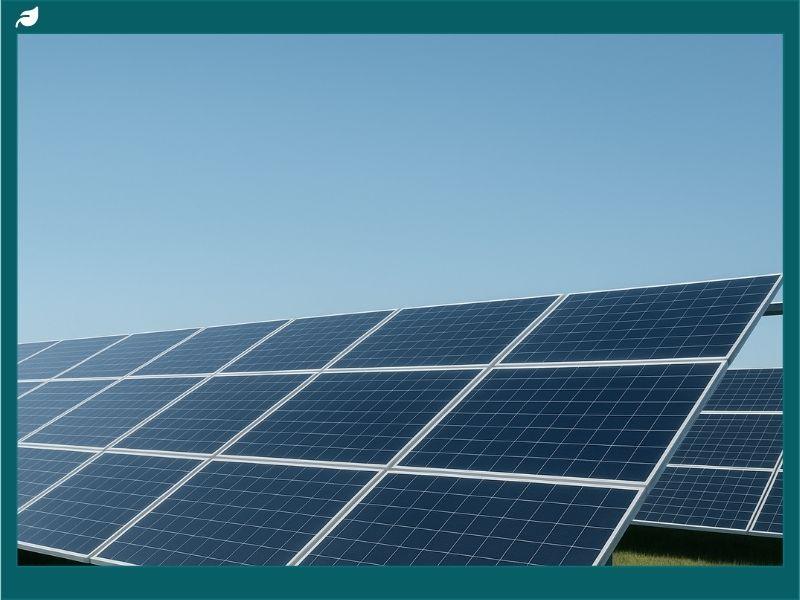
Despite these challenges, many operators are beginning to adopt greener design principles. New construction increasingly incorporates solar panels, motion-activated LED lighting, and natural ventilation systems.
For example, in the United States, LEED-certified storage buildings are becoming more common, with projects in Texas and California setting new standards for eco-friendly facility design. These buildings reduce electricity use by up to 60% compared to older models, while also offering healthier air quality and better thermal insulation.
Materials also play a role. Using recycled steel, low-VOC paints, and modular building components reduces the embodied carbon of new projects. Some storage providers in Scandinavia and Germany now market their facilities as “green storage,” emphasizing both reduced operating costs and environmental credentials. This demonstrates that sustainability can become a selling point rather than just a compliance requirement.
Urban Development And Land Use
Sustainability also relates to how storage interacts with urban development. In cities like Los Angeles, London, and Sydney, there is growing debate about whether self-storage facilities should occupy prime land that might otherwise be used for housing or mixed-use developments. Critics argue that dedicating large tracts of land to storage exacerbates housing shortages and encourages consumer over-accumulation. Proponents counter that storage supports urban living by allowing residents in smaller apartments to manage seasonal or long-term belongings without moving to larger, less efficient housing. For residents managing limited household space, self storage units chestermere can offer a practical way to store seasonal items, furniture, or business inventory without putting added pressure on everyday living areas.
Auckland illustrates this dynamic. With limited central land availability, storage facilities are often pushed to the fringes, increasing transport distances for customers. This adds emissions from vehicles and undermines sustainability goals unless facilities are integrated into existing urban transport corridors. The future of sustainable storage may therefore require collaboration with urban planners to ensure efficient land use and reduced transportation impacts.
Technology And Digital Innovation
Technology is emerging as a key enabler of greener storage. Smart monitoring systems can track energy consumption in real time, allowing operators to optimize HVAC and lighting use. Automated booking and digital access reduce the need for on-site staffing and paper contracts. Some companies are experimenting with app-based platforms that let customers share underutilized space in existing facilities, much like Airbnb for storage. This increases utilization rates and reduces the need for constant new construction.
Blockchain-based inventory systems are another innovation, helping businesses and individuals better track stored goods and avoid unnecessary duplicate purchases or shipments. While still in early stages, these technologies illustrate how digitization can align storage services with both cost savings and sustainability.
Looking Ahead: Can Storage Be Truly Green?
The question remains whether self-storage can ever be fully sustainable. On one hand, the industry supports urban living, small businesses, and flexible lifestyles, which can have positive environmental outcomes when compared to alternatives such as upsizing homes or overbuilding warehouses. On the other hand, energy use, land allocation, and consumption patterns make it difficult to frame storage as inherently green.
The path forward lies in innovation and accountability. Operators that integrate renewable energy, efficient design, and transparent sustainability practices will not only reduce their environmental footprint but also differentiate themselves in a competitive market. Governments may also play a role by incentivizing green construction and ensuring that storage facilities align with broader urban development goals.

Wrapping Up
Self-storage is no longer a niche convenience but a global industry shaping how people live and work. Prices—from Storage prices in Auckland to the United States, Europe, and beyond—reflect both local economics and broader pressures on land and resources. The industry faces sustainability challenges, but solutions exist: renewable energy, smarter facility design, digital innovations, and customer awareness all play a part.