In a rapidly evolving automotive landscape, the electric vehicle revolution has gained an exciting new dimension with Genesis stepping into the arena. As the world witnesses a seismic shift towards sustainable transportation, the battle for dominance intensifies between the innovative Audi Q4 E Tron and the trailblazing Tesla Model Y. This showdown not only highlights the competitive spirit in the EV market but also showcases the strides being made in technology, design, and environmental consciousness. Join us as we delve into the features, strengths, and unique offerings of these groundbreaking electric SUVs poised to redefine the roads of tomorrow.
Performance Comparison: Tesla Model Y vs. Audi Q4 E Tron
The clash between the Tesla Model Y and Audi Q4 E Tron has captured the attention of electric car enthusiasts worldwide. Both models promise exceptional performance and cutting-edge technology. In this section, we’ll delve into acceleration and handling, showcasing how each vehicle handles the road. We’ll also discuss range and efficiency, two critical factors for potential buyers in the electric vehicle market. Each subtopic highlights the unique characteristics that set these two contenders apart in the battle for electric vehicle supremacy.

Acceleration and Handling
The acceleration capabilities of the Tesla Model Y are nothing short of exhilarating, thanks to its dual motor all-wheel drive system. Known for reaching 0-60 mph in just a matter of seconds, the Model Y offers a thrilling ride that appeals to those who crave speed. This performance car doesn’t only shine in a straight line but also offers remarkable agility, making it a joy to maneuver through both city streets and winding roads. The low center of gravity, courtesy of its floor-mounted battery, enhances its stability, allowing drivers to tackle sharp turns with ease.
On the other hand, the Audi Q4 E Tron doesn’t lag far behind. This electric car combines a robust powertrain with Audi’s sophisticated Quattro all-wheel drive technology, promising a confident drive across various terrains. While its acceleration may be slightly less aggressive than the Model Y, the Q4 E Tron focuses more on delivering a balanced driving experience. Its handling is refined, benefiting from precision-engineered suspension systems that absorb road imperfections while maintaining poise.
Moreover, the ride comfort in the Audi Q4 E Tron is noteworthy. It’s designed to deliver a smoother, quieter ride—a trait that reflects Audi’s commitment to luxury and comfort. The two cars obviously cater to slightly different audiences: the Tesla Model Y for those who want a sporty drive with instant acceleration and the Audi Q4 E Tron for drivers who prioritize a composed yet responsive journey.
Both vehicles come with customizable driving modes, allowing drivers to tailor the acceleration and handling characteristics according to their preferences. The choosable settings in the Tesla Model Y’s performance, for example, offer a range of experiences from energy-efficient to high-performance thrills. Similarly, the Audi Q4 E Tron’s driving modes adapt throttle response and steering feel, enhancing its versatility across environments.
Overall, the Model Y stands out as the winner in outright speed and driver enthusiasm, while the Audi Q4 E Tron excels in refined handling and comfort. Choosing between these cars depends on individual priorities—whether it’s the electrifying quickness and spirited handling of the Tesla or the balanced and luxurious ride of the Audi.
Range and Efficiency
Range and efficiency are pivotal when evaluating the Tesla Model Y and Audi Q4 E Tron. Both vehicles aim to maximize miles per charge, a critical aspect for consumers migrating from fuel-powered cars. The Tesla Model Y, with its advanced battery technology, often edges out the competition. The Model Y offers different configurations with the Long Range variant boasting an impressive range, providing up to 326 miles on a single charge. This capacity gives Tesla a distinct advantage in the electric car arena, attracting those who consider range a priority.
Conversely, the Audi Q4 E Tron, while offering a competitive range, is slightly behind the Tesla Model Y. The Q4 E Tron delivers around 250 miles per charge, which is still a respectable capacity for daily commutes and weekend getaways. Its battery efficiency might not surpass Tesla’s standards, but Audi prioritizes other factors such as charging infrastructure and efficiency in urban settings. Audi’s Europe-wide partnership for fast charging stations aims to diminish range anxiety, thereby enhancing the Q4 E Tron’s appeal.
Both cars effectively utilize regenerative braking to maximize energy efficiency and extend driving range. The Tesla Model Y’s regenerative braking system is especially praised for its responsiveness and energy recovery, assisting in driving longer distances with minimal energy loss. Meanwhile, the Q4 E Tron’s system emphasizes smoother transition and comfort, tailored to a more laid-back driving style without compromising energy recuperation.
Range is not the sole factor for efficiency, though. The aerodynamics, weight distribution, and power system optimization significantly affect how these cars perform over longer hauls. Tesla’s commitment to lightweight materials and optimized aero-dynamics contributes to higher efficiency, while Audi’s strategic focus on comfort and style influences its aerodynamic package and therefore, efficiency.
Choosing between these cars often boils down to driver needs—whether it’d be the unparalleled range and efficiency of the Tesla Model Y or the well-rounded, feature-rich experience of the Audi Q4 E Tron. In a world increasingly conscientious about resources, these distinctions highlight the different paths automakers take in aligning sustainability with user preferences.
Design and Comfort Features in Electric SUVs
The allure of electric SUVs lies not only in their performance but also in their design and comfort features, which significantly impact the driving experience. Focusing on the Tesla Model Y and Audi Q4 E Tron, we examine the intricacies of their design elements. Both models offer a blend of interior aesthetics and cutting-edge technology aimed at enhancing driver comfort. Additionally, exterior styling and aerodynamics are central to their appeal, with each vehicle offering unique features that cater to the preferences of modern consumers who value sustainability and style in their cars.
Interior Aesthetics and Technology
The interior of an electric SUV like the Tesla Model Y or the Audi Q4 E Tron is where design meets functionality, creating a sanctuary for drivers and passengers alike. The Tesla Model Y is renowned for its minimalist interior aesthetics, dominated by a large touchscreen that serves as the nerve center for controlling the vehicle’s numerous features. This 15-inch display in the Model Y replaces traditional instrument clusters, emphasizing the brand’s futuristic vision. The infotainment system includes navigation, media streaming, and controls for climate and car settings, all presented through an intuitive interface that simplifies driver interaction with technology. Tesla’s approach to interior design highlights spaciousness, with ample head room and leg room, promoting comfort for longer journeys.
Contrastingly, the Audi Q4 E Tron opts for a more traditional yet luxurious approach to interior aesthetics. Audi’s commitment to premium craftsmanship is evident in the choice of materials and the precise fit and finish. The cabin features digital cockpit displays complemented by a high-resolution infotainment screen, bringing together aesthetics and technology seamlessly. Audi’s infotainment system integrates with their proprietary MMI touch response, offering a tactile and visually engaging experience. The interior design is further enhanced with customizable ambient lighting, contributing to the car’s sophisticated ambiance. Passenger comfort is prioritized with adjustable seating that includes memory settings, presenting a tailored experience.
Technological innovations play a pivotal role in the driver and passenger experience within both these electric SUVs. The Model Y incorporates over-the-air software updates, allowing for feature enhancements and new functionalities over time, a hallmark of Tesla’s forward-thinking ethos. This ensures that the car remains up-to-date with the latest technological advancements. Conversely, Audi’s virtual cockpit plus, available in the Q4 E Tron, exemplifies their integration of user-friendly technology. It offers 3D maps displayed in high definition, creating an immersive navigational experience that enhances the driving pleasure.
Both the Tesla Model Y and the Audi Q4 E Tron aim to redefine comfort in electric SUVs by blending interior aesthetics with cutting-edge technology. While the Tesla Model Y’s avant-garde design and tech-centric approach appeal to lovers of innovation and simplicity, the Audi Q4 E Tron’s elegant and richly detailed interior caters to those who appreciate timeless luxury with a modern twist. In a world where comfort and technology converge, these models set a high standard for what consumers can expect from the future of electric vehicle interiors.
Exterior Styling and Aerodynamics
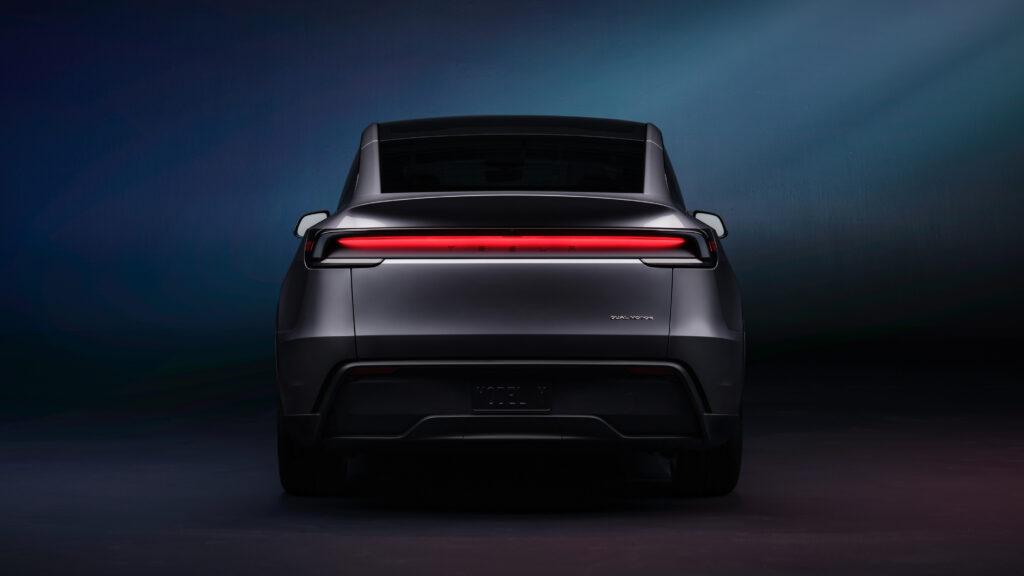
The exterior styling of electric SUVs like the Tesla Model Y and the Audi Q4 E Tron is not just about visual appeal; it plays a crucial role in performance and efficiency, particularly in terms of aerodynamics. The Tesla Model Y exemplifies contemporary design with sleek lines and a clean profile that minimizes drag, greatly contributing to its aerodynamics and energy efficiency. Tesla employs a smooth underbody to optimize airflow, reducing resistance and as a result, extending range. Another defining aspect is the reduction of unnecessary accents typically found in conventional vehicles, which can disrupt airflow. The Model Y’s panoramic glass roof blends seamlessly with the rest of the car, adding to its aerodynamic efficiency while enhancing the visual panorama from the interior.
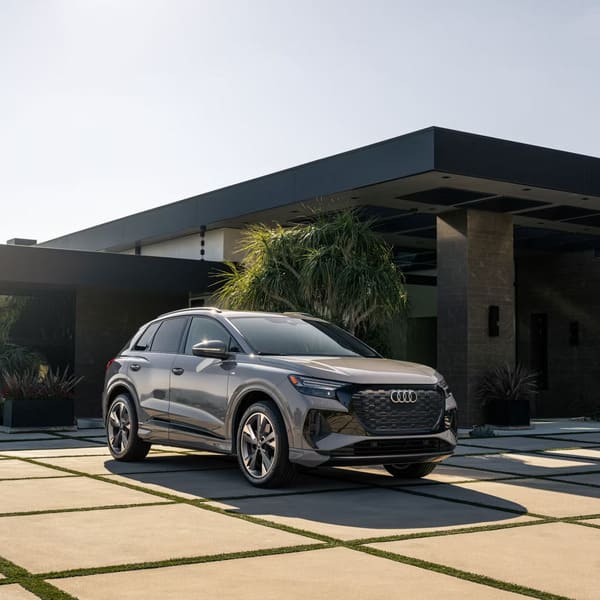
Audi’s approach with the Q4 E Tron is characterized by a distinctive and sculpted design, emblematic of Audi’s heritage but tuned for the modern electric vehicle market. The bold front grille, although unnecessary for engine cooling in an EV, has been reinterpreted to reflect the electric nature while maintaining an iconic appeal. The car features dynamic lines and pronounced wheel arches that not only enhance its aesthetic appeal but also aid in directing airflow effectively around the vehicle. Aerodynamics are further refined through features like active cooling air intake valves, which open and close autonomously to manage airflow.
Beyond aesthetics, practical engineering considerations define how these cars handle wind resistance. The Model Y features a drag coefficient of just 0.23, reflecting Tesla’s commitment to creating a vehicle that flies through the air with minimal resistance. This achievement is crucial for energy conservation and impacts overall efficiency. On the flip side, the Audi Q4 E Tron emphasizes a balance between aerodynamic performance and robust SUV styling, achieving a respectable drag coefficient that aligns with its focus on providing a stable and composed ride under various driving conditions.
Both Tesla and Audi understand that efficient styling doesn’t necessarily mean compromising on looks. Each model reflects its brand’s philosophy—Tesla’s pursuit of maximum efficiency wrapped in simplicity and Audi’s blend of style with definitive engineering precision. The exterior design of these SUVs underscores the vital role of aerodynamics in the broader context of vehicle performance, efficiency, and the ultimate driving experience. Consumers are drawn not just to the aesthetic values but also to how these designs enhance the car’s functionality and sustainability, setting benchmarks in the electric SUV market.
Evaluating Cargo Space and Practicality
When it comes to electric SUVs, practical considerations like cargo space and family-friendly features are crucial for potential buyers. This section will delve into how the Tesla Model Y and Audi Q4 E Tron meet or exceed expectations in these areas. From the versatile storage solutions to the convenience elements embedded within these vehicles, we’ll explore how each car caters to a family’s daily needs while providing the luxury and efficiency expected from electric vehicles.
Family-Friendly Features
In the competitive world of electric SUVs, family-friendly features can make or break a vehicle’s appeal. The Tesla Model Y is designed with families in mind, playing on its innovative edge. Its spacious interior offers a seating capacity for up to seven, making it a versatile choice for families. The minimalist design, dominated by a large central touchscreen, allows easy access to controls, which is an advantage for parents needing quick adjustments on the go. Moreover, Tesla’s emphasis on over-the-air updates ensures the Model Y remains at the forefront of technological advancements, even after purchase, continuously enhancing driver and passenger experiences without needing a dealership visit. Safety, a cornerstone in family vehicles, is well-accounted for in the Model Y. It comes equipped with an array of safety features including adaptive cruise control and collision avoidance systems, underpinning Tesla’s reputation for building some of the safest vehicles on the road.
Switching gears to the Audi Q4 E Tron, this vehicle doesn’t lag behind regarding family convenience. Audi harmonizes luxury with utility, offering a child-friendly ambiance without foregoing the plush experience expected from its brand. The Q4 E Tron provides a spacious cabin with ergonomic seating that maximizes comfort and adjustability, crucial for long family trips. Audi’s attention to detail in creating a quiet, calm environment is worth noting, with sound-dampening features that negate road noise, offering a peaceful journey. Beyond comfort, the Audi Q4 E Tron is equipped with its own suite of safety technologies, highlighting features like lane keep assist and pre-sense city, which are invaluable for urban driving scenarios where families might frequently venture.
Both vehicles showcase infotainment systems tailored to enhance family journeys. While Tesla offers its expansive 15-inch touchscreen, Audi opts for a more traditional setup with a high-resolution display, integrated with virtual cockpit plus, delivering connectivity and entertainment in high definition. Each SUV provides family-centric features like multiple USB charging slots and substantial cup holder counts, responding to the practical needs of everyday family life. This blending of technology, safety, and convenience defines their family-friendly character, underpinning their desirability in the electric car market, where functionality and ease of use reign supreme.
Flexible Storage Options
Flexible storage solutions are pivotal in defining the utility factor of electric SUVs like the Tesla Model Y and Audi Q4 E Tron. When evaluating these models, potential buyers are often concerned with how well the cargo space accommodates varying needs, from weekend getaways to hauling sports equipment. The Model Y excels in this aspect, showcasing a cavernous interior with ample room for customization. It offers two trunk spaces—thanks to the absence of a conventional engine—and foldable second and third-row seats that can create a flat loading floor, perfect for maximizing cargo capacity. This adaptability transforms the Tesla Model Y into a versatile machine, catering to diverse lifestyle demands.
The Audi Q4 E Tron, on its part, offers elegant solutions for storage flexibility. Known for its refinement, Audi implements a practical approach to interior space usage. The Q4 E Tron features a spacious rear compartment and a smart front storage area, giving it an edge in day-to-day versatility. Audi’s implementation of a 40/20/40 split-fold rear seatback configures extra storage room, providing more ways to manage cargo without compromising passenger space. It also offers generous underfloor storage, which becomes handy for stowing smaller valuables out of sight. Another notable feature is the extensive use of premium materials in the boot area, ensuring durability without detracting from the vehicle’s luxury appeal.
Beyond raw capacity, it’s the clever storage utilities and attention to convenience that elevate both these cars above their peers. Tesla integrates plenty of storage niches, including door pockets and a sizable glove box, ensuring every inch of space is utilized efficiently. Likewise, the Q4 E Tron employs modern storage engineering, featuring adjustable interior spaces designed with utility in mind, further enhanced by Audi’s knack for integrating functional solutions with their signature aesthetic panache. While the Model Y might win in sheer cargo space volume, the Audi Q4 E Tron impresses with its methodical approach to storage flexibility, reflecting a philosophy where functionality meets elegance.
Ultimately, the choice between the two might hinge on whether a consumer values the raw, flexible capacity of the Tesla Model Y or the refined, intelligent storage solutions of the Audi Q4 E Tron more. Each appeals to a different set of priorities but excels in creating a user-friendly experience that considers the diverse needs of modern electric SUV users. Whether for families or for adventure-centric individuals, both vehicles deliver exceptional solutions, underscoring their practicality in the rapidly evolving electric car landscape.
Genesis Electric Models: Future in the SUV Market
The automotive market’s shift towards sustainable solutions has positioned Genesis to potentially redefine the future of electric SUVs. With innovation at its core, Genesis is challenging the boundaries of what’s possible in the industry. By integrating advanced technology and sustainable practices, Genesis electric models aim to carve a niche in a rapidly growing market. This section will explore how Genesis leverages innovation and technological advancements to set new standards, promising a competitive edge alongside established contenders like Audi’s Q4 E Tron and Tesla Model Y.
Innovation and Technological Advancements
Genesis has embraced a forward-thinking philosophy, marked by significant innovation and technological advancements. Their commitment to electric vehicles (EVs) is evident in the sophistication of their design and performance. This innovation isn’t just about creating a vehicle that’s electric; it’s about conceptualizing a new generation of cars that seamlessly integrate into the digital and sustainable lifestyle of modern consumers. The pursuit of efficiency is mirrored in their cutting-edge technology, such as ultra-fast charging systems that minimize downtime, thereby enhancing the driving experience.
Arguably one of the most striking aspects of Genesis electric SUVs is their focus on user-centric technology. Advanced driver-assistance systems (ADAS) and smart connectivity features ensure that drivers are not just navigating roads safely but enjoying each journey, whether it’s a daily commute or a cross-country excursion. Through over-the-air updates, these cars remain at the forefront of technological evolution, akin to Tesla’s approach. This capability ensures that users receive continual improvements without needing a visit to the dealership, thus streamlining updates and enhancing owner convenience. The incorporation of AI-driven systems means these cars can anticipate user needs, suggesting routes or playing favored playlists without explicit input. Furthermore, Genesis has worked to ensure its vehicles don’t just focus on function but also on offering an unprecedented level of comfort and luxury. This includes noise-canceling technologies for a quieter journey, innovative climate control systems, and digital displays that provide real-time efficiency feedback.
Environmentally conscious design is another pillar of Genesis’ innovation strategy. Utilizing sustainable materials within the cabin and responsibly sourced elements throughout the vehicle construction illustrates their commitment to reducing carbon footprints. Remarkably, Genesis combines this eco-friendly ethos with aesthetics, managing to create interiors that are both stylish and functional. These thoughtful choices not only resonate with environmentally aware consumers but also set a precedent within the luxury segment.
Genesis’ innovation extends to their powertrains, offering robust electric motors paired with large capacity batteries for extended range, rivaling even the Tesla Model Y. The intelligent energy management systems prioritize efficiency, ensuring longer travel between charges—an absolute necessity for market competitiveness. With these advanced specifications, Genesis is not merely entering the fray; they are gearing to be a formidable contender in the electric SUV sector, prepared for head-to-head clashes with the likes of Audi and Tesla, which have set benchmarks in both technological advancements and market perception.