Modern drivers often find themselves drawn to electric cars for efficiency, lower emissions, and advanced technology. Two standout SUVs in this realm are the Kia Niro EV and the Tesla Model Y. Although both offer eco-conscious driving, they cater to different priorities, from handling and performance to price point and warranty coverage. In this detailed discussion, we’ll examine every crucial factor—like traction control, rear seat comfort, and even the legal framework around vehicle comparisons—so you can decide if either model suits your lifestyle.
Why Electric Vehicles Are Gaining Traction
Electric vehicles (EVs) have steadily moved from niche products to mainstream contenders. Thanks to improvements in battery technology, a more robust charging infrastructure, and growing consumer interest, manufacturers have responded with a variety of compelling EV models. The Kia Niro EV rose to prominence as a practical choice in the compact crossover segment, while Tesla’s Model Y built upon the brand’s reputation for cutting-edge innovation. Consumers weighing the Kia EV approach against Tesla vehicles might prioritize everything from miles of range to the convenience of local service networks.
Publications like Consumer Reports and J.D. Power consistently highlight how modern EVs are not just about sustainability, but also about performance. Both the Kia Niro EV and Tesla Model Y deliver quick acceleration, low running costs, and the comfort of quiet electric motors. Whether you’re an urban dweller seeking to navigate tight spaces or a road trip enthusiast wanting long range capability, one of these SUVs could be your perfect match.
Overview of the Kia Niro EV
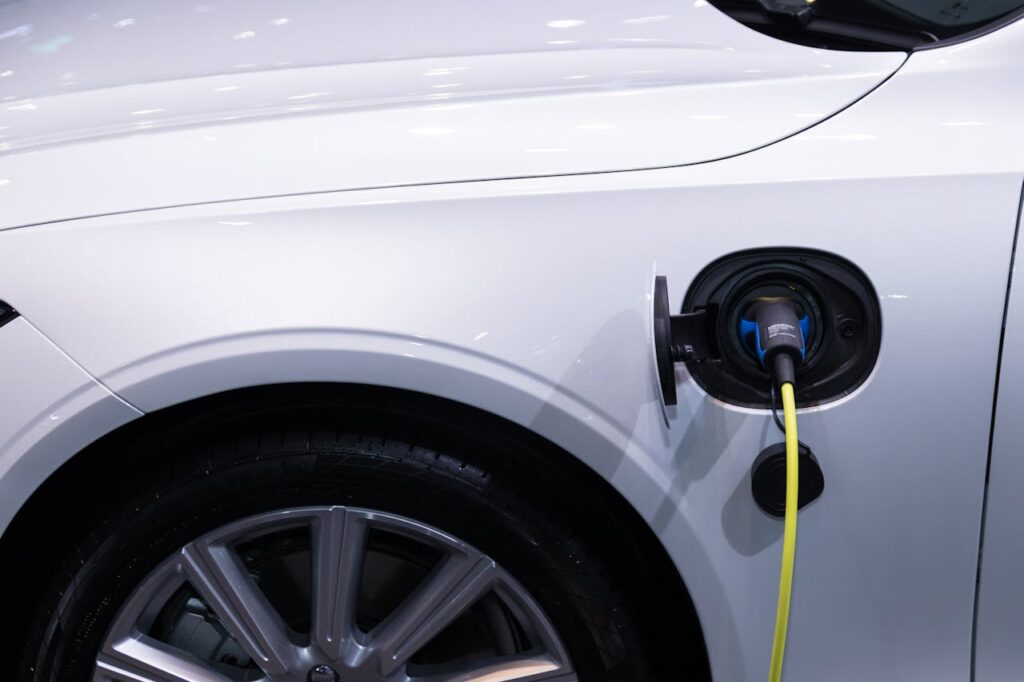
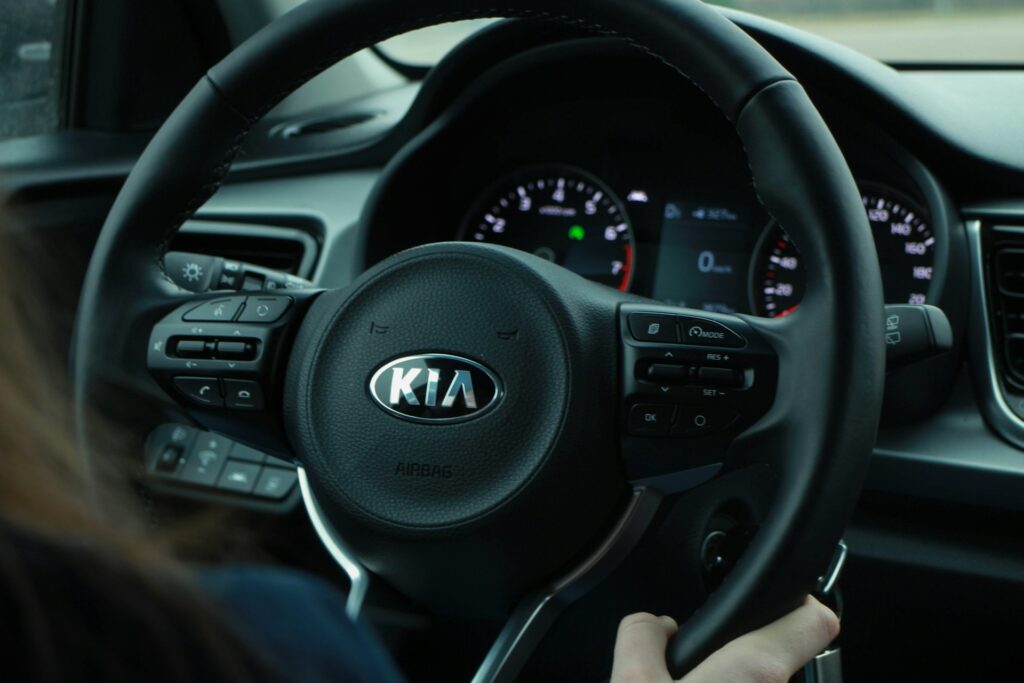
The Kia Niro EV stands out by combining practicality with affordability. Sporting a front-wheel drive setup, the Niro EV offers responsive torque for city driving, complemented by traction control and four-wheel antilock brakes. While it may not match the all-wheel drive prowess of the Model Y, it remains a capable performer. Drivers of the Niro EV who prioritize simplicity will appreciate straightforward interior controls, standard driver assists like lane departure warnings, and an available back seat reminder that ensures young children aren’t left unattended.
One of the biggest selling points is the Niro EV’s warranty. Kia’s basic warranty spans a full 5-year/60,000-mile term, while the powertrain coverage extends to 10 years or 100,000 miles. In practice, this means peace of mind for those wary about battery degradation or costly repairs. Also notable are features like the niro ev’s liftgate with a hands-free gesture opening mechanism, side window demisters for clear visibility, and niro ev’s driver alert monitor designed to detect inattentive driver behavior. Rear seat comfort is surprisingly generous, with enough headroom and legroom for adults. The cabin design accommodates daily life well—grocery trips, hauling sports gear, and giving rides to friends all feel manageable.
Infotainment is another strong suit. Apple CarPlay and Android Auto integration come standard, and the optional heads-up display can project navigation instruction readouts onto the windshield. Kia dealers throughout the country have also been trained in EV maintenance, ensuring local support. The brand’s historically positive reliability ratings in outlets like Consumer Reports hint at minimal headaches down the road.

Overview of the Tesla Model Y
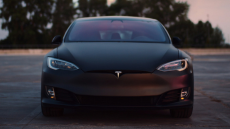
Tesla’s Model Y, meanwhile, has carved out a significant market share in electric SUVs by merging performance, technology, and style. Known for a larger portion of the windshield that merges with a panoramic glass roof, the cabin feels open and futuristic. Most interactions with the car—from climate adjustments to autopilot engagement—happen via a giant touchscreen interface, representing a different philosophy from Kia’s blend of digital and analog controls. In line with Tesla’s brand ethos, the Model Y’s software-centered approach gives drivers real-time updates, GPS response system integration, and direct access to features like adaptive cruise control.
Performance is a major draw. The Model Y can be configured with dual electric motors, making it all-wheel drive and delivering brisk acceleration, aided by electronic stability systems and advanced traction control. Even the single-motor variant demonstrates impressive torque off the line. Its focus on speed doesn’t overshadow practicality, however. Fold the rear seat down, and you reveal a much larger cargo volume than in many sedans, meeting the needs of families or travelers who need space for bulky items. The steering wheel, seats, and dash echo Tesla’s minimalist design, though some drivers might miss traditional buttons and knobs.
One caveat is Tesla’s dealership model. Rather than the widespread presence of Kia dealers, Tesla uses a network of service centers and mobile service providers. This can be a challenge if you’re located far from a major city. However, Tesla owners praise the convenience of over-the-air software updates that can add features or refine existing systems without a dealership visit. Tesla’s basic warranty, often referred to as model y’s 4-year coverage, trails behind Kia’s in time, but its battery and drive unit coverage extends for eight years or 120,000 miles, which can still be compelling for EV shoppers.
Performance and Drivability
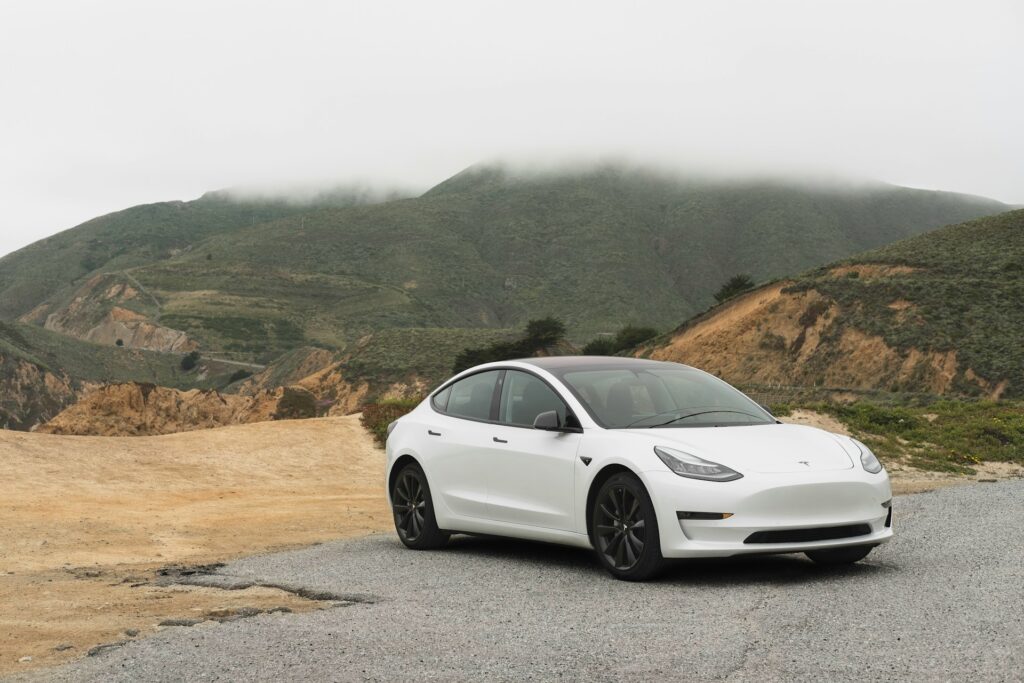
Comparing the Kia Niro EV vs Tesla Model Y in terms of raw performance reveals Tesla’s sporty edge. Thanks to dual motor options, the Model Y typically offers faster 0-to-60 acceleration and stronger traction under harsh weather. Rear stabilizer bars and advanced traction control also contribute to stable handling. The Niro EV’s front-wheel drive and slightly less horsepower mean it’s more about balanced efficiency than outright speed. That said, it’s perfectly adequate for daily commutes, with a smooth ride and responsive steering wheel feedback. For owners who rarely push their vehicles to the limit, the Niro EV’s approach will likely satisfy day-to-day needs without fuss.
Parking space considerations matter too. The Niro EV’s smaller footprint lends itself to navigating crowded streets or fitting into tight spaces, a boon for city dwellers. The Tesla Model Y, while not massive, is still larger and might be trickier to maneuver in cramped areas. Tesla’s sensor-laden Autopark feature can help, but it’s not infallible. Kia also offers available front parking sensors on higher trims, ensuring you have support in tight parking environments.
Range and Charging Dynamics
Range often dominates EV discussions. The Model Y can easily surpass 300 miles of range in its Long Range configuration, making it ideal for frequent travelers. Coupled with Tesla’s extensive Supercharger network, you can plan lengthy road trips using the navigation computer, which pinpoints optimal charging stops. The synergy between vehicle, charger, and software is seamless, with real-time data guiding you to available Superchargers or scheduling your next stop to minimize downtime.
On the other hand, the Niro EV usually hovers around 250 to 280 miles of range, though improvements in battery technology may shift these figures. For daily commuting and occasional weekend getaways, that’s likely more than enough. Kia EV owners can access various third-party charging stations, many of which also offer DC fast-charging rates that top up the battery in a reasonable time. However, a certain measure of manual planning might be necessary, compared to Tesla’s integrated approach.
Interior Comfort and Usability
Inside the Kia Niro EV, practical design meets user-friendly technology. Seat cushions offer good support, and the dash layout mixes touchscreen controls with physical buttons, catering to a wide audience. Blind spot detection, lane departure warnings, and side window demisters all enhance everyday safety. The standard driver vantage point is slightly elevated, giving a better view of the road. Although the Niro EV might feature less space overall, the cabin is thoughtfully arranged to accommodate a variety of passenger heights. Kia’s focus on family life is evident in touches like the back seat reminder, which is especially valuable for parents managing chaotic schedules.
Tesla’s Model Y aims for a streamlined user experience with nearly all controls in the central touchscreen. The glass roof floods the cabin with light, making it feel more open. Sitting in the driver’s seat can initially be a learning curve for those used to physical dials and buttons. Still, the Model Y’s over-the-air updates can introduce new features or refine existing ones, meaning the car’s software might evolve during your ownership. Rear shoulder room and rear hip room are also generous, allowing adults to sit comfortably in the back. Plus, the Model Y’s trunk—especially when the rear seat is folded—reveals an unexpectedly large hauling capacity.

Safety Features and Driver Assistance
Both vehicles offer robust safety suites. Standard features like frontal airbags, front side-impact airbags, and side-impact head airbags protect occupants in case of a collision. Additionally, driver knee airbags are present, increasing frontal crash protection. The Model Y capitalizes on autopilot for advanced driver assistance, which can maintain lane positioning and adjust speed for traffic flow. Meanwhile, the Niro EV’s driver alert monitor checks for signs of inattentive driver behavior, issuing a prompt if it detects drifting or constant lane corrections. In practice, these systems serve as safeguards, rather than replacements for human attentiveness.
Tesla’s suite famously includes adaptive cruise control that reads the surrounding vehicles via sensors and cameras. Kia’s system operates similarly, albeit with a more conventional approach. One difference is blind spot monitoring; Tesla might show you a visualization on the central screen, whereas Kia often uses indicator lights on the mirrors or a heads-up display. Both methods are effective, though some drivers prefer the immediate visibility of a side mirror warning. For emergency personnel responding to collisions, first responders often praise the vehicles’ built-in occupant detection systems, which can expedite rescue operations.
Warranty Coverage and Legal Notes
The Kia Niro EV boasts a standout advantage with niro ev’s warranty coverage of 5 years or 60,000 miles for the basic warranty, complemented by 10 years or 100,000 miles of powertrain protection. In contrast, the model y’s 4-year or 50,000-mile basic warranty might feel shorter, though Tesla extends battery and drive unit coverage to 8 years or 120,000 miles. This difference can be pivotal if you prioritize longer-term coverage over Tesla’s software-based perks. Ultimately, the best approach is to calculate how many miles you plan to drive annually, and which form of coverage aligns with those needs.
Legally speaking, official vehicle comparisons often reference disclaimers from sources like 1999 – 2025advanta-star automotive research. They might clarify that unauthorized use of this vehicle comparison without prior written license could lead to enforcement of any legal claims in a united states federal district court. Monetary damages of a minimum set amount in US dollars might be pursued, under federal law, especially regarding service of process of any legal claims. The broader point is that companies often protect their data through disclaimers, reflecting their parent entities, sister entities, and subsidiary entities of search optics or other marketing agencies. As a legally licensed user of this vehicle comparison, you’re free to consume the data to inform your decision—but always consult official manuals or direct manufacturer sites for the latest specifications.
Maintenance and Ownership Experience
One advantage of going electric lies in simplified maintenance. Both Kia and Tesla eliminate oil changes and major engine-related upkeep. However, each still requires periodic brake checks, tire rotations, and software updates. Owners of the Niro EV can rely on Kia dealers for support, while Tesla owners typically schedule visits at specialized service centers or arrange for mobile service. The latter can be especially convenient but isn’t universally accessible, particularly if you’re located far from major metropolitan areas.
Additionally, both vehicles alert you to upcoming needs through a maintenance reminder system. Kia’s approach is more traditional, with clear frost guidelines for timing belt checks on hybrid or gasoline models, though not relevant to the Niro EV. Tesla’s approach is digital, delivered via push notifications or messages on the central touchscreen. Regardless of which brand you choose, plan to factor in basic upkeep like windshield wipers, cabin air filters, and tire changes. These items might seem small, but regular attention prolongs vehicle life and ensures optimal performance.
Real-World Utility: Space, Doors, and Windows
For daily chores—like loading groceries or picking up kids from school—both SUVs are well-suited. The Niro EV’s liftgate, especially in higher trims, supports a hands-free gesture function, making it easy to pop open the trunk even if your arms are full. Rear door access is generous, so you can secure car seats or packages without contorting. Comparatively, the Model Y’s trunk is deeper, offering a cubic feet advantage for bigger items. A major selling point for families might be that the Model Y’s trunk can accommodate luggage for long-distance road trips without feeling cramped.
Visibility can be a make-or-break consideration for many. The Model Y’s rear window is somewhat narrow, but the large side windows and glass roof reduce any sense of claustrophobia. In the Kia Niro EV, you’ll find well-sized windows and a purposeful layout that mitigates blind spots. If you drive in crowded city environments, seeing every corner of the car clearly becomes essential. For some, the standard or optional cameras in each vehicle might suffice; for others, a naturally wide rear window is preferable. This is why a test drive remains invaluable: no technical spec can fully replace your personal impression of how well you can see out the back or how comfortable you feel behind the steering wheel.

Legal and Warranty Extensions
It’s worth noting that many owners opt for extended warranties or service plans, especially if they intend to keep the vehicle beyond the standard warranty period. Kia’s coverage is already robust, but some might want additional years for peace of mind. Meanwhile, Tesla owners sometimes rely on the brand’s battery coverage to carry them through major potential issues. If you plan on high-mileage use, verify if your coverage includes driver-assistance features or software updates. The enforcement of any legal claims related to these warranties might involve specific procedures—like requiring official forms to be mailed via the postal service or delivered via first-class postage. Given the complexities of corporate structures, from parent entities to sister entities, it can be helpful to confirm with a local dealer or Tesla’s support line how the process works in your region.
Price Point Considerations
The starting msrp for the Kia Niro EV generally falls in the high-$30,000 range, while the Model Y tends to start above $40,000. This gap can widen if you opt for Tesla’s Performance or Long Range versions, though occasional price shifts may narrow the difference. State and federal EV incentives might further alter the equation. Check your local regulations, as the final cost could be influenced by tax credits, HOV lane access, or utility company rebates. Hyundai Ioniq EV models, from Kia’s broader corporate family, also compete in this space, so be sure to compare across the full lineup if budget is a top priority.
Ultimately, consider total cost of ownership rather than just upfront price. Variables include how much you drive, local electricity rates, and whether you can charge overnight at home. Some Tesla owners value the integrated Supercharger network enough to justify the premium, while Niro EV owners may be content with lower purchase costs and a decent array of third-party charging options. Both perspectives have merit, and it largely hinges on how you plan to use the vehicle day-to-day.
Real-World Feedback and Reliability
Kia’s track record for building solid, dependable vehicles often garners high marks from J.D. Power. By contrast, Tesla has received accolades for technological breakthroughs but has faced scrutiny over manufacturing consistency or body fit issues. Still, overall ownership satisfaction for Tesla remains high, fueled by a passionate customer base that appreciates frequent over-the-air updates and exciting performance capabilities. The brand’s approach to marketing and user engagement fosters loyalty; for Kia, brand loyalty often arises from a feeling of practicality and reliable engineering.
Feedback from owners who have used both the Kia Niro EV and Tesla Model Y underscores the differences in approach. Some rave about Tesla’s autopilot system and minimalistic interior, while others prefer the Niro EV’s more traditional controls, robust basic warranty, and widely available dealer support. Your choice may hinge on how comfortable you are with technology that’s continuously evolving versus a more traditional format that’s tried and tested.
Key Takeaways and Next Steps
The Kia Niro EV vs Tesla Model Y debate isn’t about finding a universally superior vehicle. Each model excels in distinct areas. The Niro EV is perfect for those who want a manageable driving experience, reliable warranty coverage, and an affordable entry point. Its family-friendly features—from the back seat reminder to the niro ev’s driver alert monitor—showcase Kia’s emphasis on real-life usability. Tesla’s Model Y caters to drivers who prize cutting-edge tech, a robust charging network, and spirited performance. Whether it’s the lane departure warnings, dual-motor drive, or glass roof for stargazing, the Model Y encapsulates the brand’s vision of modern mobility.
Before making your final call, consider scheduling test drives of both cars. Check how well you fit in the rear seat, whether the cargo space meets your weekend trip demands, and if you prefer the tactile feel of physical buttons or a digital-centric setup. Compare local Kia dealers and Tesla service center availability in your area. You might even want to glance at the hyundai ioniq or other EVs to ensure you’re seeing the full spectrum of options. Whichever direction you choose, the transition to electric vehicles delivers immediate benefits, including zero-tailpipe emissions, reduced fuel expenses, and a quiet, refined ride. By weighing the differences outlined here—from price point and basic warranty details to intangible brand allure—you’ll be on the path to finding the electric SUV that aligns best with your life.
One factor that often goes unmentioned is how both the Kia Niro EV and Tesla Model Y handle real-world emergencies or collisions. Beyond airbags and robust chassis designs, both automakers invest in occupant safety measures. For instance, each brand integrates cellular system technology that can notify emergency personnel in severe crashes, expediting help when every second counts. The Niro EV’s approach to advanced driver alerts includes subtle steering wheel vibrations if the vehicle detects drowsy patterns, while Tesla’s autopilot suite can analyze lane boundaries and brake quickly should an inattentive driver fail to respond to hazards. These features highlight how modern EVs aren’t solely about eco-friendliness or flashy tech—they also champion occupant protection. If your family includes young children or older parents, these elements may be pivotal in ensuring a stress-free commute. And, of course, routine upkeep—like checking tire pressure and monitoring battery health—remains crucial for both the Kia Niro EV and Tesla Model Y. Proper owner time spent on such tasks goes a long way toward preserving each vehicle’s longevity and safety credentials.
In light of these findings, the Kia Niro EV and Tesla Model Y stand as compelling options for forward-thinking drivers who prize efficiency, tech, and reliable performance.