Key Reproductive Characteristics
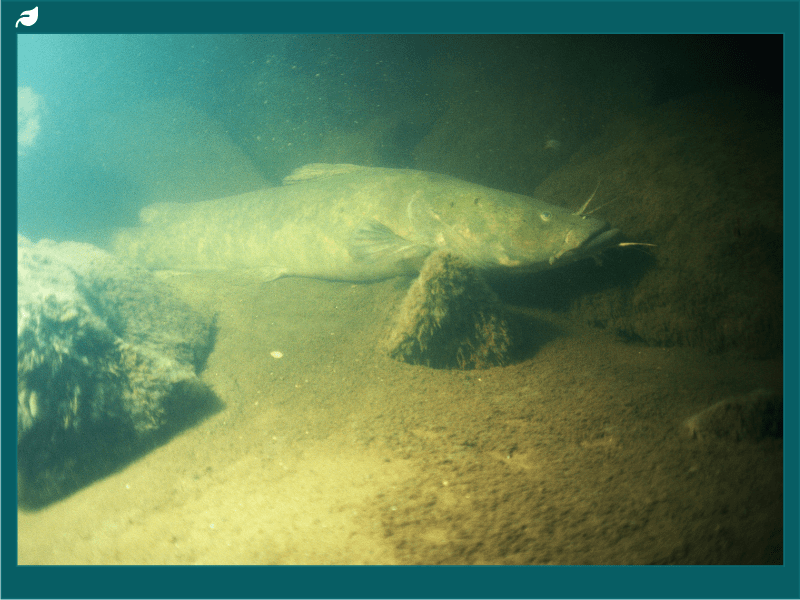
Spawning season runs from late spring into early summer, when water temperatures climb into the range that triggers breeding behavior. Flatheads seek out sheltered, secluded spots in rivers and lakes, areas with solid cover and protection from current. Undercut banks, root masses, hollow logs: these become nurseries.
Male flatheads are intensely territorial during this period. They construct and guard nests, driving off intruders with consistent aggression, and stay on post until the eggs hatch. That dedication is unusual in freshwater fish, and it dramatically improves the survival rate of each spawn. The male doesn’t eat, doesn’t leave, and doesn’t relax until those eggs are safe.
Female flatheads produce thousands of eggs per spawn, which buffers the population against losses during the juvenile stage. And those losses are real: juvenile flatheads face pressure from larger fish, birds, and aquatic mammals at every turn. The sheer volume of eggs compensates for the attrition.
Studying these reproductive patterns helps researchers predict how populations will respond to environmental stressors, water quality changes, habitat loss, or heavy fishing pressure. It also gives conservation managers a timeline for protective measures. Limit disturbance during spawning season, protect the habitat features flatheads depend on for nesting, and you give the population its best chance to sustain itself.
Latest News and Research Developments
The science around flathead catfish keeps moving. New tools, better data collection methods, and more sophisticated ecological modeling are changing what researchers can learn about this species and how quickly they can act on it.
What to Expect in 2026
As research programs approach 2026, the flathead catfish community, anglers, scientists, and conservation managers alike, has a lot to watch. New developments in tackle technology promise better performance in the specific environments flatheads favor: heavy current, deep structure, low visibility. Gear designed to handle the raw strength of a large flathead while staying functional in those conditions is a meaningful upgrade for anyone fishing seriously.
On the research side, 2026 is shaping up to be a productive year for ecological data. Studies focused on migration patterns and breeding cycles are expected to yield more precise information than previous assessments. Improved tagging technology and population density monitoring will give state agencies better numbers to work with when setting regulations and managing river and lake systems across Iowa.
Data accuracy matters here. Conservation decisions made on imprecise population readings can swing too far in either direction: too restrictive for a healthy population, or too lenient for one that’s actually under pressure. Better data means better decisions, which ultimately means healthier fish populations for longer. The broader aim of these research programs, and the reason agencies invest in them, is sustainable management of Iowa’s aquatic biodiversity.
Conservation Efforts and Challenges
Flathead catfish face real pressure in Iowa. Habitat degradation, water quality issues, and fishing pressure all affect population dynamics in ways that compound over time. These are large, slow-maturing fish. They’re resilient in the right conditions, but they don’t recover quickly from heavy losses.
Protecting Fish Populations in Iowa
Conservation work for flathead catfish in Iowa runs on several parallel tracks. Habitat protection is the foundation. The deep river channels, submerged structure, and sheltered lake areas that flatheads depend on need to stay intact and functional. When industrial activity, agricultural runoff, or bank erosion degrades those environments, flathead populations feel it quickly.
Regulation is the other major lever. Sustainable fishing practices, size limits, catch restrictions, and seasonal protections help prevent overfishing from pushing populations below viable levels. The state uses population monitoring data to calibrate those regulations, adjusting them as conditions change. Scientific surveys of the Mississippi River and key lakes across Iowa provide ongoing snapshots of catfish population health, giving managers something concrete to work with rather than educated guesses.
Habitat restoration rounds out the approach. Reversing pollution damage, restoring bank structure, and improving water quality in degraded sections of river and lake systems creates new habitat where flatheads can establish themselves. These projects take years to show results, but the long-term payoff is measurable.
Community education runs through all of it. Anglers who understand why catch-and-release matters, especially for large breeding fish, become active participants in conservation rather than passive bystanders. That shift in perspective multiplies the impact of every regulation and restoration project the state undertakes.
Personal Bests and Record Catches
The flathead catfish is the reason a lot of Iowa anglers are still fishing. Landing one at weight is an experience that sticks with you. These fish fight differently from anything else in freshwater: heavy, powerful, and relentless. When you hook a real specimen, you know it immediately.
Record catches happen regularly enough with this species that the possibility feels genuine, not theoretical. Flatheads grow large enough to break records that have stood for years.
How to Record Your Biggest Catch
Strategy starts with location. Large flatheads spend their days in the deepest, most sheltered sections of river and lake systems they can find. Submerged logs, undercut banks, bridge pilings, any solid structure in slow or still deep water is worth investigating. You’re not randomly casting.
You’re targeting habitat.
Tackle selection needs to match the fish. Heavy-duty rods, high-test braided line, and quality hooks are not optional when you’re targeting a fish that might weigh 50, 60, or 70 pounds and has absolutely no interest in cooperating. Undersized gear doesn’t just cost you the fish; it risks harming it during a prolonged fight.
Live bait consistently outperforms everything else. A lively bluegill or shad presented near structure after dark gives you the best realistic shot at a trophy flathead. Flathead catfish are hardwired to eat live prey, and your presentation should reflect that.
When you land a potential record, documentation is everything. Accurate weight on a certified scale, measured length, clear photographs from multiple angles: all of it matters when you submit the catch for official recognition. Get the details right in the moment, because you can’t go back and re-weigh the fish.
The fish you put back today is the reason someone else gets their record moment down the line.