Understanding the hibernation habits of squirrels, particularly in the UK, uncovers some genuinely interesting aspects of their behaviour and adaptation to changing seasons. Hibernation is often associated with animals escaping harsh winter conditions, but not all squirrel species follow this pattern. Squirrels may employ various survival strategies depending on their environment and the characteristics of their particular species. By exploring these practices, we gain insight into the ecological roles squirrels play and how they manage the winter months.
Understanding Squirrel Behavior in the UK
Squirrels in the UK are remarkably adaptable, shaped by their varied habitats and seasonal behaviours. Although often seen as common woodland creatures, their nesting and living habits reveal a close connection with the changing seasons. Understanding where these animals live and nest helps explain the complexity of their existence in the UK. With tree and ground squirrels inhabiting different areas, their behaviour shifts to meet the challenges posed by the winter months.
Where Do Squirrels Live?
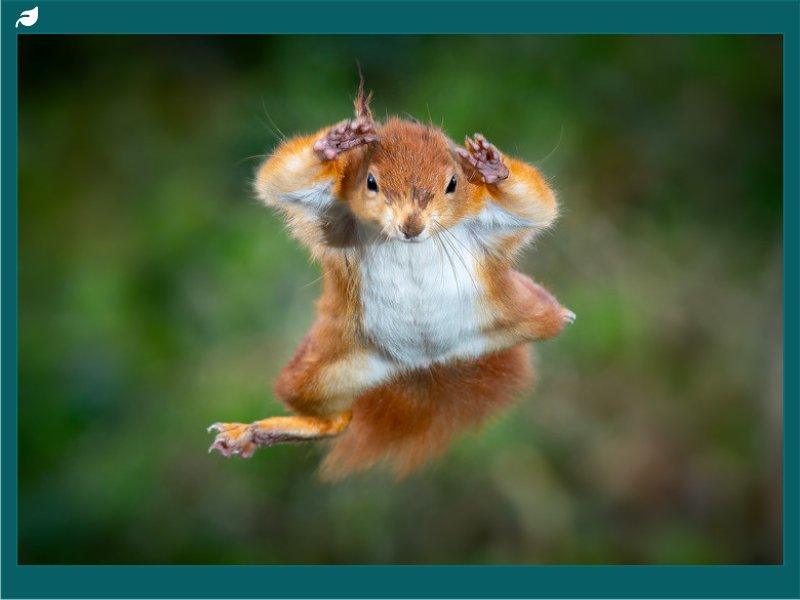
In the UK, squirrels occupy a wide range of habitats. Two species dominate: the native red squirrel and the more widespread grey squirrel. Both demonstrate distinct behavioural adaptations suited to their preferred ecosystems. Tree squirrels typically favour woodland areas and forests, where the dense canopy provides food in the form of nuts, seeds, and berries, along with protection from predators and harsh weather.
Over time, these animals have adapted to several forest types, including broadleaf, coniferous, and mixed woodlands, each presenting its own advantages and challenges.
In urban settings, squirrels have adapted well, making use of public parks and gardens. These areas offer an abundance of food due to human activity, making them useful supplementary habitats. Despite the pressures of urban expansion, squirrels continue to find ways to coexist with humans, where they’re regarded as both wildlife marvels and, occasionally, pests.
Ground squirrels, less common in the UK than their tree-dwelling counterparts, prefer open fields and areas with loose soil suitable for digging burrows. Encounters with ground squirrels are scarce, but understanding their presence adds depth to our knowledge of these adaptable creatures. Each environment provides squirrels with an ecological niche, allowing them to survive and reproduce across different parts of the UK.
Here are several points regarding squirrel habitats across the UK:
- Woodland areas offer food sources and protection for tree squirrels.
- Red squirrels are primarily found in areas where grey squirrels are less prevalent.
- Urban parks provide abundant food from human activity for urban-adapted squirrels.
- Mixed woodlands offer varied ecological challenges and benefits for different squirrel species.
- Ground squirrels prefer open fields with loose soil suitable for burrows.
- Coniferous forests often support native red squirrels with their specific dietary needs.
- Public gardens are supplementary habitats due to available vegetation.
Where Do Squirrels Nest?
Squirrel nesting habits offer a window into their survival strategies. In the UK, tree squirrels, including the native red squirrel and the introduced grey squirrel, build nests known as dreys. These are usually constructed high up in trees, using twigs, leaves, and moss to form a rounded structure that provides shelter and warmth. Typically situated in the fork of branches, dreys are designed to protect against the elements and predators.

The location of these nests matters greatly for the squirrels’ survival, particularly during the harsh winter months when warmth is hard to come by.
The process of building dreys reveals much about squirrel intelligence and adaptability. Squirrels often build multiple nests within their territory, which serve as alternative shelters or food storage. These secondary nests play a real role in winter survival, ensuring the availability of safe refuges and food caches away from potential threats. Red squirrels, in particular, are known for meticulous drey construction, creating compact, insulated homes capable of withstanding wind and rain.
The quality of drey construction can directly affect whether a squirrel makes it through a particularly cold or wet spell, so the effort put into building is far from trivial.
Ground squirrels, by contrast, create simpler burrows that serve as homes and food storage. These subterranean nests provide safety from predators and extreme weather. Their choice of habitat is strongly influenced by the availability of loose soil, which is essential for digging their burrow systems. While ground squirrels are less common in the UK, their nesting practices demonstrate the range of survival techniques within the squirrel family.
In urban areas, the interaction between human and squirrel populations has led to some creative adaptations, with certain squirrels using man-made structures for nesting. Understanding where and how squirrels establish their nests provides insight into their resilience, and into the broader ecosystem dynamics at play across British wildlife.
Do Squirrels Hibernate?
In British wildlife, the question of whether squirrels hibernate is a common one, and the answer is more nuanced than most people expect. So, do squirrels hibernate? Contrary to popular belief, squirrels don’t hibernate in the traditional sense seen in other animals. Instead, they exhibit behavioural adaptations that help them endure the winter months.
This section looks at why hibernation isn’t characteristic of all squirrel species, focusing on the distinctions between red and grey squirrels, and what those differences mean for their winter survival.
When Do Squirrels Hibernate?
While cold winters prompt several animal species to hibernate, squirrels take a different path. In the UK, squirrels don’t hibernate in the complete sense. Instead, they enter a state of reduced activity often called torpor, where their metabolic processes slow down but don’t stop entirely. This adaptation speaks to their evolutionary success in dealing with colder climates.

Red squirrels and grey squirrels react differently to winter challenges, each developing strategies that suit their environmental niches and food availability. During winter, squirrels become less active, relying on fat reserves and food caches built up throughout the year. This allows them to venture out less frequently and conserve energy. Unlike true hibernators such as hedgehogs or bats, which drop their body temperature significantly and essentially sleep through winter, squirrels maintain a relatively stable body temperature and can still be spotted out of their nests on milder days.
Their torpor states allow them to balance energy conservation with the opportunity to forage when conditions permit. This is particularly evident in urban environments where food may be more accessible due to human activity. It’s a strategy that reflects their resourcefulness, and it’s likely one reason grey squirrels have thrived even as native red squirrel numbers have declined.
Climate change complicates these behaviours further. With warmer winters becoming more frequent, the necessity and frequency of entering torpor may reduce, potentially prompting shifts in how urban and rural squirrels approach the season. Understanding this behaviour provides a clearer picture of how squirrels navigate winter survival, showing that their methods are far from simple. The ability to remain flexible, rather than committing to a full seasonal shutdown, is arguably what makes squirrels so successful across such a range of British habitats.
Environmental Factors Influencing Hibernation
The torpor behaviour observed in squirrels during winter is shaped by a combination of environmental factors. External conditions such as temperature and food availability, alongside internal factors like metabolic rate, all influence how squirrels approach their non-hibernating dormancy. For species like the red squirrel, whose populations face significant threats from habitat changes, understanding these environmental influences is important for conservation efforts.
Increasingly unpredictable winter temperatures due to climate change have altered the typical patterns of dormancy. While many animals enter hibernation as temperatures drop, squirrels respond more flexibly, adjusting their activity levels in response to warmer spells or sudden cold snaps. Food abundance, or the lack of it, also plays a substantial role. If a mast year is followed by poor seed production, squirrels are forced either to venture out more often, increasing exposure to predators and the elements, or to rely heavily on stored food.
It’s a delicate balance, and shelter is equally important within it.
The construction of protective dreys, insulated with leaves and moss, illustrates how squirrels prepare for environmental changes. In urban settings, access to shelter from human structures may further influence their behaviour, possibly reducing reliance on natural nesting sites. Grey squirrels, in particular, have shown a willingness to exploit roofspaces and outbuildings when natural tree cover is insufficient, which is one reason they’re sometimes considered a nuisance in residential areas.
The influence of climate change on these dynamics cannot be overstated. With warmer winters, the traditional patterns of food storage and torpor may evolve, putting pressure on both squirrel species to adapt more rapidly than usual. Studying squirrels’ responses to these factors gives wildlife conservationists and ecologists useful knowledge for managing and preserving these animal populations effectively. The more we understand about the triggers for torpor and the thresholds at which squirrels choose to remain active, the better placed we are to anticipate how their behaviour might shift in coming decades.

The Role of Squirrels in Wildlife Conservation
Squirrels contribute meaningfully to wildlife conservation by supporting ecosystem balance and biodiversity. These small mammals play a significant role in seed dispersal, helping to propagate various tree species across forests. Through their influence on forest regeneration and biodiversity, squirrels indirectly support numerous other species by maintaining healthy habitats. Their presence reflects ecosystem health and the complex relationships within nature.
Conservation efforts often focus on protecting the habitats of native species like the red squirrel, whose declining numbers point to serious environmental challenges. As climate change affects their survival, understanding the ecological roles squirrels play has become more pressing than ever. Organisations across the UK work to restore red squirrel populations by managing grey squirrel numbers in certain areas and protecting the coniferous woodland habitats that red squirrels depend on for food and shelter through winter.
Impact of Climate Change on Squirrel Habitats
Climate change is reshaping squirrel habitats with real consequences for conservation and biodiversity. As temperature fluctuations become more extreme, squirrels face growing challenges in finding stable environments suited to their survival. These animals, integral to the function of ecosystems, depend on habitat stability for nesting and food supply. In the UK, the effects are visible across various ecosystems, where squirrels are struggling to adjust to rapidly changing conditions.
The red squirrel is particularly affected. Already vulnerable due to habitat loss and competition, it faces additional pressure from climate change. Shifts in temperature and food availability challenge the red squirrel’s ability to build the reserves needed to get through winter. Changes in habitat conditions alter food chain dynamics, with effects that ripple outward to the broader wildlife community.
Warmer temperatures can create a mismatch in the timing of food availability, with earlier springs disrupting the natural rhythms that squirrels depend on for feeding and breeding.
These disruptions have cascading effects. Food chain changes caused by shifting squirrel populations can influence predators and other animal species. Squirrels nest strategically to protect themselves from environmental extremes, but with increasing climate-related pressures, traditional nesting sites such as dense tree canopies are at risk. Changes in forest composition can lead to loss of suitable nesting areas, pushing squirrels into less optimal habitats, including urban areas where they face additional threats from human activity and predators.
As urbanisation increases and climate change continues to modify natural environments, squirrels must adapt quickly to survive. Efforts to preserve and restore habitats are critical in addressing these challenges. Conservation strategies include maintaining biodiversity and building forest resilience to support squirrel populations. Protecting existing habitats and creating wildlife corridors can help squirrels and other woodland animals move safely across wider areas in search of food and shelter.
Research into how squirrels adapt to shifting climates also contributes broader insights into conservation strategy. By understanding these interactions, conservationists can take steps to support biodiversity and ecosystem stability, ensuring that squirrel populations don’t just survive but continue to function as part of healthy, balanced ecosystems. Long-term monitoring of both red and grey squirrel populations across different regions of the UK will be essential in tracking whether current conservation measures are working and where further intervention may be needed.
Squirrels in the UK, with their adaptive behaviours, approach winter survival in ways that differ from true hibernation. By entering torpor and remaining active when weather allows, these resilient creatures retain their roles within the ecosystem through the coldest months. Understanding their seasonal patterns contributes to our broader knowledge of wildlife adaptation and the importance of habitat conservation. Their habits offer a clear example of the strategies animals develop to thrive in changing environments.