Housing sustainability is usually argued through performance. Insulation depth, glazing, airtightness, heat pumps. Those measures are real, and they apply to a building somebody occupies and maintains.
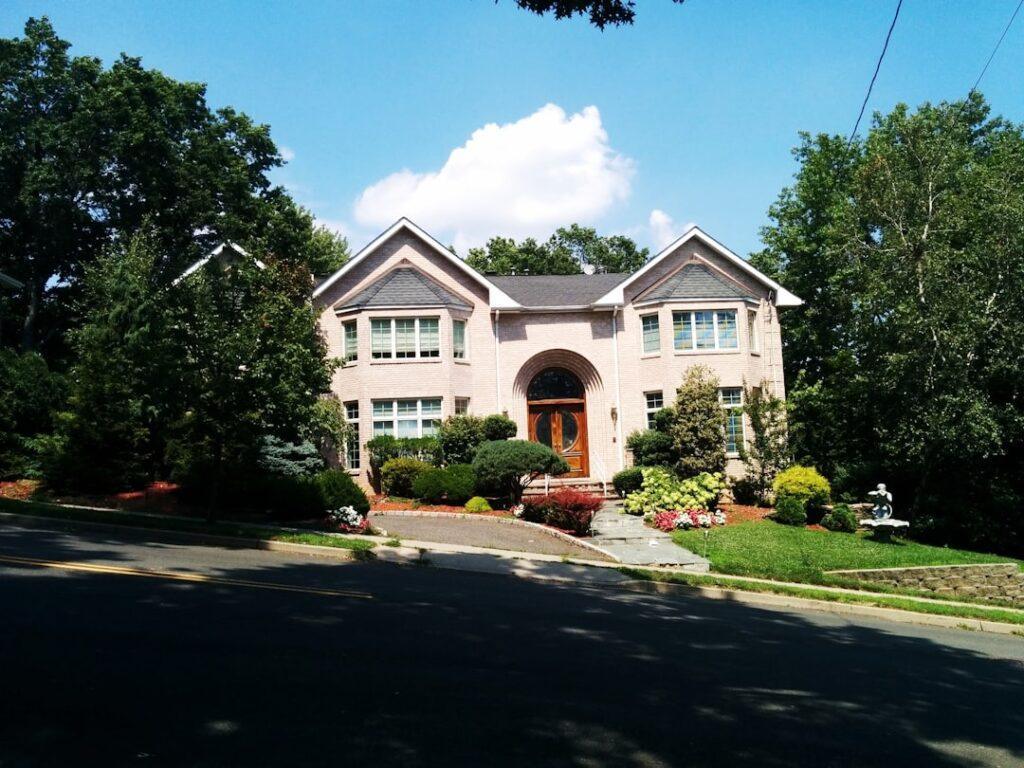
New Jersey adds a constraint that performance figures do not capture. Buildable land is close to exhausted, and most of what is left is farmed, protected, or hard to service. Burlington County shows the tension plainly, and firms trading under banners such as we buy houses burlington county purchase properties there in their existing condition. That is one route by which a stalled house returns to use.
Those buyers are businesses working for a margin, not environmental organizations, and this article is written on that basis. The limit is worth stating early too. Selling a house achieves nothing environmental on its own. What counts is whether the building ends up occupied, and whether the alternative would have opened new ground.
Why Is Land the Binding Constraint In South Jersey?
Burlington County stretches from the Delaware River east toward the coastal plain. A large share of it sits inside the Pinelands. The New Jersey Pinelands Commission puts the Pinelands National Reserve at about 1.1 million acres. That is roughly 22 percent of the state’s land area, covering parts of seven counties and all or part of 56 municipalities.
Congress created the reserve under the National Parks and Recreation Act of 1978, the first National Reserve in the country. New Jersey followed with the Pinelands Protection Act in 1979, and the Commission adopted its management plan on November 21, 1980. That plan, known as the CMP, channels growth toward places that can absorb it and restricts building elsewhere.
Water is part of the reason the boundary is drawn so firmly. Beneath the reserve sits the Kirkwood-Cohansey aquifer system, which the Commission estimates holds around 17 trillion gallons.
The result is a county with two halves. West of the boundary sit river towns and postwar suburbs, already served by sewer, water and roads. East of it sits land where new subdivisions are difficult by design. The Pinelands Alliance publishes an annual State of the Pinelands report on how that pressure is changing.
What Has an Already Serviced Lot Paid For?
A house on an existing street arrives with infrastructure attached. None of it has to be built twice.
- Water mains and the service line into the property.
- Sewer laterals, or an approved septic field already sized and sited.
- Paved frontage, curbs and storm drainage.
- Power, telecoms and street lighting.
- A school bus route and a refuse collection round.
A greenfield subdivision starts from nothing. Roads, drainage and utility runs all consume material, and they extend a network the municipality maintains for decades.
The land itself is the larger item. Every acre converted to housing is an acre no longer farmed, forested or absorbing rainfall. Reoccupying a house that already stands adds nothing to that total. It is the least glamorous form of land conservation available to a county.
Where Does Reuse Cut Impact, and Where Does It Not?
Nothing about an old building is automatically greener, and pretending otherwise invites the obvious rebuttal. The honest version depends on three conditions holding at once.
Photo by Lauri Poldre on Pexels
The frame, footings and roof line have to be sound. The failures have to sit in the systems rather than the fabric. And the house has to be habitable again without going back to the studs. Where all three hold, the concrete, lumber and brick already on the lot keep working.
The opposite facts flip the answer. Settled footings, structural rot, fire damage to the framing, or a lot that floods every other spring all argue for replacement. A house gutted to the frame can swallow more material than a new one, and that call belongs to a surveyor.
When demolition really is the right decision, the material question does not go away. How the first two days on site are run determines whether lumber, brick and fixtures leave as stock or as rubble. That is the practical end of any sustainable waste management policy.
What the Transaction Actually Decides
Most of the influence sits with whoever holds the deed at the point of sale. Buildings are rarely lost to a decision. They are lost to an empty calendar.
- Month 1: the utilities go off and nobody visits.
- Month 3: a cold snap splits a supply line inside a wall.
- Month 6: the leak has soaked the sheathing and the sill plate.
- Month 12: mold, rodents and stripped copper are all established.
- Month 18: the demolition quote is the cheapest number on the page.
How fast a property changes hands is therefore an environmental variable, even though nobody files it as one. A property that turns over inside three months is a different asset from one that has stood through two winters.
Investor purchases cut both ways, and the debate over how cash home buyers fit into sustainable real estate reflects that split. A purchase followed by repair and occupancy keeps a building in service. A purchase followed by a cleared lot does not.
Questions a Seller Can Ask Before Signing
Sellers have more say than they expect, and using it is free. Four questions change what happens to the structure.
- What happens to the building itself after closing?
- Is there time for a salvage crew before any machinery arrives?
- Which local outlet resells doors, cabinets and lighting?
- Will the containers leave the site sorted or mixed?
Keeping Houses On the Lots That Already Exist
Burlington County will not solve a housing shortage by clearing more of the Pinelands, and the rules make that unlikely anyway. Most of the county’s housing already sits west of that boundary. That is where reuse or replacement will actually be decided.
None of this is dramatic. Cut the months a house sits empty, fix what is repairable, take apart carefully what is not, and price the difference honestly. Land already carrying a house is the cheapest land a county has left.
Frequently Asked Questions
Is Selling a House to an Investor Sustainable?
No, not by itself. What matters is whether the building is repaired and reoccupied, or cleared.
How Much of Burlington County Is Protected?
A substantial part of it falls inside the Pinelands National Reserve, which covers about 1.1 million acres statewide. Building there follows the CMP, the plan the Pinelands Commission adopted in 1980.
When Is Demolition the Better Environmental Choice?
When the footings have moved or the framing has gone, or when the lot floods often enough to defeat any repair. Gutting a house to the frame can cost more material than building fresh.
What Should Happen to a House Before It Is Demolished?
A salvage pass, if the schedule leaves room for one. Doors, trim, brick and joinery all resell, and how the containers are loaded decides how much avoids landfill.