Designing a workspace with environmental impact in mind changes how businesses choose everyday decor. Bringing eco-friendly materials and living elements into the room creates spaces where teams feel comfortable throughout the workday. Smart choices allow companies to cut down on waste without giving up professional style or product durability.
Choosing Renewable and Recycled Building Materials
Selecting sustainable interior items establishes a strong foundation for green workspace updates. Sustainable materials like reclaimed wood, bamboo, and cork can add texture while reducing environmental impact. These renewable choices work well for customized wall paneling, durable desks, and reception areas.
Recycled metal and reused plastic components offer excellent structural stability for busy offices. Utilizing these elements prevents usable items from ending up in local landfills. Modern manufacturing processes turn these salvageable materials into sleek, modern furniture pieces.
Incorporating Biophilic Elements and Indoor Foliage
Bringing natural elements into the office improves air quality and overall visual appeal. Facilities managers frequently select planters spec’d for hospitality to handle daily wear in corporate lobbies. Heavy-duty containers support large indoor plants that help clean interior air.
Foliage creates a calmer atmosphere for staff and visitors across open-plan layouts. Position greenery near windows or communal areas to maximize natural light exposure. Adding living components helps connect indoors with natural environments outside.
Adopting Circularity in Workspace Furniture
Prioritizing circular design keeps office furnishings in rotation for as long as possible. Office design prioritises circularity, transparency, and materials that reduce environmental impact at every stage of their life cycle. Purchasing modular desk setups lets teams rearrange rooms as business needs change.
Working with vendors offering clear trade-in options helps close the loop on product cycles. Instead of discarding worn items, companies can return them for factory reprocessing. This practice supports long-term sustainability goals across corporate facilities.
Benefits of Modular and Circular Furnishings
- Lower long-term costs when updating team layouts
- Reduced overall manufacturing demand for fresh raw materials
- Simple repairs using interchangeable parts
- Decreased overall carbon output tied to commercial shipping
Upcycling Existing Interior Fixtures
Refreshing existing decor offers an effective path toward green design without buying new items. Rather than replacing old office furniture and fixtures, businesses are opting to refurbish and reuse existing items, reducing waste and lowering environmental impact. Sanding down wooden tables or recoating metal frames completely updates their appearance.
Re-upholstering seating with recycled fabric restores worn desk chairs quickly. Lighting fixtures can be rewired and fitted with energy-saving hardware instead of being thrown away. Upcycling keeps original structural frames in service for extra years.
Measuring Productivity and Employee Health
Green interior choices offer real improvements for daily employee wellness and productivity. According to Harvard’s Healthy Buildings program, employees in green-certified buildings report 26% higher cognitive performance. Better indoor air quality combined with natural decor elements helps reduce daily fatigue.
Staff members working in healthy environments remain more engaged during work hours. Simple changes like non-toxic paint finishes reduce minor health complaints around the office. Investing in green choices yields clear returns in employee satisfaction.
Integrating Vertical Greenery and Plant Displays
Vertical plant displays maximize plant density without taking up valuable floor space. Incorporating greenery through biophilic design elements, such as living walls or indoor plants, is also a key feature. Built-in irrigation hardware makes caring for large vertical displays manageable for maintenance staff.
Dense plant foliage functions as natural acoustic insulation across open work floors. Dampening harsh background noise creates a quieter environment for focused tasks. Vertical installations turn plain accent walls into functional green features.
Prioritizing Functional and Long-Lasting Design
Future-proofing commercial interiors means picking styles that adapt as workplace needs shift over time. Sustainable office design prioritizes environmental responsibility without compromising aesthetics or functionality. Classic neutral color schemes prevent the need for frequent cosmetic updates driven by short trends.
Sturdy finishes shield surfaces from daily scuffs in high-traffic hallways. Choosing simple, high-quality furniture keeps rooms looking professional across multiple workspace layouts. Investing in quality upfront reduces replacement needs down the road.
Key Features of Functional Office Decor
- Durable surface coatings that resist daily wear
- Neutral color palettes suited for flexible room uses
- Multi-functional storage units that double as room dividers
- Integrated acoustic panels made from recycled felt
Improving Energy Efficiency With Furniture Layouts
Arranging decor and furniture thoughtfully helps maximize natural temperature control and lighting. Keeping large storage units clear of windows allows daylight to reach deep into interior zones. Spreading natural light across work areas cuts down reliance on overhead electric lights.
Window coverings and heat-reflective shades assist HVAC systems in balancing room temperatures. Blocking excessive summer heat keeps work zones comfortable without overworking cooling systems. Smart arrangements cut daily utility use while keeping spaces bright.
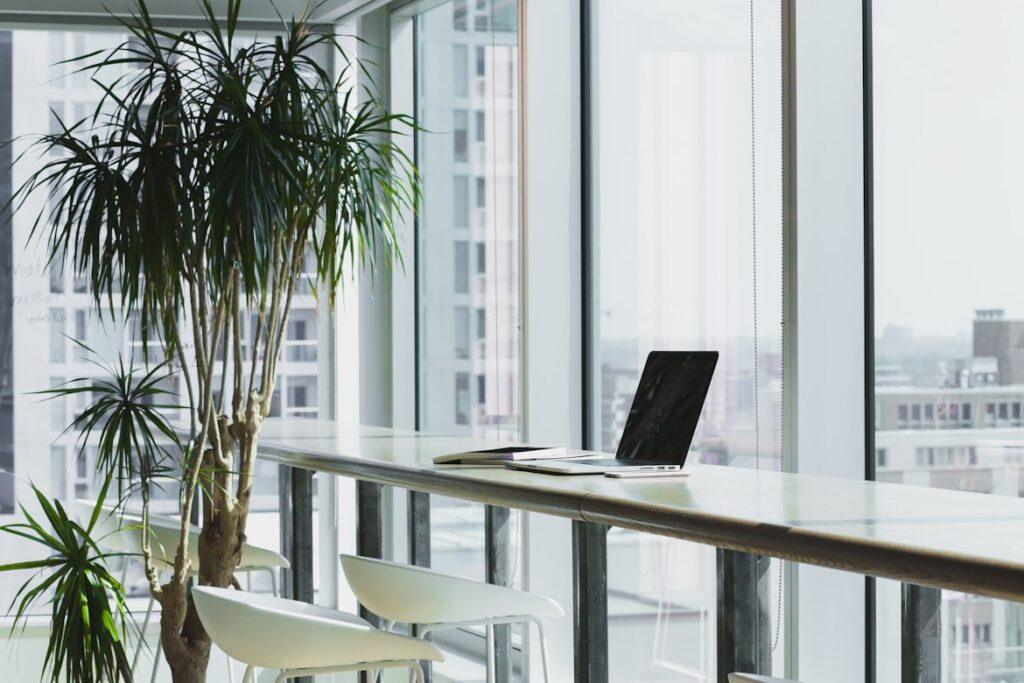
Smart commercial decor choices bring together functional design, durability, and environmental awareness. Choosing long-lasting fixtures, biophilic elements, and circular furniture strategies helps construct modern offices built for long-term use. Businesses can maintain a refined aesthetic while actively reducing waste and supporting workforce health.