Housing sustainability is usually discussed as a performance question. Better insulation, better glazing, better plant. Those measures matter, but they apply to a building that is occupied and maintained, and they do nothing for one standing empty.
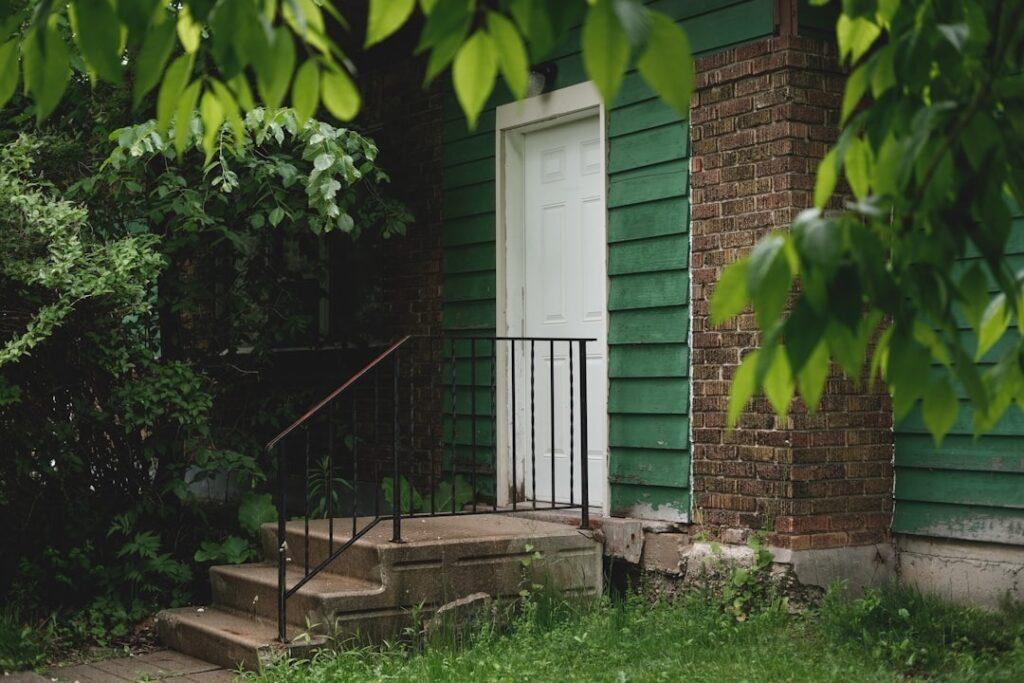
The larger lever in a mature suburb is simpler and less visible: keeping the houses that already exist in use. An occupied, repaired home continues to earn back the carbon and material spent building it. An empty one stops earning and begins deteriorating toward the point where replacement becomes the only economic answer. Long Island holds a great deal of that stock, and operators such as long island cash home buyers purchase houses there in their existing condition, which is one route by which a neglected property returns to use.
That is a commercial function rather than an environmental one, and this article treats it as such. It is worth stating the limit up front: buying or selling a vacant house is not sustainable in itself. What matters is what happens to the building next, and the circumstances under which repair genuinely beats replacement.
What Long Island Actually Has
The region was built quickly and early. Levittown put up around 17,000 houses between 1947 and 1951, and the surrounding towns followed the same template through the 1950s and 1960s.
That leaves Nassau and Suffolk counties holding an enormous stock of homes now roughly 60 to 75 years old. Systems tend to age together across whole streets, so original boilers, undersized electrical panels, single-pane windows and roofs on their third replacement arrive as a cluster rather than one at a time.
That profile is a liability and an asset at once. The houses need work, but they are structurally conventional, well understood by local trades, and already sited, serviced and connected. Replacing them consumes materials that the standing building has already paid for.
Vacancy Is What Ends a Building’s Life
Most homes are not lost to a decision. They are lost to time spent empty, and the sequence is predictable.
- Heating is switched off to save money, and pipes freeze and split.
- Roof leaks continue unnoticed, saturating sheathing and insulation.
- Damp air feeds mold growth through the wall cavities.
- Rodents and insects establish themselves in undisturbed spaces.
- Copper and appliances go missing once a property visibly looks abandoned.
Each stage moves the economics further toward demolition. A house sold within a season is a very different proposition from one that has sat through two winters, and that difference is usually decided by circumstances rather than intent: a probate that takes a year, an owner who has already moved, or repairs no household budget can absorb.
Speed of transfer is therefore an underrated environmental variable. The shorter the vacancy, the more of the building survives in a condition worth keeping.
When Reuse Genuinely Reduces Waste, and When It Does Not
Reuse is not automatically the greener answer, and claiming otherwise weakens the case. It is worth being specific about the conditions.
Reuse tends to win where the structure, foundations and roof line are sound, where the failures are systems rather than fabric, and where the house can be returned to occupancy without being stripped back to the frame. Under those conditions repair keeps the embodied materials in service and avoids a fresh round of concrete, framing and haulage for a replacement.
Reuse tends to lose where foundations have failed, where rot or fire damage is structural, or where the site itself is compromised. A house that has to be gutted and substantially rebuilt can consume more material than a replacement, and pretending otherwise does not survive contact with a surveyor.
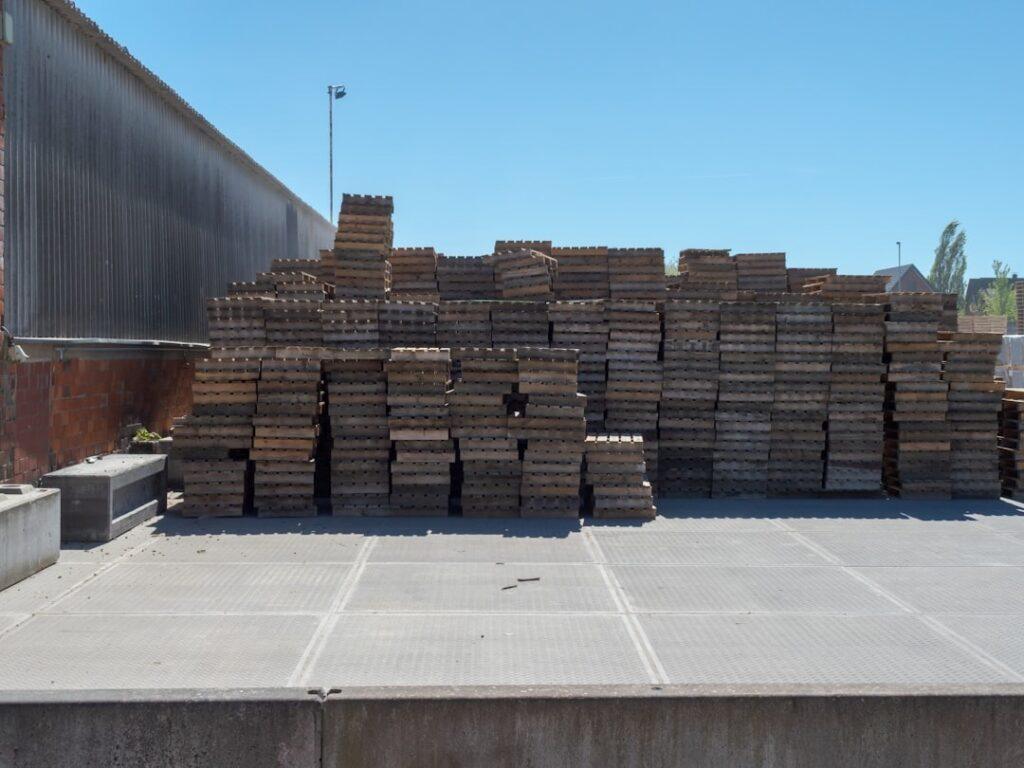
Where replacement genuinely is the answer, the waste question does not disappear. Removing a typical 2,000 square foot single-family home generates in the region of 100 tons of debris, and federal figures put construction and demolition material at roughly twice the tonnage of household trash nationally. Selective dismantling, promoted in the US by trade bodies such as Build Reuse, recovers dimensional lumber, solid doors, trim, brick and fixtures that a mechanical teardown mixes into rubble. It costs more up front and takes longer, which is the honest objection to it.
Not everything repays recovery, either. Value concentrates in dense pre-1970 lumber, solid wood joinery, masonry and serviceable fixtures, while gypsum board, asphalt shingles and mineral wool rarely justify the handling. Sorting on site is what decides whether the remainder is recycled or buried, and it belongs in any serious waste reduction plan.
What Responsible Practice Looks Like in the Transaction
Most of the influence sits with whoever holds the property at the point of sale, and it is exercised through fairly mundane choices.
A sale that does not depend on mortgage approval removes the longest source of delay. A buyer willing to take a property in its existing condition removes the repair negotiation that often stalls a distressed sale for months. A closing date the seller controls removes the drift that follows a probate or a relocation. Cash buyers in this part of the market purchase houses, condos and multifamily properties as-is, which is what makes a short vacancy possible where a conventional listing would not.
Whether a fast as-is sale produces a good outcome depends entirely on what follows it. Repair and return to occupancy extends the building’s life. Resale to a developer who levels the site does not, whatever the transaction looked like.
Sellers have more say in that than they generally realize. Four questions change what happens to the structure: whether the plan is renovation, rental or replacement; whether a salvage crew gets access before machinery arrives; which local reuse outlet takes fixtures and cabinetry; and how debris will be sorted rather than mixed. None of them slow a closing, and they are asked at the one moment somebody is still willing to change the answer.
Keeping the Stock Productive
Occupancy is what converts all of this into a measurable result. Efficiency programs for New York homeowners, including those run through NYSERDA, only deliver savings in a house somebody actually lives in. An efficient empty building saves nothing.
The same constraint applies to the newer models explored under the banner of sustainable housing. They matter for what gets built next, while the stock already standing decides most of the impact between now and then.
For a region like Long Island the practical version is unglamorous: shorten vacancies, repair what is sound, dismantle carefully what is not, and be honest about which is which. The most sustainable house on the block is usually the one already standing, provided somebody is living in it.
Frequently Asked Questions
Is Reusing an Existing Home Always Better Than Rebuilding?
No. Reuse usually wins where the structure, foundations and roof are sound and the failures are in systems rather than fabric. A house needing structural rebuilding can consume more material than a replacement.
What Makes a Vacant House Deteriorate So Quickly?
Unheated pipes, unnoticed roof leaks and stagnant humid air. Mold and rot advance for months before anyone opens the door, and security losses follow once a property visibly looks empty.
Does Selling a House As-Is Mean It Gets Demolished?
Not necessarily, and often the opposite. Many as-is purchases lead to renovation followed by resale or rental. Ask a buyer directly what they intend to do with the structure.
How Much Debris Does Demolishing a House Produce?
Roughly 100 tons for an average 2,000 square foot single-family home. Concrete, masonry and framing lumber make up most of the weight, and sorting on site determines how much is recycled.