Sustainable technology investment is now being driven less by policy support and more by business performance. Nearly 90% of the world’s 4,000 largest companies already connect their decarbonization efforts directly to business value, signaling a clear shift in how sustainability decisions are made.
This shift comes at a pivotal moment. As sustainable technology intersects with entrepreneurship, new opportunities are emerging alongside new pressures. Goldman Sachs Research projects that global power demand from data centers will increase by 165% by 2030, placing unprecedented strain on energy systems. At the same time, the International Energy Agency estimates that clean energy investment will reach 2.2 trillion US dollars in 2025, highlighting how capital is flowing toward advanced, efficiency-driven solutions.
Our research identifies five sustainability technologies poised to reshape business operations by 2026. These innovations address pressing environmental challenges while delivering measurable business benefits, particularly as physical risk premiums are expected to rise by nearly 50% by 2030. Together, they demonstrate how sustainability and profitability are becoming increasingly aligned.
Intelligent Energy Management Platforms for Commercial Buildings
Commercial buildings have become the center stage for groundbreaking energy solutions. Building owners now face growing demand, aging infrastructure, and rising costs. Smart buildings will work more like managed micro-grids by 2026, and real-time energy orchestration will play a crucial role in maintaining resilience and cost efficiency.
AI-powered energy management platforms have grown substantially. They now offer features that revolutionize building operations. These systems use IoT sensors, machine learning algorithms, and cloud-based analytics to monitor and optimize energy use in real-time. AI enables these platforms to:
- Predict peak usage periods and adjust consumption patterns automatically
- Spot equipment faults before they cause failures or waste energy
- Balance loads across building systems for best efficiency
- Generate detailed sustainability reports for regulatory compliance
- Work with utility grids for demand response participation
These systems have proven their worth through impressive returns. Johnson Controls‘ OpenBlue platform cuts energy costs by up to 30% and lowers maintenance expenses by 67% for commercial buildings. Businesses that use AI-driven energy management solutions save 15-30% on energy in the first year. Some even exceed 40% savings when they combine HVAC optimization with lighting and automation controls.
The U.S. Department of Energy expects commercial buildings to provide 80 GW of flexible demand by 2030. This fundamental change will transform them from energy consumers into grid-interactive assets. Buildings can earn new revenue by joining virtual power plants and selling excess energy or load reduction back to utilities.
Supply Chain Visibility Software That Cuts Waste at the Source
Supply chain operations create major environmental effects. Logistics activities cause about 10% of global greenhouse gas emissions. Advanced visibility software has become a vital tool for businesses. It helps them eliminate waste and improve their operations. These platforms do more than track shipments – they transform how companies find and stop waste throughout their supply networks.
The market has noticed the value of real-time visibility platforms, investing about $7 billion since 2022. These solutions are powerful because they offer complete transparency in previously unclear supply chain operations.
Modern visibility platforms go beyond simple tracking. They use artificial intelligence to analyze huge datasets and find patterns and inefficiencies. These AI capabilities let companies:
- Create hotspots on drawings automatically and connect them to business data, making asset digitalization faster
- Pull and check data from shipping documents without manual entry errors
- Turn complex inventory optimization results into clear summaries that show demand changes and service levels
- Spot unusual equipment behavior through sensor data analysis before failures happen
These capabilities bring benefits well beyond efficiency improvements. Companies using AI-driven supply chain visibility cut transportation costs by up to 20%. AI-powered demand forecasting reduces errors by about 50%, which cuts inventory waste.
Next-generation visibility platforms stand out because they predict and prevent problems before they occur. AI algorithms can look at traffic patterns, weather conditions, and delivery schedules to find the most efficient and fuel-saving routes. This proactive approach marks a big change from traditional reactive supply chain management.
Business Wireless Solutions Enabling Low-Impact, Connected Operations
Energy consumption in wireless technology has become a major challenge for businesses working toward environmental goals. Companies increasingly see energy and power demands as core constraints within wireless communication systems, especially as data usage grows across connected operations. This has pushed organizations to rethink how they design and deploy business wireless solutions that can support performance needs while reducing energy use, operating costs, and greenhouse gas emissions.
MIT researchers are leading the transformation with innovative transmitter technology. They have created a new transmitter chip that makes wireless communications more energy-efficient and helps connected devices work better for longer. This advancement works well with existing Internet-of-Things devices and meets the predicted requirements for future 6G technologies.
The telecom industry is moving toward smarter energy use. Cell networks now direct energy beams straight to handsets instead of broadcasting power everywhere. Power amplifiers also use new designs that reduce energy loss while maintaining output power. These changes match the worldwide push for energy conservation.
The market keeps growing faster. Fixed Wireless Access (FWA) provides high-speed broadband through 4G and 5G signals instead of cables. It should reach $655.55 billion by 2033, up from $145.34 billion in 2024, growing at 18.22% yearly. FWA helps connect remote areas without new infrastructure and supports temporary setups for construction sites or events.
By 2026, several wireless innovations will help businesses run more sustainably:
- Energy-neutral access points and edge nodes that harvest ambient energy to power communications infrastructure
- Low-power wake-up radios that remain in sleep mode until needed, dramatically reducing standby power consumption
- Renewable energy integration in distributed components, such as solar-powered antennas and small cells
- Intelligent reconfigurable environments enabling net-zero communication
Digital Twin Technology for Smarter Resource Planning
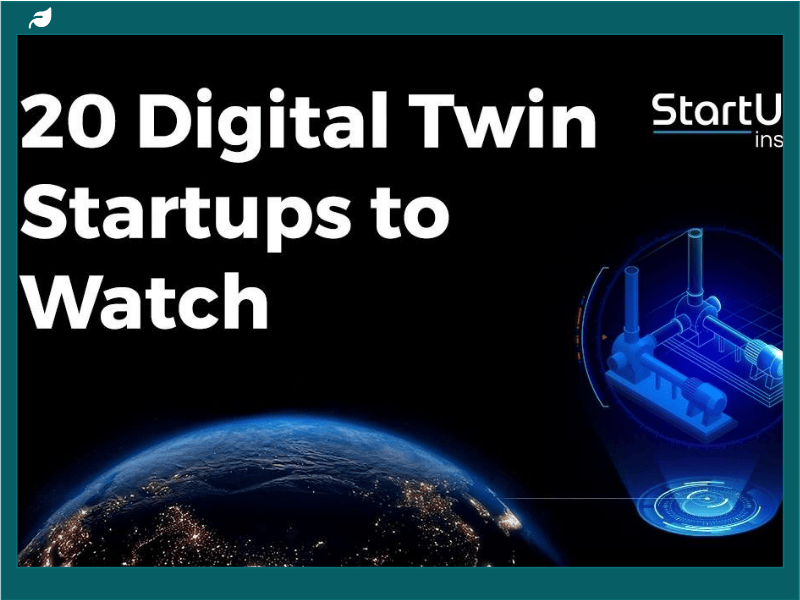
Digital twins are leading the way in green technology by creating virtual copies of physical assets, systems, and environments that help manage resources better. These dynamic models do more than just simulate – they grow and adapt with their physical counterparts. They process data streams in real-time to help make smarter operational decisions.
These twins work as sophisticated links between physical operations and data insights. They’re different from regular simulations that only give static pictures. Instead, they create living environmental dashboards that update based on real-life conditions. The virtual models combine operational metrics with environmental data like energy use, greenhouse gas emissions, water consumption, waste output, and material flows.
You can find practical uses across many sectors. Manufacturing plants use digital twins to watch energy flow across machines and production lines, which helps them spot and fix inefficiencies right away. City planners use them to track noise, pollution, and heat while making traffic and waste management better. Farms and food companies use these twins to optimize their resources through detailed monitoring of environmental data, livestock emissions, fertilizer use, consumption patterns, and supply chains.
Digital twins are great tools for sustainability because they can predict outcomes. Through sophisticated modeling, organizations can:
- Test “what-if” strategies without spending money or taking risks
- Simulate how different environmental factors and human activities affect operations
- Make better choices about resource allocation
- Find the best ways to reduce emissions
- Simplify Scope 3 emission control across complex supply chains
The market for digital twins should grow from USD 16.75 billion in 2024 to USD 110.10 billion by 2029. These numbers show just how important this technology is becoming across industries.
Where Sustainable Innovation Meets Business Reality
Sustainability is no longer treated as a side initiative or a future ambition. The technologies shaping 2026 show how environmental responsibility is becoming deeply embedded in everyday business decisions. Energy management platforms, supply chain visibility tools, efficient wireless connectivity, and digital twins all share one defining trait.
What stands out across these innovations is their ability to deliver clarity and control in complex systems. Businesses gain real time insight into energy use, logistics performance, network efficiency, and resource planning. That visibility allows leaders to act earlier, waste less, and respond faster to changing conditions, all while lowering environmental impact.
As pressure increases on infrastructure, energy systems, and supply chains, the companies that thrive will be those that treat sustainability as a core capability. In 2026, sustainable growth will depend on practical tools that support smarter decisions, resilient operations, and long term value creation.