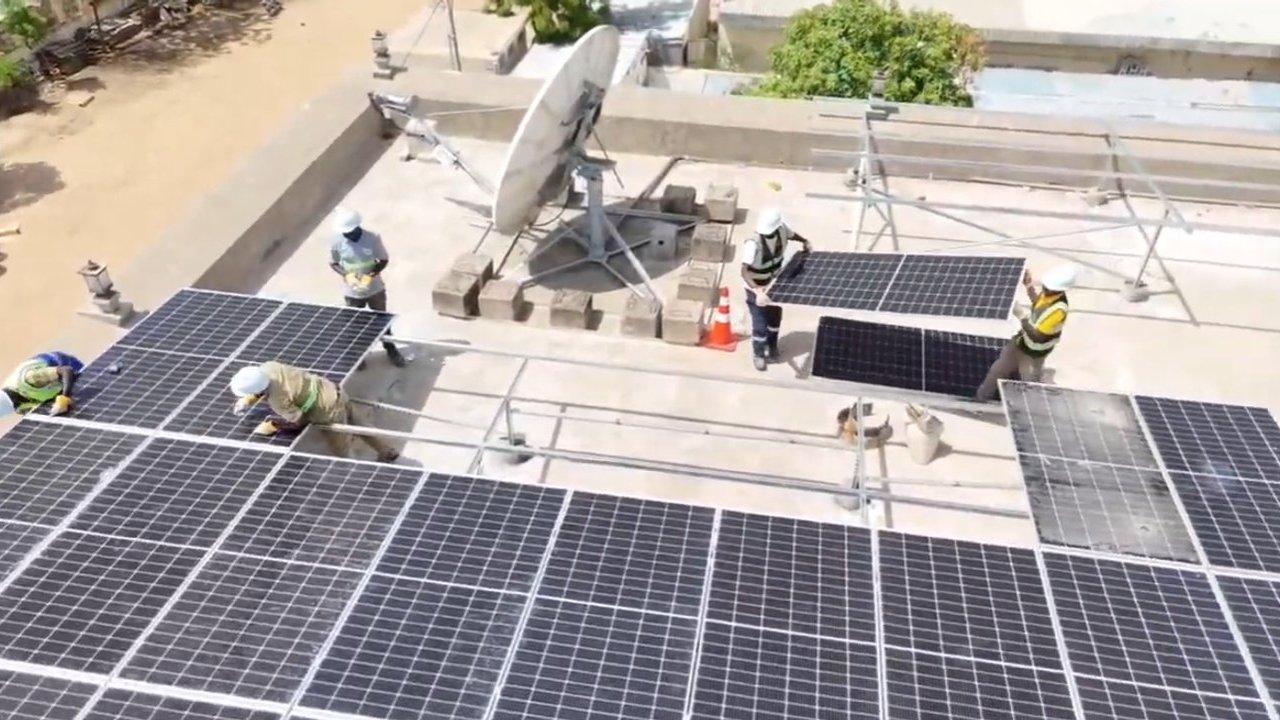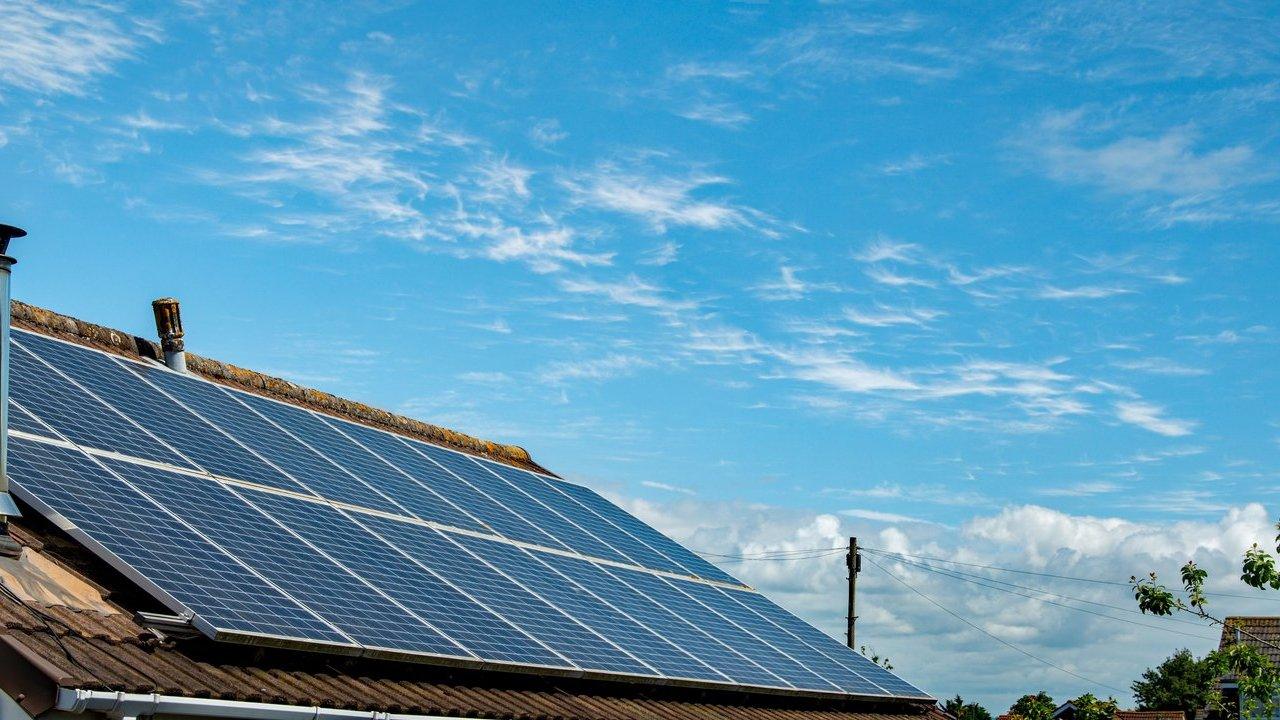
Ofgem has backed an industry initiative designed to make household low-carbon technology connections simpler, with UK Power Networks supporting delivery alongside Energy Systems Catapult, Ideaonomy and SP Energy Networks. The project aims to help households install electric vehicle chargers, heat pumps, solar panels and home storage batteries with fewer connection barriers. Working through the Electricity Networks Innovation Taskforce programme, partners are developing an Innovation Charter and shared roadmap. Its ambition is to support instant, plug-and-play connections for household energy devices and appliances by 2032.
A Shared Industry Challenge
The initiative brings together organisations from across the energy sector, including Octopus Energy, E.ON and Renbee. It responds to the technical, commercial, regulatory and operational issues that can make installing low-carbon technologies more complex for customers.
The Charter is intended to identify practical routes that make adoption quicker and easier while maintaining network safety, resilience and reliability. It also reflects a collaborative approach to an issue that extends beyond any one organisation’s remit.
Sotiris Georgiopoulos, chair of the innovation delivery group for challenge three, said:
“The Innovation Delivery Group was established to tackle strategic challenges that no single organisation can solve alone. Challenge three is a great example of the value of that approach, bringing together partners from across the energy sector to explore how we can accelerate the adoption of low-carbon technologies and create a simpler experience for customers.”
Removing Connection Barriers
The first stage will engage stakeholders and industry experts to identify the main barriers to connecting EV chargers, heat pumps and solar panels without prior approval. Alongside this work, the partners will review existing projects, policies and emerging trends in the UK and overseas.
This research will examine where current approaches are working, where gaps remain and what factors may influence future progress. The resulting findings will be collated into practical pathways for the sector.
For households, the focus is clear: connecting cleaner technologies should become easier to understand and manage. Reducing unnecessary friction could help people make decisions about how they heat, power and travel from home with greater confidence.
From Evidence To Action
Following the research phase, the project will hold workshops with the same stakeholder group to identify promising approaches, agree priorities and shape a plan for the challenge. A presentation on the work is also scheduled for day two of the Energy Innovation Summit in Glasgow.
The final phases will run between October and November, concentrating on turning the project’s findings into a clear action plan. The completed Innovation Charter is due to be published in December.
The process gives industry participants a structured route from identifying practical obstacles through to setting shared priorities. That matters for technologies such as solar PV, batteries, heat pumps and electric vehicle chargers, where straightforward installation can depend on effective coordination across the energy system.
A Simpler Customer Experience
The programme sits within Ofgem’s strategic vision for innovation, which challenges the energy industry to address barriers to delivering a Net Zero energy system. Its 2032 goal places customer experience alongside the requirements of a safe and reliable electricity network.
Jodie Giles, deputy director of the strategic innovation fund at Ofgem, said:
“Challenge three has set the ambitious goal of enabling instant, plug-and-play connections for household energy devices and appliances by 2032.
“This matters because life is busy and we all need easier ways to engage in the energy transition, to create a better future. How we travel, heat and power our homes, and benefit from cleaner, cheaper technology should be seamless and simple. This challenge will reduce friction for everyone who wants to connect low carbon technologies, such as solar PV, batteries, heat pumps and electric vehicle chargers.
“I look forward to seeing the Innovation Charter take shape and how it will help consumers choose and manage energy use.”
By bringing distribution networks, energy companies and technology specialists into the same programme, the project offers a practical route towards making low-carbon home upgrades less difficult for consumers. The December Charter will set out how the sector plans to address the barriers identified through the programme.