New PPAs Double Renewable Electricity Sourced From New Assets Across the Nordics
Carlsberg Group has expanded its commitment to sourcing electricity from newly built renewable energy projects, signing a series of long term Power Purchase Agreements (PPAs) that will supply clean power to its operations in Norway, Sweden and Finland. The deals mark a major step in the company’s decarbonisation strategy, increasing contracted renewable electricity coverage from PPAs from 10 percent to 21 percent.
The agreements, finalised with three separate energy suppliers, ensure that a significant share of electricity used by the group’s Nordic breweries will come from new hydro and wind projects rather than certificates alone. Carlsberg says this approach supports genuine emissions reductions by directly enabling new renewable capacity.
Norway: Run of River Hydropower Set to Supply Ringnes
In Norway, Carlsberg’s Ringnes brewery will purchase 435 GWh of renewable electricity over ten years from the Fennefoss run of river hydropower plant, supplied by Å Energi. Deliveries begin in January 2026.
The PPA will initially provide around 15 GWh in its first year, scaling up to 45 GWh after two years. Once at full volume, the agreement is expected to cover roughly 90 percent of Ringnes’ electricity consumption.
Sweden: Wind Power from Orken Wind Farm
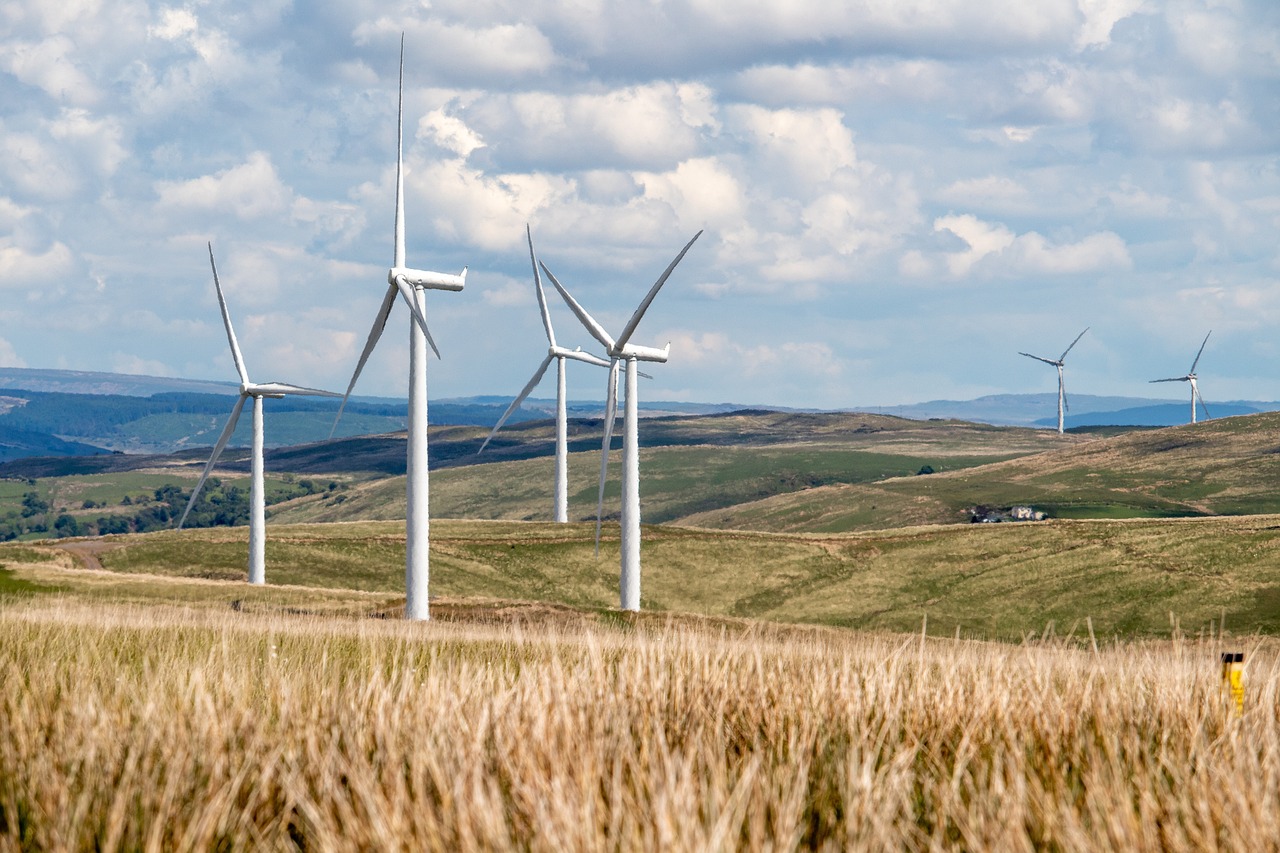
Carlsberg Sverige will source electricity from the Orken wind farm in Halland, operated by RWE. The 8 year PPA begins in January 2026.
Orken has an annual generation capacity of approximately 25 GWh, while Carlsberg Sverige consumes around 32 GWh per year. The PPA is expected to meet about 78 percent of the brewery’s electricity needs.
Commissioned in 2023, Orken adds comparatively new wind capacity to the Swedish grid, aligning with Carlsberg’s emphasis on sourcing from recently built projects.
Finland: Sinebrychoff to Draw Power from Paltusmaki Wind Farm
In Finland, Sinebrychoff has secured a 10 year agreement with Encavis, sourcing electricity from the Paltusmaki onshore wind farm. The installation was commissioned in 2021 and produces roughly 60 GWh annually.
Sinebrychoff uses around 28 GWh of electricity per year, meaning the PPA is projected to cover approximately 90 percent of its consumption once deliveries start in January 2026.
Why PPAs Matter for Real Decarbonisation
Carlsberg’s decision to prioritise PPAs over renewable energy certificates reflects a growing shift among companies seeking more credible climate action. While certificates can be used to match consumption with renewable generation on paper, PPAs are widely recognised for providing additionality by supporting new renewable infrastructure.
By giving project developers long term revenue certainty, PPAs help unlock financing for solar, wind and hydropower assets that would not otherwise be built. This, in turn, increases renewable capacity on the grid and leads to measurable emissions reductions.
Carlsberg says its latest agreements directly contribute to the expansion of Nordic clean energy and demonstrate the company’s intention to go beyond compensatory mechanisms.
Strengthening the Group’s Energy Transition
The three new contracts almost double Carlsberg’s PPA based renewable electricity supply, reinforcing its objective to source all electricity from new renewable assets. As European energy markets continue to adjust to rising electrification and fluctuating supply, long term corporate PPAs have become central to energy strategy, helping companies stabilise costs while decarbonising operations.
Carlsberg’s Nordic breweries represent an important part of its regional footprint, and the shift to PPAs is expected to provide both environmental benefits and increased visibility over long term energy planning.
The company says the agreements demonstrate a commitment not only to reducing emissions but also to contributing directly to the build out of renewable infrastructure in the regions where it operates.