The maritime industry stands at a critical juncture, facing increasing pressure to reduce its environmental footprint. Grafmarine, a Manchester-based technology firm, has launched NanoPredict, an AI-powered energy optimisation and weather management solution, aiming to revolutionise emissions control in the shipping sector. This innovation represents a pivotal step toward sustainable maritime operations.
The Growing Need for Emission Reduction
Shipping accounts for approximately 3% of global carbon emissions, and projections indicate that this figure could rise to 10% by 2050 if the industry maintains its current growth trajectory. With over 90% of global trade goods transported by sea, reducing fuel consumption and emissions has become a primary focus for fleet operators, policymakers, and sustainability advocates.
Regulatory frameworks such as the International Maritime Organization’s (IMO) carbon intensity indicator (CII) and customer-driven sustainability demands are compelling companies to seek greener solutions. NanoPredict arrives at a crucial moment, offering tangible reductions in emissions and operating costs.
NanoPredict: A Technological Breakthrough
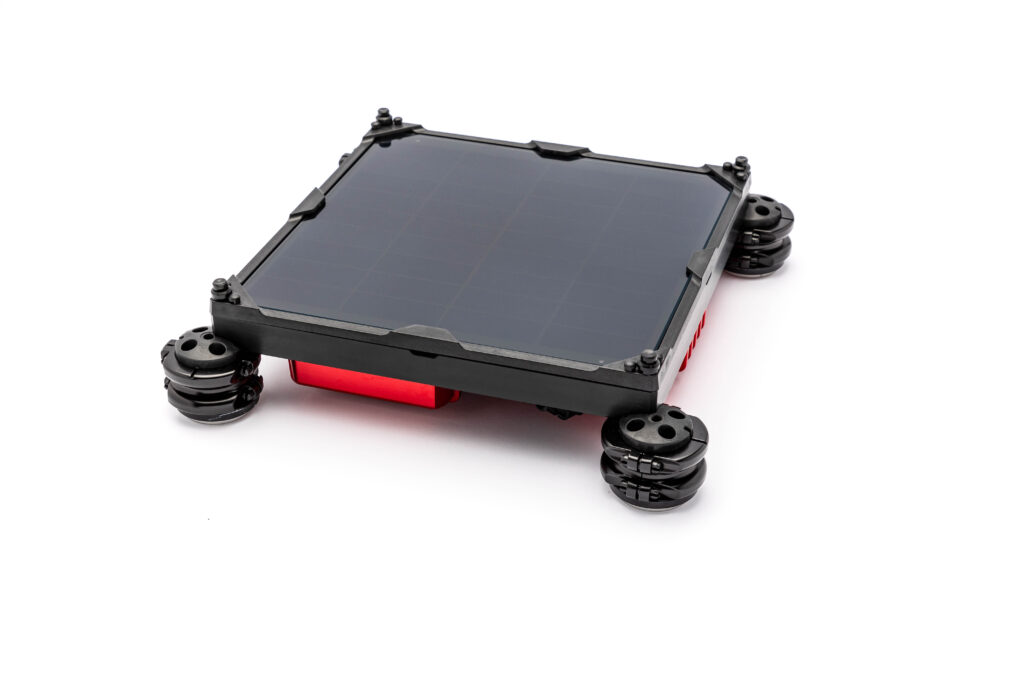
Developed in collaboration with AI Foundry, a consortium of leading UK universities specialising in artificial intelligence research, NanoPredict integrates with Grafmarine’s existing NanoDeck tile system. These solar-based tiles capture, store, and remotely manage clean energy aboard vessels. Now, with AI-driven insights sourced from 20 years of weather data along major shipping routes, NanoPredict optimises engine performance, reducing fuel costs by up to 10%.
More significantly, the software enables vessels to achieve an additional 20% fuel efficiency, particularly crucial given that ships spend up to 40% of their operational time either anchored or waiting for port entry. This dual-technology approach enhances energy efficiency and provides ship operators with data-driven decision-making capabilities to optimise their voyages.
Martin Leigh, Founder and Director at Grafmarine, emphasised the transformative potential of the software:
“Our NanoPredict software will play a transformative role in the maritime industry’s strive towards net zero. Depending on the time of year, ships will leave port and the NanoDeck and NanoPredict technology will work in unison, analysing the weather forecast, tracking energy usage and capture across various points in the journey, and determining the optimal times to utilise stored energy. These technologies working together will ultimately save money and help to protect the environment.”
Industry Collaboration Driving Innovation
Grafmarine’s involvement in a Collaborative R&D programme, facilitated by Turing Innovation Catalyst Manchester, further underscores the importance of industry-academic partnerships in accelerating technological advancements. This initiative fosters collaboration between businesses and researchers to enhance private investment in research and development.
Nigel Marc Roberts, Chief Executive Officer at Grafmarine, highlighted the role of AI in improving the NanoDeck solution:
“Working with academics, we are looking at the best ways to add additional value to the NanoDeck solution through AI optimisation, which in turn will deliver more energy, lower carbon emissions and return on investment for the client. This is an ingenious solution, as the AI technology will automatically and autonomously help these shipping companies as they target more sustainable ways of operating.”
A Step Towards a Greener Maritime Future
The maritime industry is under mounting pressure to align with global sustainability goals, and solutions such as NanoPredict offer a viable pathway toward decarbonisation. Liz Scott MBE, Executive Director at Turing Innovation Catalyst Manchester, reinforced this sentiment:
“It’s fantastic to see a promising Manchester business, and a participant in our Collaborative R&D programme, taking great strides to deliver positive global impact – and actively tackle the climate emergency – through AI innovation. The launch of this solution to market, and the ongoing growth of Grafmarine, will be transformative in the decarbonisation of the maritime industry.”
By leveraging AI and renewable energy integration, Grafmarine’s NanoPredict presents an opportunity for fleet operators to reduce both costs and emissions, contributing to a more sustainable maritime industry. As international regulations tighten and consumer expectations evolve, innovations such as these will play a crucial role in shaping the future of global shipping.
For more information on NanoPredict, visit www.grafmarine.com.