Ocean Day at COP31 in Antalya brought nearly USD 1 billion in mangrove-positive investment, approximately $20 million in new coral reef commitments and several new ocean-climate initiatives. The announcements centre on finance, national climate planning and delivery support for coastal and island countries. The UNFCCC conference also saw France and Brazil launch a Blue NDC Implementation Taskforce, while the COP31 Presidency published the Antalya Ocean and Seas Compact. Together, the measures place marine ecosystems and ocean-based action firmly within the practical agenda for climate mitigation and adaptation.
Coral Reef Finance
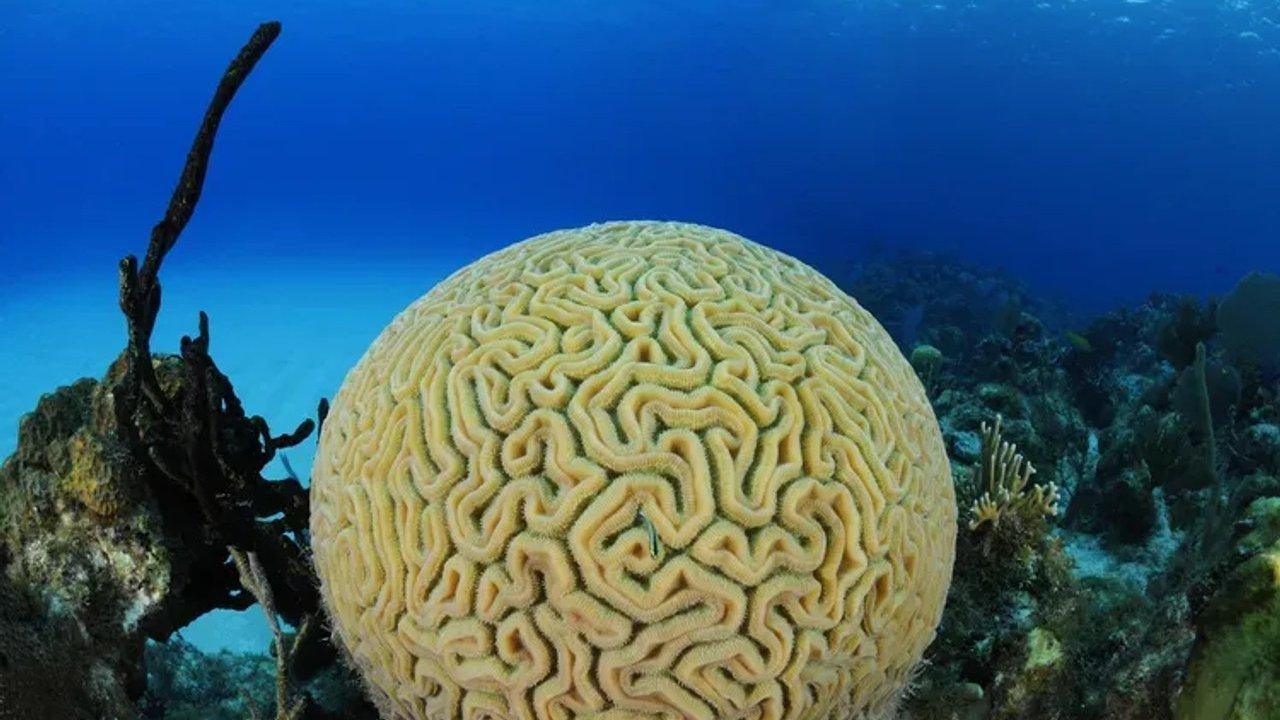
The Global Fund for Coral Reefs announced approximately $20 million in new commitments from the UK, Germany and Ireland. The total includes £11.8 million from the UK, €4 million from Germany and €1 million from Ireland.
The fund also plans to deploy a further $10 million across coral reef conservation initiatives in Mexico, Belize, Honduras, the Philippines, Tanzania and Indonesia. The funding recognises that coral reefs sit within connected marine systems, alongside mangroves and seagrasses, and that investment and governance need to reflect that relationship.
Yabanex Batista, Deputy Director of the UN Global Team for the Global Fund for Coral Reefs, said:
“The importance of announcements like this, and the funding that comes with it, is that our partners recognise that conserving coral reefs is not separate from working on mangroves, on seagrasses, on the full set of marine ecosystems, because these ecosystems are connected. And that means that governance of the ocean and finance for the ocean also need to be connected. That is the key. Negotiations may be slow in recognising this, but we don’t need to wait for a text to be approved by any COP for the action to start happening. When you go to the ground and when you go to the water, the communities already know this. Local civil society already knows this, and they are already working in compound, synergistic systems. We need to support them.”
Mangrove Investment Momentum
Nearly USD 1 billion has been mobilised in mangrove-positive investment since 2020, according to the Mangrove Breakthrough’s newest report, with a 32% increase in 2025. More than 300 project sites in almost 50 countries are now mapped for investors, creating a clearer pipeline for projects seeking finance.
Transaction Accelerators in Brazil, Mexico, Indonesia and the Philippines are helping projects become investment-ready and reach financing. Fifty governments holding more than 60% of the world’s mangroves have endorsed the Breakthrough, while 19 have referenced mangroves in their Nationally Determined Contributions.
A Mangrove Catalytic Facility is also being established to de-risk early-stage deals and encourage private capital. Dutch international marine contracting company Van Oord announced that it had joined the Mangrove Breakthrough, reflecting the expanding participation around mangrove conservation.
Ocean Compact Takes Shape
The COP31 Presidency has published the Antalya Ocean and Seas Compact to accelerate ocean-based climate action and improve access to finance and technical support for coastal countries, including small island developing states. It calls on Parties to include ocean measures in Nationally Determined Contributions and National Adaptation Plans where relevant.
The Compact also seeks stronger ocean observation and early-warning systems in vulnerable countries. Its publication gives ocean action a prominent place in Türkiye’s COP31 agenda and offers a platform for continued support beyond the conference.
Jessie Turner, Executive Director at International Alliance to Combat Ocean Acidification, stated:
“The Ocean Compact builds on a decade of civil society and party engagement outside the negotiations, which has built a real groundswell of attention on ocean at the UNFCCC – not just as a theme, but as something that needs to be integrated across the ways we think about climate policy, climate finance, mitigation and adaptation. As one of the first Presidency compacts focused specifically on the ocean, it positions the ocean as a pillar of Turkey’s COP legacy and leadership. Placing this pillar so firmly in the action agenda signals that the ocean is central to how we deliver on our commitments, including our global stocktake goals by 2028.”
Implementation Support Expands
France and Brazil formally launched the Blue NDC Challenge Implementation Taskforce at COP31. The coalition comprises 27 countries across Africa, Asia, the Americas, the Caribbean, Europe and the Pacific, and builds on groundwork laid since the third UN Ocean Conference in 2025.
The taskforce will support members as they turn existing ocean-climate commitments into delivery, with the stated focus on reducing emissions, building resilience and protecting marine ecosystems. The initiative is a timely response to the gap between commitments and the finance, capacity and technology needed to carry them out.
Marine Lecerf, Head of International Policy at Ocean & Climate Platform, shared:
“The Blue NDC challenge is a global call by France and Brazil to integrate ocean-based measures within national climate strategies, and I’m happy to announce that today, the two countries have officially launched an implementation Task Force of the Blue NDC Challenge, which means that it will provide countries with tailored support to translate these existing ocean climate commitments into concrete action and make sure we can accelerate action together. So really providing a space for countries to work together around these ocean-based solutions and make sure that they’re driving concrete delivery.”
Plans Need Delivery
A new World Resources Institute analysis found that 95% of coastal and island countries now include ocean-based climate action in their NDCs, up from 73% in 2022. Yet more than 60% of those commitments depend at least partly on external support.
Adaptation accounts for roughly 70% of ocean actions across 108 NDCs, while offshore renewables, low-carbon aquatic foods and phasing out offshore oil and gas make up just 12% of commitments. Only 16% of ocean actions explicitly address equity or a just transition. COP31 Ocean Day’s finance commitments, compact and implementation taskforce offer practical routes for countries seeking to convert those plans into action.