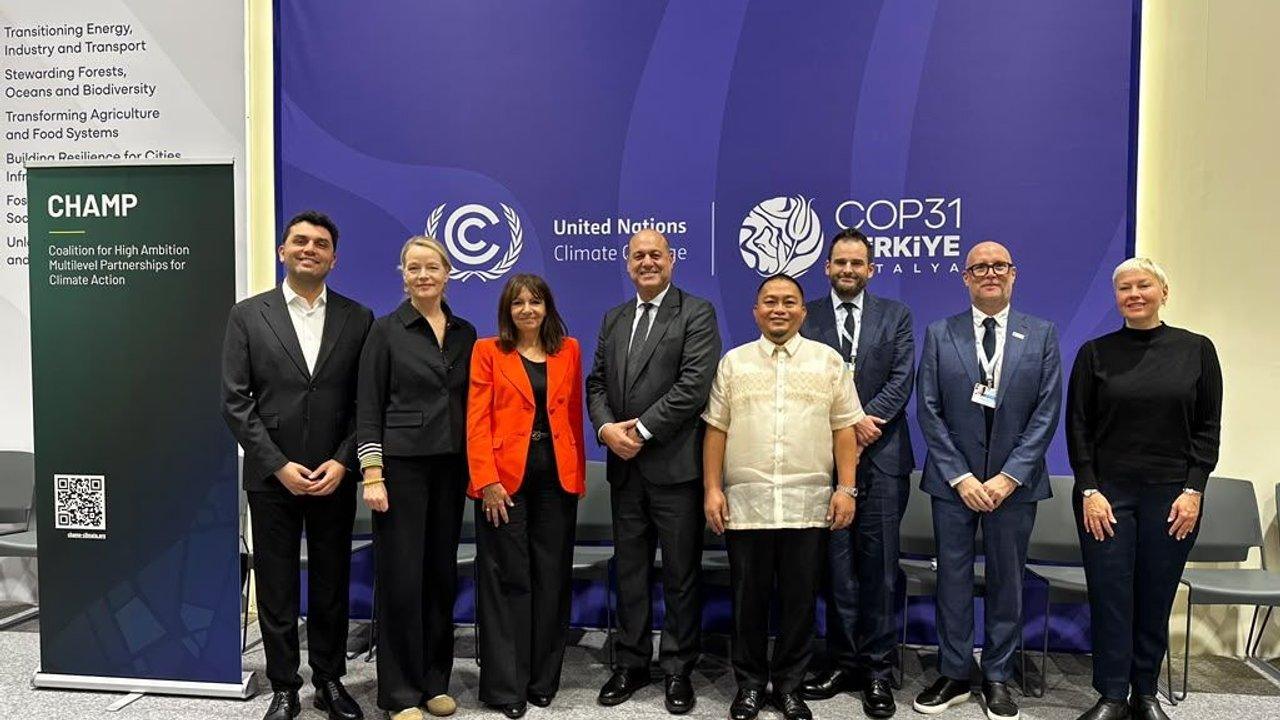
The Coalition for High Ambition Multilevel Partnerships for Climate Action, CHAMP, has brought mayors, governors and regional leaders together at COP31 in Antalya, Türkiye, to endorse its COP31 Statement and establish priorities through to 2027. The second meeting of the CHAMP Subnational Advisory Council united representatives from five continents around stronger cooperation between national and subnational governments. Established during London Climate Action Week 2026, the eight-member Council, comprising five mayors and three regional leaders serving two-year terms, provides direct input to CHAMP’s 80 endorsers. Its latest statement calls for stronger multilevel governance, greater local participation in global climate processes and increased investment in implementation.
A Council For Local Delivery
CHAMP’s Subnational Advisory Council is co-facilitated by the Global Covenant of Mayors for Climate & Energy and the Under2 Coalition, working alongside C40 Cities and the World Resources Institute, which acts as secretariat for the CHAMP Coalition. The gathering examined where cooperation across tiers of government can accelerate climate action, where existing policies are falling short, and how local experience can inform the year ahead.
The Council’s formation reflects the practical reality that cities, states and regions are responsible for much of the delivery needed to turn international commitments into projects and services. Its work places local experience directly alongside national climate planning, with a focus on coordinated delivery.
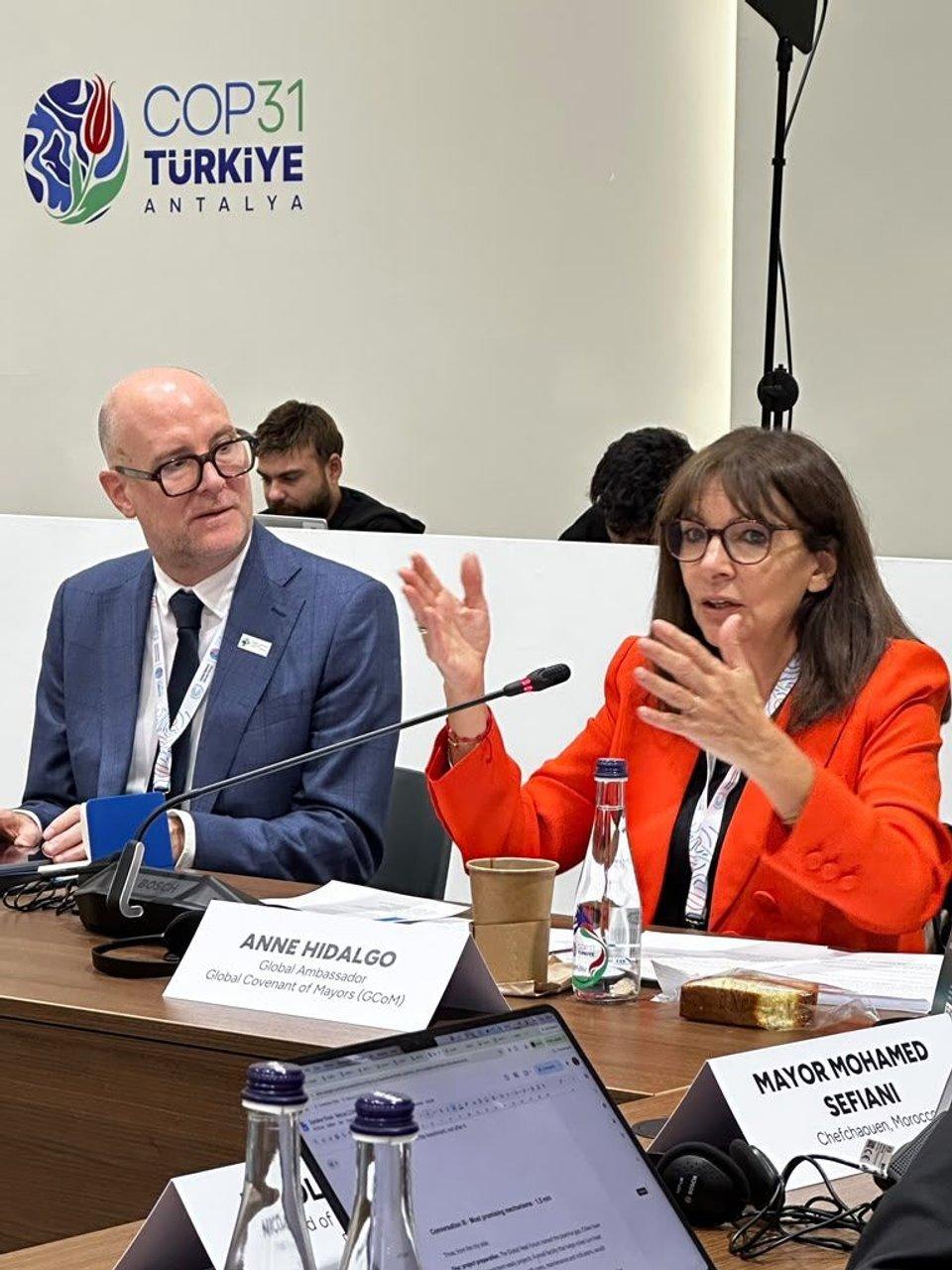
Anne Hidalgo, Chair of the CHAMP Subnational Advisory Council & GCoM Global Ambassador, said:
“Cities and regions are delivering climate action every single day – by building affordable, climate-resilient housing, addressing the impacts of extreme heat and weather events, and ensuring vulnerable communities have access to clean and reliable energy. The Subnational Advisory Council exists to ensure this ambitious local action helps shape international goals and priorities, and that national governments and subnational leaders plan, finance and deliver together. Our session today outlined where this partnership can make the greatest collective difference over the next twelve months and set a direction for CHAMP signatories to follow.”
A Joint COP31 Statement
The CHAMP SAC and CHAMP Steering Group released the COP31 Statement jointly, marking the first occasion on which national and subnational leaders in the coalition have set out a shared position on translating climate ambition into delivery. The document places multilevel collaboration at the centre of implementation, recognising the importance of connecting national goals with local conditions, capabilities and investment needs.
Among its priorities is greater recognition for subnational governments within the Second Global Stocktake process, alongside stronger use of local evidence and expertise when assessing climate progress. The statement also calls for deeper integration of subnational governments into global climate processes under the UNFCCC.
Minister Thekla Walker, Baden-Württemberg, Germany, said:
“Climate commitments made at the national level are only as strong as the systems in place to implement them locally. Today’s CHAMP Subnational Advisory Council session sought to ensure subnational leaders are not simply informed of decisions, but are shaping them. That is the kind of multilevel governance the Paris Agreement requires.”
Finance And Coordinated Planning
The statement groups its priorities under three pillars in the CHAMP Implementation Roadmap. Alongside multilevel climate governance, it calls for partnerships that allow Nationally Determined Contributions, National Adaptation Plans and sectoral initiatives to be implemented through coordinated action across levels of government.
Finance is the third pillar. CHAMP identifies stronger project preparation support, links between local investment pipelines and financing opportunities, and improved access to climate finance for cities, states and regions as essential areas for action. These measures speak directly to the gap between defining climate targets and funding the work required to meet them locally.
Mayor Mohamed Sefiani, Chefchaouen, Morocco, said:
“The second CHAMP Subnational Advisory Council meeting honed in on the pressing barriers slowing implementation to deliver solutions. Unlocking climate finance for cities and regions is a critical priority that CHAMP endorsing countries must seriously work towards. This is a subnational priority that requires communication with national governments to achieve.”
Shared Priorities For 2027
The Council’s COP31 meeting gives CHAMP’s signatories a defined direction for the next twelve months, with local delivery positioned as a central component of national climate progress. The initiative connects leaders working in regions with different circumstances but similar needs for resilient infrastructure, clean mobility, adaptation and accessible finance.
The emphasis on inclusive multilevel governance also gives smaller and vulnerable municipalities a clearer place within climate decision-making. For CHAMP, the value of the Council lies in making sure that policy ambition is informed by the authorities expected to deliver it on the ground.
Mayor Alfredo Coro, Del Carmen, Philippines, said:
“Serving on the CHAMP Subnational Advisory Council reinforces a fundamental truth: national climate targets cannot be achieved without frontline, vulnerable and active local governments at the decision-making table. CHAMP was established precisely to foster this high-ambition multilevel partnership, and PhilLOCAL is that vision brought to life in the Philippines. This collaboration is testament to just, inclusive, and localized governance – connecting climate science, culture, digital tools, and financing opportunities with smaller, highly vulnerable island and coastal municipalities like Del Carmen.”