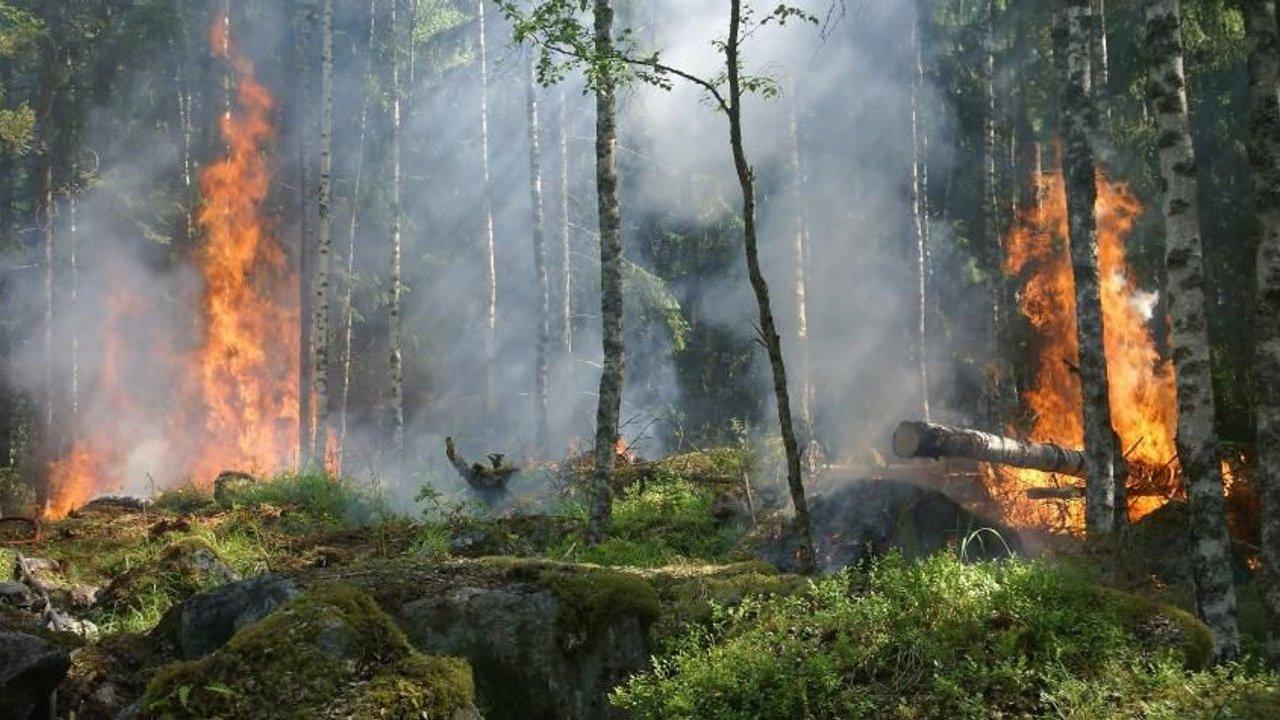
Nature4Climate has presented the Antalya Action Plan at COP31, with more than 30 countries backing a shared agenda for wildfire prevention and resilience. Brazil, Canada, Indonesia, Türkiye and the UK are among the countries supporting the plan, which sets out four priorities covering international cooperation, landscape management, data-led risk reduction and wider access to training and technology. The announcement responds to the increasing pressure wildfires are placing on forests, which accounted for 42% of global tree cover loss in 2025. Framed through the UNFCCC process, the plan places forest protection firmly alongside climate resilience and international cooperation.
A Shared Fire Response
The Antalya Action Plan calls for countries to strengthen mutual assistance and resource sharing, while advancing adaptive approaches to natural landscape management. It also identifies early warning, prevention, traditional fire practices and data-driven risk reduction as central parts of a more coordinated response.
Its emphasis on practical capacity recognises that wildfire management extends beyond emergency response. Expanded access to resources, training and technology is included as a core priority, alongside cooperation between governments facing different but increasingly connected forest-fire risks.
Amy Duchelle, Senior Forestry Officer and Team Leader of Forests and Climate at FAO, said:
“I’ve been participating in the UNFCCC process for 15 years, and I’ve never seen fire and the issue of integrated fire management at this level. Every country is now seeing the growing risk to its forests, and understanding that we all need to come together to protect them. Forests are our greatest asset in meeting the goals of the Paris Agreement. If we lose the world’s forests, we’ve lost the game.”
Forests And Carbon Confidence
The plan’s arrival at COP31 also connects wildfire prevention with the credibility of forest carbon initiatives. Forest loss can weaken the ecosystems on which nature-based climate action depends, while increased fire risk can affect the long-term security of emissions reductions associated with forest protection.
For countries seeking investment in forests, resilient landscapes and effective fire management can support the conditions needed for carbon credit markets to operate with confidence. The action plan positions wildfire resilience as a matter of environmental protection, public capability and economic assurance.
Vickram Bharrat, Minister of Natural Resources of Guyana, said:
“This plan is definitely a positive sign. Forest fires are a real threat, and they hit forested countries. If we can put this action plan into practice to protect our forests, it will safeguard their forest stock, strengthen the integrity of their carbon credits, and build the confidence of investors, especially the private sector, to invest in our forests.”
Wildlife Enters Climate Debate
COP31 has also seen the launch of the Wildlife for Climate Declaration, championed by Zimbabwe. The declaration aims to bring governments together around the protection of wild animals as part of climate action, recognising their role in healthy ecosystems, natural carbon storage and climate resilience.
Twenty countries had signed the declaration at launch, with further participation expected. It calls for wildlife protection to be incorporated into international climate policy and national climate and biodiversity strategies, bringing biodiversity conservation closer to the centre of climate discussions.
Matthew Collis, Senior Director at International Fund for Animal Welfare, said:
“The Wildlife to Climate Action Declaration was launched, with over 25 countries signalling that they want to see wildlife conservation as part of climate action. We’re really excited to see the group of countries that got behind this, primarily from the Global South, some of the most important countries for wildlife conservation on the planet, but we want to see more countries joining this declaration and making this link between climate action and biodiversity conservation. We need all hands on deck to help us tackle the climate crisis. All paws, all fins, all trunks, all beaks”
Forest Action Across Countries
The COP31 programme has also highlighted forest initiatives across several countries. Madagascar has launched the Ala Velona Programme, a jurisdictional REDD+ initiative covering approximately 4 million hectares of rainforest across 13 regions. The programme covers about 55% of Madagascar’s forests and has the potential to generate an average of 6 million tonnes of emissions reductions annually.
Elsewhere, Colombia, Ghana and Peru have signed the Antalya Statement on carbon credit markets, taking total support to 17 countries. Papua New Guinea has signed a memorandum of understanding with Emergent, coordinator of the LEAF Coalition, to explore future high-integrity forest carbon credit transactions, subject to independent verification, legal compliance and further negotiations.
Nigeria has also launched its Securing Nigeria’s Forest Future Country Package, a national plan focused on forest protection, restoration, biodiversity loss and climate resilience. Together, these announcements illustrate the breadth of forest action now being discussed at COP31, from fire prevention to finance, restoration and wildlife protection.
Resilience Beyond Emergency Response
The Antalya Action Plan gives countries a clearer shared basis for addressing wildfire risks before fires take hold, while also supporting the capacity needed to respond when they do. Its combination of international assistance, traditional knowledge, prevention measures and technology reflects the varied conditions faced by forested nations.
As COP31 links wildfire resilience with forest protection, carbon market integrity and biodiversity, the plan offers a constructive platform for cooperation. Its value will rest on how effectively participating countries turn its priorities into sustained action for forests and the communities that depend on them.