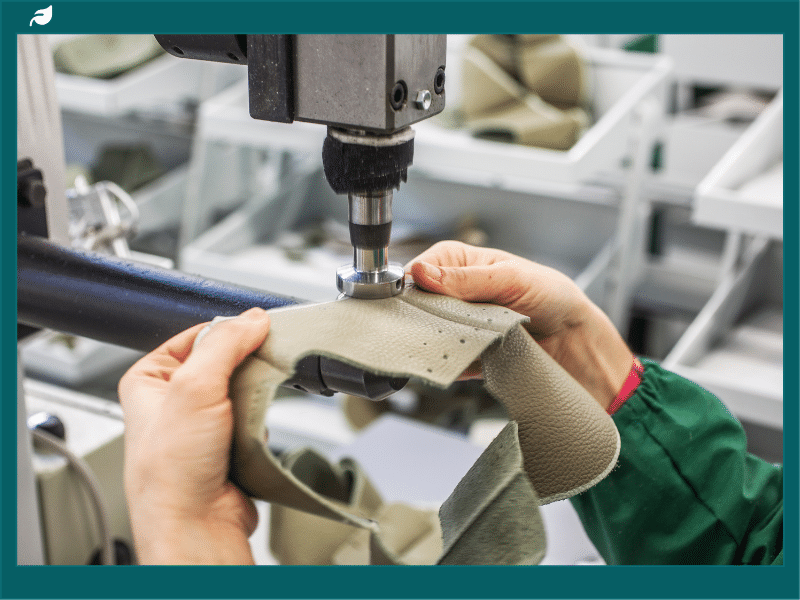
A tannery worker checking a wastewater reading before a batch of leather ships out might seem like a small production detail. Today, however, decisions like this are part of a much bigger shift in how footwear is manufactured.
Sustainable sourcing has moved beyond a marketing footnote and become a practical consideration across the industry. For private label brands, this matters because material choices and supplier practices can influence both product quality and brand reputation. As environmental expectations continue to rise, manufacturers are being pushed to make sustainability part of everyday operations rather than something added to the conversation after production is complete.
Why Leather Became the Industry’s Main Pressure Point
Footwear has long relied on leather, but producing it carries a significant environmental footprint. Tanning can involve substantial water use and chemical processing, while a fragmented global supply chain can make material traceability difficult.
This complexity is one reason leather became an early focus of sustainability efforts in footwear. For private label brands, the issue matters even more because sourcing decisions are often handled through manufacturing partners. Brands increasingly need to consider not just how a finished shoe looks and performs, but where its materials come from and how they are processed. As environmental expectations rise, responsible leather sourcing is becoming a practical part of modern footwear production rather than simply a marketing consideration.
What Changed the Industry’s Baseline
The Leather Working Group, a non-profit founded in 2005 with input from WWF and Greenpeace, built the certification system that actually shifted the conversation. LWG audits tanneries against a standardized protocol covering water use, chemical management, and waste treatment, certifying facilities at bronze, silver, or gold.
The scale is genuinely significant. According to Leather Working Group’s own 2024 year-in-review, the organization operated in more than 60 countries, partnered with over 600 brands, and engaged with more than 2,000 LWG-certified suppliers that year alone. That’s a real, functioning benchmark a meaningful share of the global leather industry now operates against, not a niche label.
What This Looks Like on the Factory Floor
Sustainable sourcing shows up as specific, practical changes once a manufacturer stops treating it as a marketing claim:
- Sourcing leather specifically from LWG-certified tanneries, rather than the cheapest supplier available
- Tracking chemical inputs through tanning, since roughly 90% of leather is still tanned with chromium
- Building traceability that can withstand scrutiny, not just a supplier’s own unverified claims
- Choosing durability as part of the sustainability equation, since a longer-lasting shoe lowers the environmental cost per wear
None of this happens by default, it requires a manufacturer to actively prioritize sourcing decisions a purely cost-driven supply chain would otherwise skip past.
Why Private Label Brands Carry Extra Exposure Here
Private label manufacturing comes with a particular kind of accountability that generic wholesale sourcing doesn’t. A brand putting its own name on a shoe, rather than reselling something unbranded, has a direct stake in where the materials came from, since any sourcing problem becomes the brand’s problem the moment it surfaces.
This is exactly where working with an established private label high heels manufacturer matters. Joes Footwear, with 17 years of private label manufacturing experience, gives brands a genuine say in material sourcing rather than leaving them to simply accept whatever a generic overseas supplier offers.
What This Actually Costs, and Why Brands Absorb It Anyway
Sustainable sourcing isn’t free. LWG-certified leather typically costs more than uncertified material, since certified tanneries carry genuine compliance costs, better wastewater treatment, documented chemical management, and regular third-party audits that uncertified competitors simply don’t have to fund. That cost tends to work its way into the wholesale price a private label brand pays.
Brands are absorbing this cost increasingly often anyway, and the reasoning isn’t purely altruistic. Retail buyers and wholesale partners are asking sourcing questions during vetting that they simply didn’t ask a decade ago, and a brand that can’t answer them credibly risks losing shelf space or partnership opportunities entirely. In that sense, sustainable sourcing has quietly become a competitive requirement as much as an ethical one.
Does This Actually Improve the Product, or Just the Optics?
It’s worth asking directly, since sustainability claims are easy to make and harder to verify. The evidence suggests it’s more than optics. Tanneries investing in better water treatment and chemical management tend to produce more consistent leather, since tighter process control reduces the batch-to-batch variation that shows up as inconsistent color, texture, or durability. Manufacturers building real traceability into their supply chains also catch quality problems earlier, before they reach a customer.
Conclusion
Sustainable sourcing is becoming a more important part of the private label footwear industry, turning environmental responsibility from a marketing message into a practical standard. Certifications such as the Leather Working Group give brands a clearer way to assess sourcing practices, while responsible manufacturers can help ensure those standards are reflected throughout production.
For private label brands, choosing manufacturing partners that take sustainability seriously can strengthen not only the product itself, but also the credibility and long-term reputation of the brand behind it.