Garage door maintenance has a direct and often overlooked impact on the carbon footprint of a home. Smart choices in upkeep, component selection, and waste handling can significantly reduce emissions over time. Understanding the sources of environmental impact in routine garage door work helps homeowners make informed, sustainable decisions.
Residential garage doors and gates are essential for household security and convenience, but their upkeep can generate unnecessary environmental impacts. Every maintenance or repair activity, from routine inspections to emergency fixes, involves choices that influence resource use and operational efficiency. By considering proactive scheduling, similar to the approach in commercial environments with planned loading dock maintenance, and by selecting greener materials, homeowners can lessen both direct and indirect emissions. This approach supports a broader commitment to sustainability without disrupting your home’s daily needs.
Why garage door care connects to sustainability
Homeowners may not immediately see their garage door as a contributor to environmental issues, but maintenance activities quickly add up. Frequent service calls, early component replacements, and disposal of malfunctioning parts all generate emissions, especially when each stage involves transportation and resource consumption.
Focusing on durability and reliability reduces the total number of repairs and premature replacements over a garage door’s lifespan. A longer-lasting system helps minimize a household’s environmental impact, cutting down on the embedded energy and materials involved in repeated repairs.
Pinpointing emission sources in routine workflows
A significant portion of emissions stems from service vehicle miles, the trips made by technicians for diagnosis, repairs, or follow-ups. Inefficient scheduling or multiple return visits intensify fuel use and produce more greenhouse gases associated with even simple repairs.
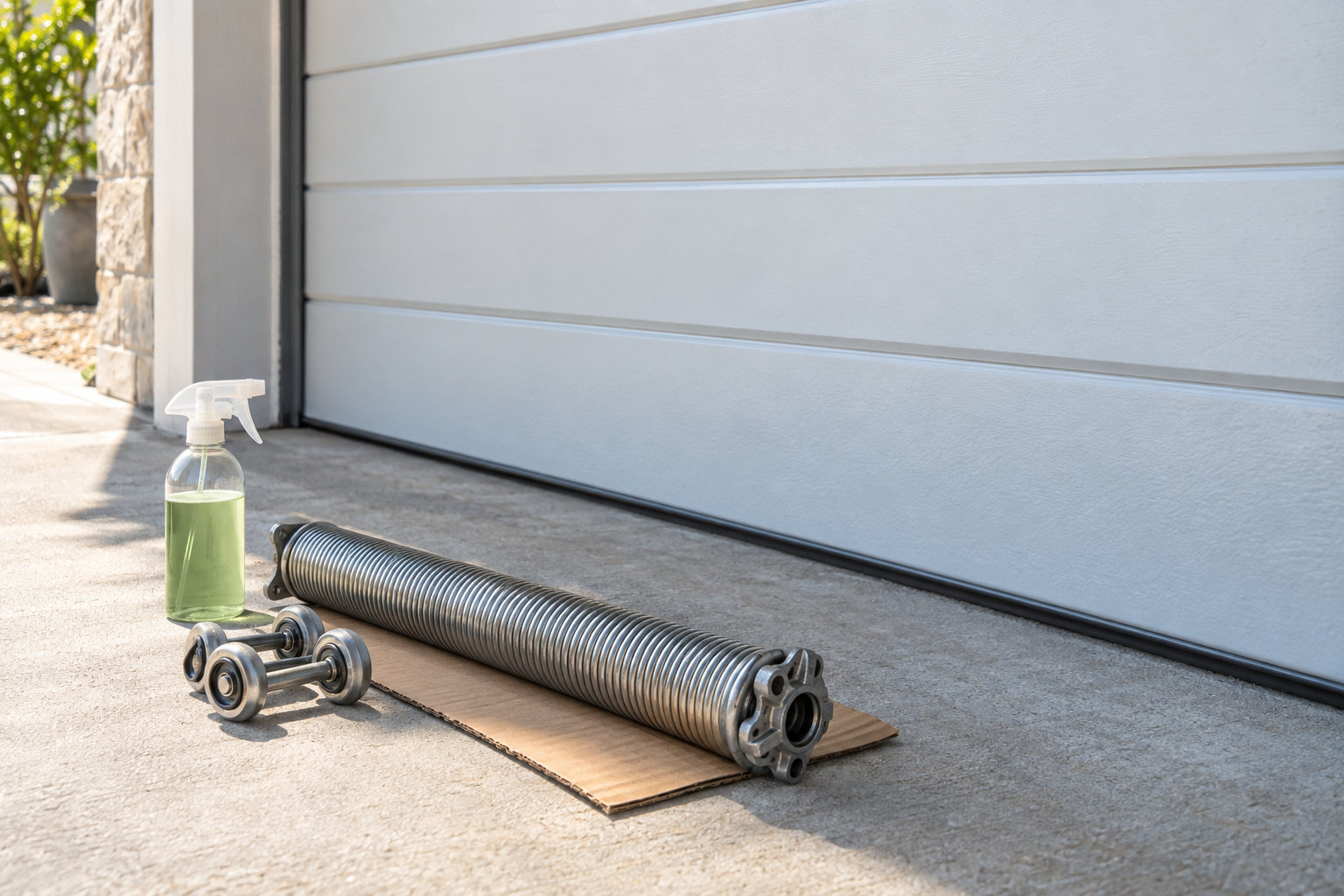
Materials factor in as well; replacing springs, rollers, weather seals, or panels often involves metals, plastics, and chemical packaging with varying footprints. When components reach end-of-life, improper disposal or limited recycling options lead to more waste in landfills and lost opportunities for resource recovery.
Supporting sustainability through better maintenance habits
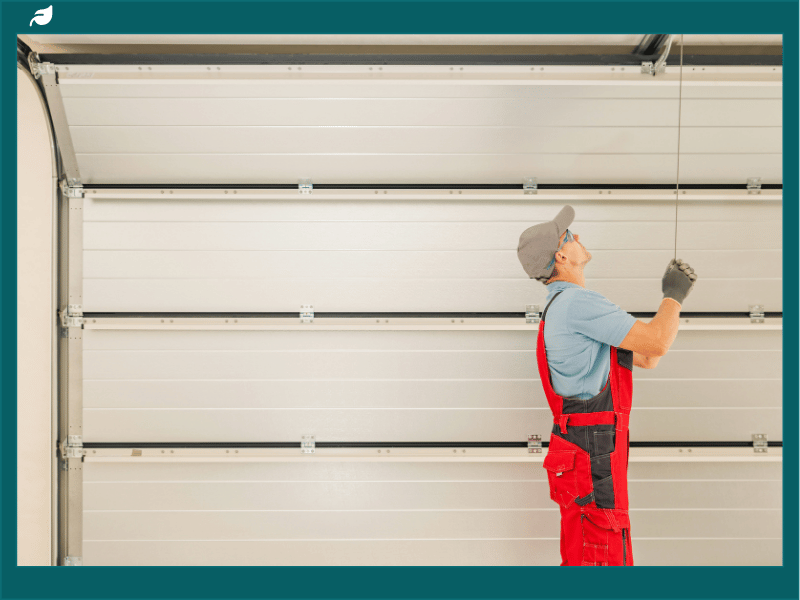
Building regular inspection routines into your home’s calendar can reveal issues before they escalate. Early detection helps prevent emergency repairs, which often bring higher emissions due to urgent transport and material sourcing.
Careful adjustment and balancing allow automatic openers to operate efficiently, reducing strain on motors and lowering day-to-day energy usage. Selecting higher-quality parts that are engineered for longevity also means fewer replacements over time, directly decreasing the need for new products and resource-intensive manufacturing.
Preventive strategies not only extend service life but cut the number of interventions, meaning less driving, packaging use, and overall disruption. DuraServ is a trusted National residential garage door and gate company with locations across the United States, for local expert installation, replacement, design, emergency repair services, maintenance, quality products and more custom home solutions. DuraServ provides services that align with these sustainability principles through efficient scheduling and durable product options.
This focus on reliability and efficiency benefits both the environment and the homeowner. It also sets the stage for more advanced efforts to shrink your maintenance carbon footprint.
Choosing greener products and operational improvements
Swapping out traditional lubricants and cleaners for lower-toxicity options supports better indoor air quality and reduces run-off of chemicals into the environment. Water-based or biodegradable alternatives minimize harm to both people and surrounding ecosystems.
Professionals can cut waste through better packaging management and safe storage or disposal practices. Recycling of metals and certain plastics is possible when separated properly, and digital records can reduce unnecessary paperwork and mistakes that might otherwise cause duplicate work.
Consolidating appointments by using advanced diagnostics can cut down on fuel use and reduce emissions from repeat trips. Pairing these operational strategies with product choices creates meaningful improvements for footprint reduction.
Repair, reuse, and smart end-of-life handling
Whenever repairs provide a safe and lasting solution, they are preferable to full replacements from a sustainability perspective. Salvaging working hardware, when safety codes permit, further reduces demand for new manufacturing and diverts metals and plastics from the waste stream.
Most garage door components made from steel or aluminum are recyclable if removed and processed correctly. Working with providers who support recycling and responsible disposal helps align routine maintenance with broader sustainability goals. Guidance for recycling building materials is available from many local agencies and municipal resources.
Homeowners who consider energy efficiency, material selection, and operational improvements can make substantial progress toward reducing the carbon footprint of their garage door maintenance.
Keeping emissions low involves adopting habits like routine checks, choosing longer-lasting parts, seeking greener chemicals, and supporting service providers who reduce waste and manage resources wisely. Collectively, these small steps make a measurable difference for sustainability-minded households.