Cotierra has raised $3 million to industrialise its decentralised biochar technology and digital platform for agricultural supply chains. The Zurich-based climate technology company’s round was co-led by PINC, the venture arm of food and beverage company Paulig, and Carbon Removal Partners. The investment takes Cotierra’s total funding since inception to approximately $4.75 million. Building on field deployments in coffee, the company is preparing repeatable, multi-year projects across coffee, cocoa, cotton and citrus value chains.
Investment For Commercial Scale
The new capital is intended to move Cotierra’s technology from successful field deployments towards repeatable commercial delivery. Zürcher Kantonalbank, Carbon Drawdown Initiative, better ventures, GOTA Ventures, Hungry4Impact and Triple Impact Ventures also participated in the round, alongside climate and impact-focused angel investors.
The investment brings together food-sector and carbon-removal perspectives around a shared agricultural challenge: improving the resilience of tropical supply chains while reducing their emissions. Cotierra reports a strong order backlog as it prepares to fulfil deployments across regions and value chains.
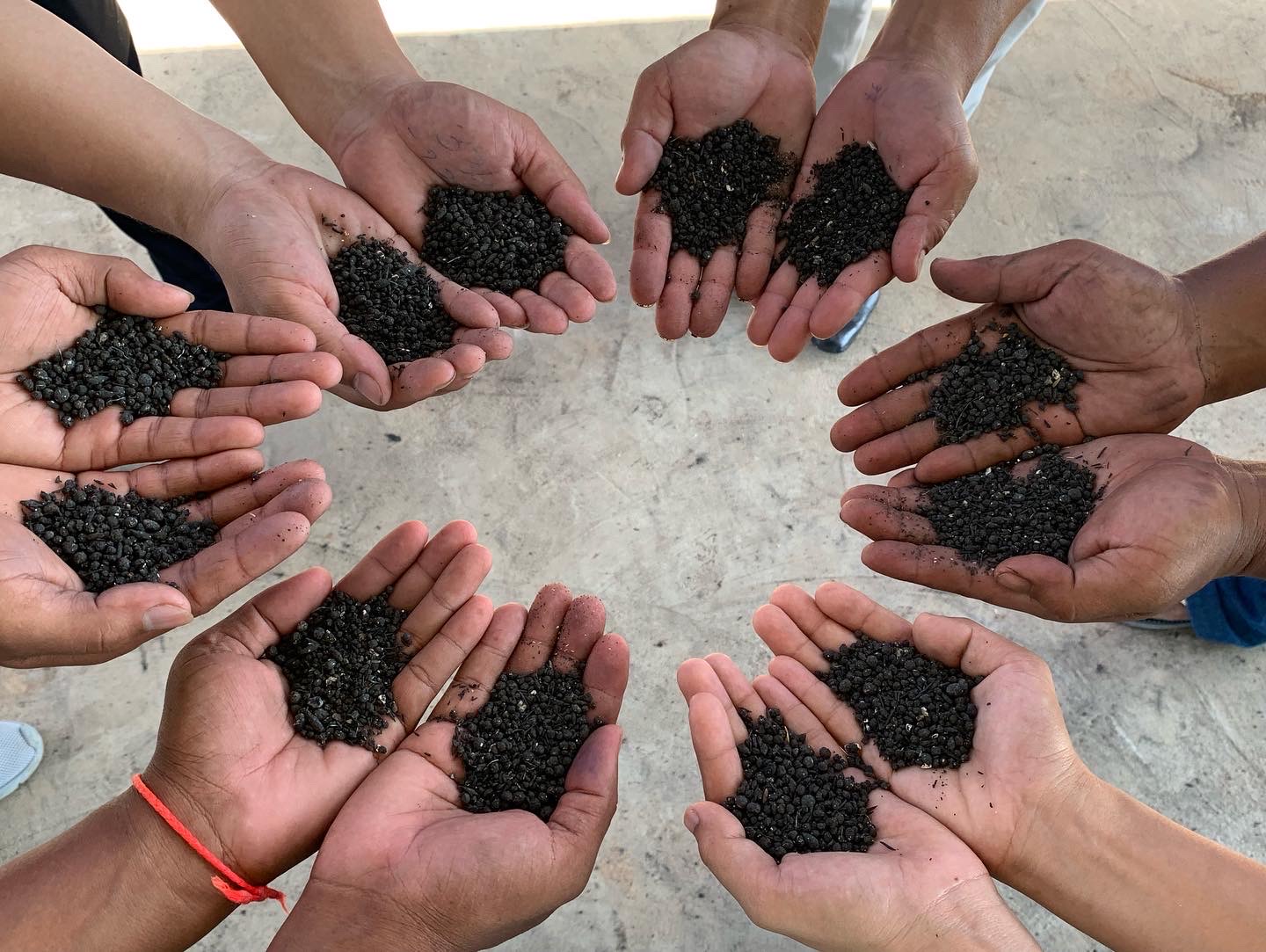
Its work centres on agricultural residues that are often left unused. Rather than moving biomass to distant central facilities, the company’s decentralised reactor model is designed to process it close to where it is generated, producing biochar that can be returned to soils.
Thomas Käslin, CEO and Co-Founder at Cotierra, said:
“We have shown that decentralised biochar offers a highly effective pathway to decarbonise and strengthen tropical agricultural value chains where biomass is widely dispersed. Now we are making it simple, reliable and scalable. Our ambition is to make it the standard solution for agricultural companies to strengthen farmer productivity and resilience while reducing emissions and removing carbon across their supply chains.”
Biochar Close To Source
Across tropical agricultural value chains, declining soil health and more frequent extreme weather are affecting farmer productivity, while food and beverage businesses are seeking to cut supply-chain emissions and protect the reliability of agricultural supply. Cotierra’s proposition brings these linked issues into one operational model.
The company combines decentralised reactor technology with a digital platform for operating, monitoring and verifying biochar production. Agricultural businesses can convert residual biomass into biochar close to the source, return carbon to the soil and track results from the deployment.
This integrated approach positions biochar as a practical resource for distributed farming operations, where feedstocks may be widely dispersed. For customers, the intended benefits include stronger farmer productivity and resilience, lower supply-chain emissions and carbon removal.
Coffee Provides The Starting Point
Cotierra has initially developed its model in coffee, where its technology has been proven through field deployments. The company is now focusing on turning those deployments into a fully integrated hardware and software product that can support multi-year programmes.
The move into cocoa, cotton and citrus reflects the potential to apply the same decentralised model to other tropical commodities. Each of these value chains can generate residual biomass, providing an opportunity to create a productive use for material that might otherwise remain unused.
The participation of PINC connects Cotierra’s expansion with Paulig’s interest in the long-term productivity and resilience of agricultural supply chains. Paulig’s portfolio includes coffee alongside Tex Mex, snacks, world foods and spices, giving the investment a direct relationship to the food system conditions Cotierra is targeting.
Karl Swensson, Investment Director at PINC, said:
“For a food and beverage company like Paulig, the long-term resilience and productivity of agricultural value chains are fundamental. What stood out to us about Cotierra is the strong traction the company has achieved with coffee traders through a solution that delivers value for farmers, traders and coffee companies alike. We believe decentralised biochar can play an important role in reducing emissions and improving resilience in coffee-growing regions. As part of a broader portfolio of climate solutions, it has significant potential to contribute to Paulig’s coffee climate ambitions.”
Building A Carbon Management Platform
Carbon Removal Partners’ participation adds carbon-management expertise to the funding round. The investor focuses on technologies and companies supporting durable carbon removal at scale, an area where transparent monitoring and reporting are central to commercial confidence.
Cotierra’s platform supports monitoring, traceability and reporting for its deployments, alongside the physical conversion of biomass to biochar. This emphasis on both infrastructure and data will be important as the company extends from individual field projects into deployments across larger agricultural value chains.
Max Zeller, Founder & Partner at Carbon Removal Partners, said:
“Cotierra addresses a major untapped opportunity in tropical agriculture by leveraging agricultural waste to create resilient value chains, while delivering environmental benefits. Since our first investment, the team has transformed a strong technical concept into proven results in the field and gained significant commercial traction with many of the world’s largest coffee producers. Cotierra has built the foundation to become a leading technology platform for more resilient and higher-yielding value chains across the tropics.”
A Platform For Resilient Supply Chains
Cotierra’s latest funding provides a clear route to scale a model that links soil health, agricultural residues, operational data and supply-chain emissions. The company is progressing from coffee deployments to a broader commodity focus, while retaining a decentralised model suited to biomass generated across distributed agricultural operations.
For food and beverage supply chains exposed to climate pressures, the model offers a route to support farmers while creating measurable carbon outcomes. With its reactor technology and digital platform entering the next stage of development, Cotierra is positioning biochar as a practical component of tropical agriculture’s resilience and decarbonisation efforts.