Cotierra has raised $3 million to industrialise its decentralised biochar reactors and digital platform for tropical agricultural supply chains. The Zurich-based climate technology company’s funding round was co-led by PINC, the venture arm of Paulig, and Carbon Removal Partners. The investment brings Cotierra’s total funding since inception to about $4.75 million. Having demonstrated its approach in coffee, the company is preparing repeatable, multi-year deployments across coffee, cocoa, cotton and citrus value chains.
From Residues To Soil Carbon
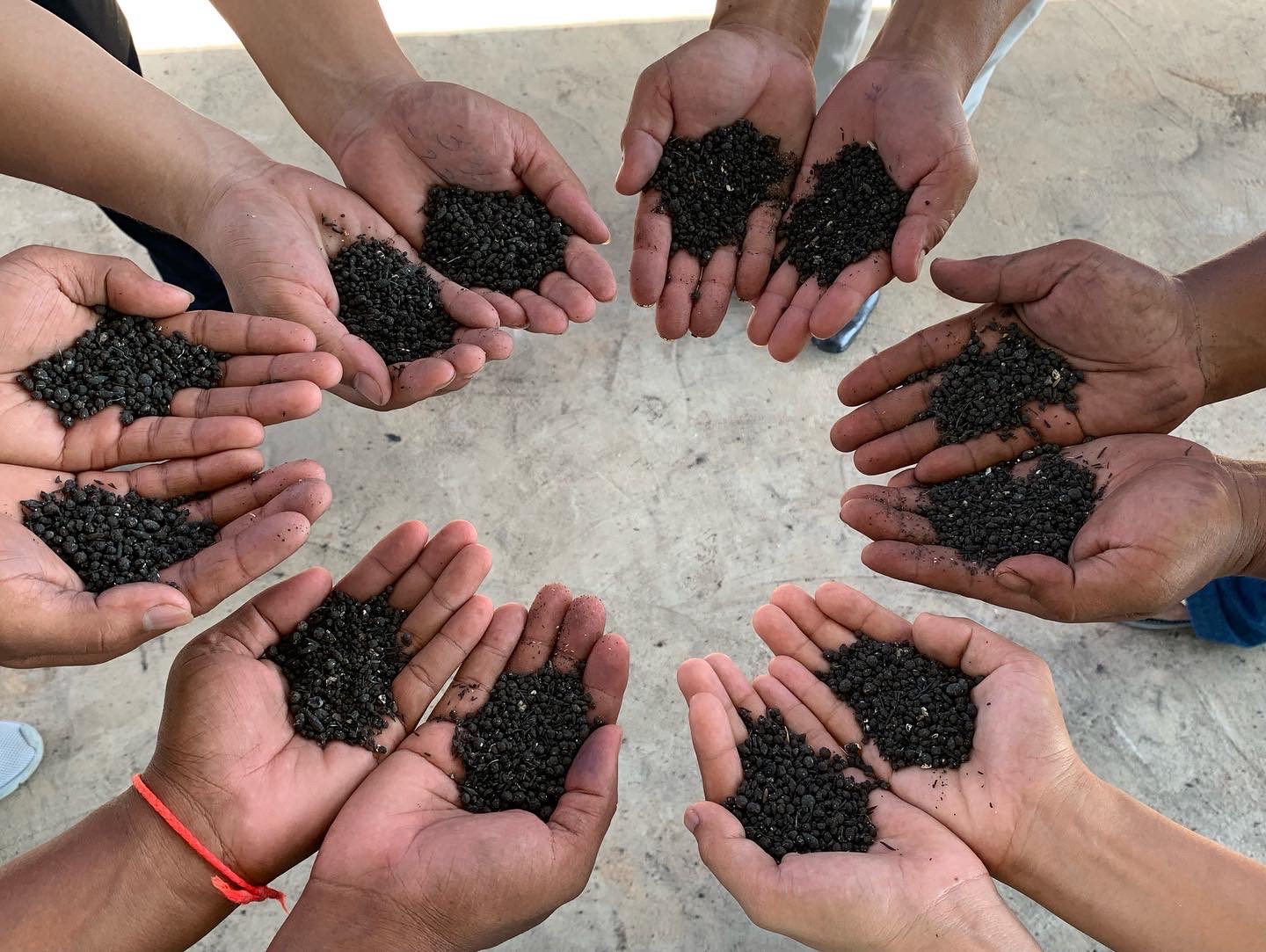
Cotierra’s model centres on agricultural residues that are often left unused across tropical value chains. Its decentralised systems are designed to convert this residual biomass into biochar close to where it is generated, avoiding the need to centralise dispersed material before processing.
The resulting biochar is returned to soil, while the company’s integrated digital platform supports operation, monitoring and verification of production. This gives agricultural businesses a route to track deployments while linking soil-focused activity with supply-chain emissions reduction and carbon removal.
The proposition responds to pressure on agricultural systems from declining soil health and increasingly frequent extreme weather. For food and beverage businesses, resilience in agricultural sourcing is closely tied to the ability to address emissions within supply chains, particularly where production is distributed among farming communities.
Thomas Käslin, CEO and Co-Founder at Cotierra, said:
“We have shown that decentralised biochar offers a highly effective pathway to decarbonise and strengthen tropical agricultural value chains where biomass is widely dispersed. Now we are making it simple, reliable and scalable. Our ambition is to make it the standard solution for agricultural companies to strengthen farmer productivity and resilience while reducing emissions and removing carbon across their supply chains.”
Moving Beyond Coffee Pilots
The company has developed its initial operating model through field deployments in the coffee value chain. It is now focused on converting those deployments into a fully integrated hardware and software product suited to commercial-scale use across regions and agricultural supply chains.
That progression is supported by what Cotierra describes as a strong order backlog. The new capital will be directed towards industrialising both the reactor technology and the associated digital platform as the business fulfils demand across its target markets.
Coffee remains the starting point, but the company has identified cocoa, cotton and citrus as further tropical commodities for expansion. These sectors share the operational challenge that biomass can be geographically dispersed, making a decentralised processing approach particularly relevant.
Rather than positioning biochar only as a carbon management tool, Cotierra is linking the technology to productivity and resilience outcomes within the agricultural value chain. Its platform is intended to make biochar production easier to deploy across distributed operations while supporting monitoring, traceability and reporting.
Food Sector Investment Case
PINC’s participation brings a food and beverage industry perspective to the round. As Paulig’s venture arm, PINC invests in early-stage businesses connected to the future of food, and its backing reflects the relevance of agricultural supply-chain resilience to food companies.
The round also included Zürcher Kantonalbank, Carbon Drawdown Initiative, better ventures, GOTA Ventures, Hungry4Impact and Triple Impact Ventures, alongside climate and impact-focused angel investors. Together, the investor group spans agricultural value chains, carbon removal and early-stage climate technology.
Karl Swensson, Investment Director at PINC, said:
“For a food and beverage company like Paulig, the long-term resilience and productivity of agricultural value chains are fundamental. What stood out to us about Cotierra is the strong traction the company has achieved with coffee traders through a solution that delivers value for farmers, traders and coffee companies alike. We believe decentralised biochar can play an important role in reducing emissions and improving resilience in coffee-growing regions. As part of a broader portfolio of climate solutions, it has significant potential to contribute to Paulig’s coffee climate ambitions.”
Carbon Removal At Commercial Scale
Carbon Removal Partners co-led the funding round, adding specialist carbon management investment expertise to Cotierra’s scale-up plans. The firm focuses on carbon removal and the broader carbon management ecosystem, including technologies intended to enable durable carbon removal at scale.
For Cotierra, the commercial opportunity lies in bringing a practical deployment model to agricultural companies that must manage both the physical realities of dispersed residues and the need for clearer emissions and carbon removal reporting. The combination of reactor hardware and digital oversight is central to that proposition.
Max Zeller, Founder & Partner at Carbon Removal Partners, said:
“Cotierra addresses a major untapped opportunity in tropical agriculture by leveraging agricultural waste to create resilient value chains, while delivering environmental benefits. Since our first investment, the team has transformed a strong technical concept into proven results in the field and gained significant commercial traction with many of the world’s largest coffee producers. Cotierra has built the foundation to become a leading technology platform for more resilient and higher-yielding value chains across the tropics.”
A Platform For Tropical Agriculture
Cotierra’s $3 million raise marks a move from successful field activity towards repeatable commercial deployments. Its focus on decentralised processing offers a considered response to a persistent agricultural challenge: converting residues where they arise, rather than treating their dispersed nature as a barrier to climate action.
By combining biochar production with operational data and verification, the company is building an infrastructure proposition for agricultural businesses seeking to return carbon to soils while strengthening productivity and resilience. Its expansion beyond coffee into cocoa, cotton and citrus will test how broadly the model can be applied across tropical commodity supply chains.