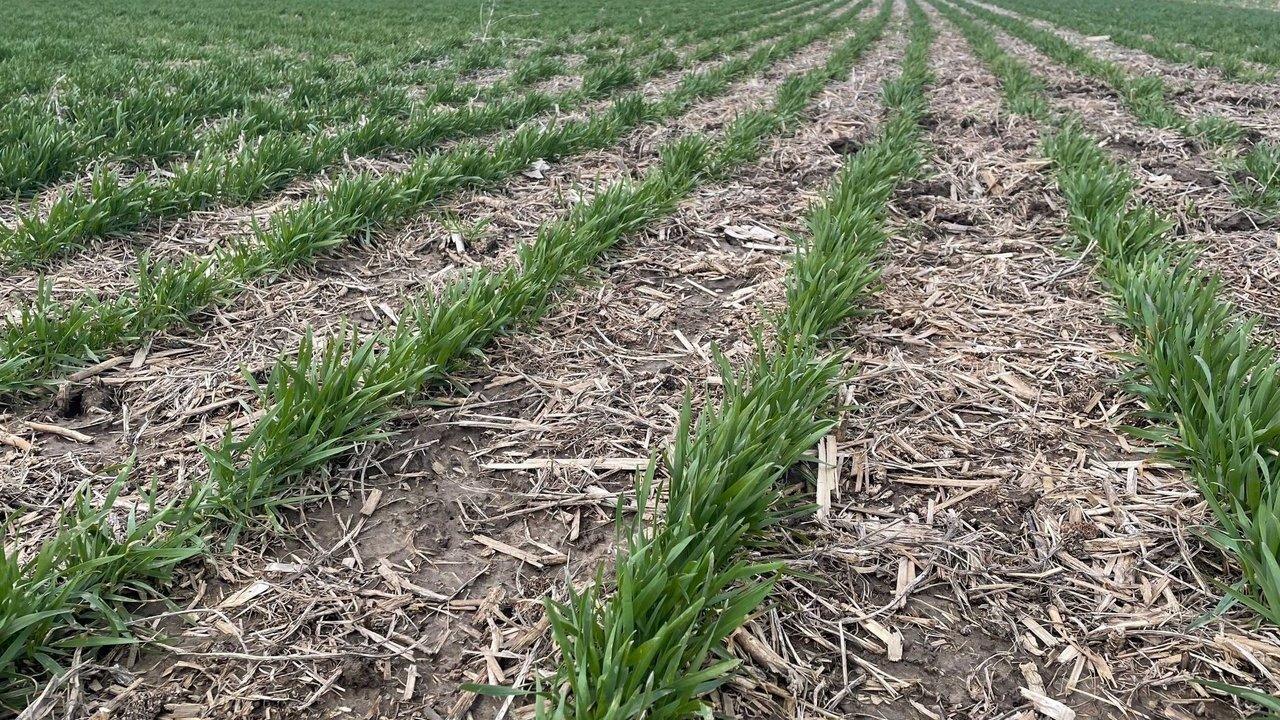
Agoro Carbon has issued its first soil carbon credits from US cropland and pastureland projects, completing the first delivery under its 12-year agreement with Microsoft. The agreement, announced in June 2025, covers 2.6 million carbon removal credits and is among the market’s largest commitments for soil-based removals. The newly issued credits cover 2021 and 2022 vintages from projects spanning regenerative practices including cover cropping, reduced tillage and improved grazing. For Agoro Carbon, the milestone brings field measurement, producer support and third-party verification together in a commercial route for rewarding soil stewardship.
First Delivery Under Microsoft Agreement
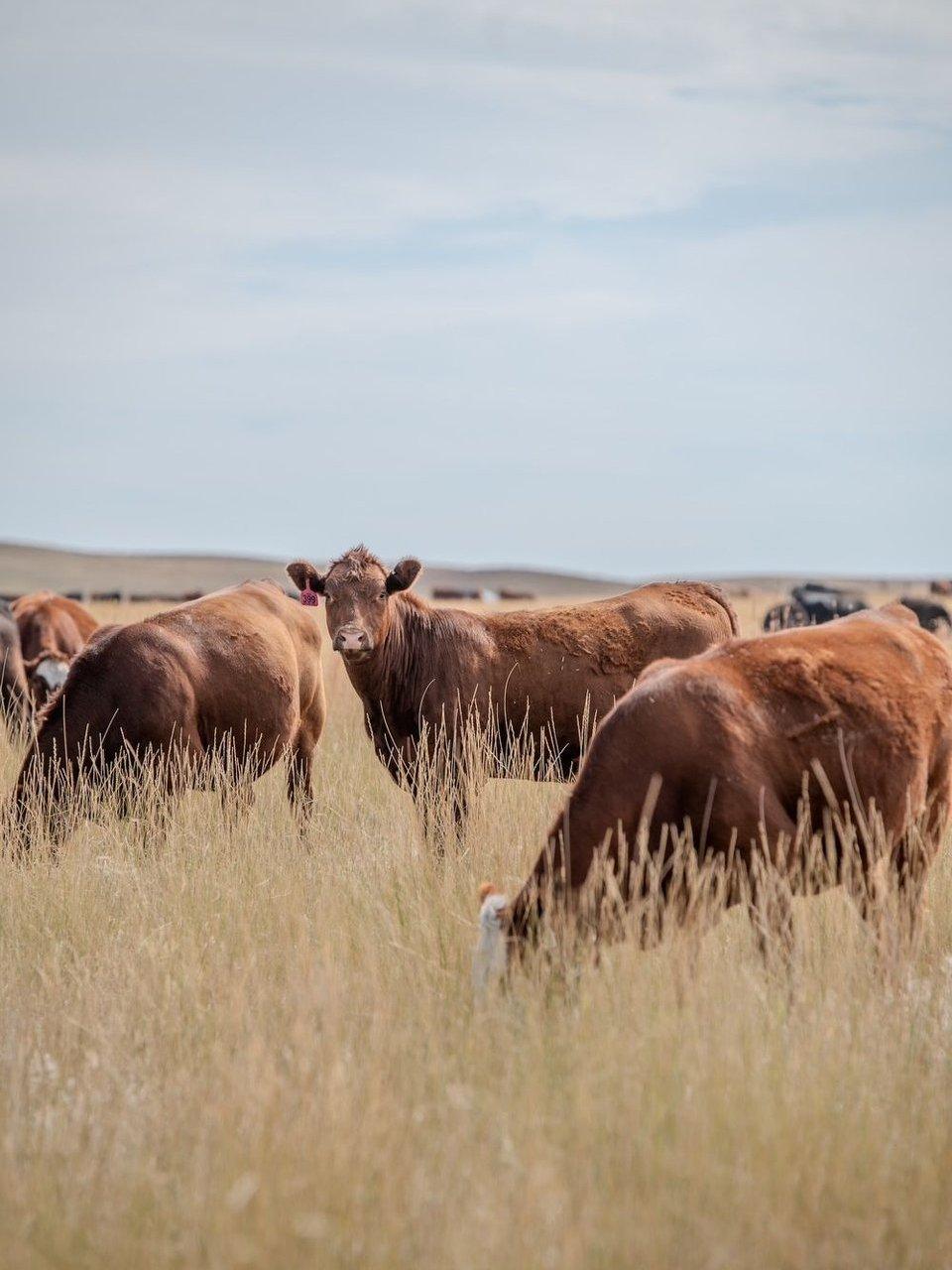
The credits were issued following validation and verification by Verra for two US projects: VCS 3634 for cropland and VCS 3656 for pastureland. Both are registered under Verra’s VM0042 Improved Agricultural Land Management methodology, version 2. The issuance marks the first credit delivery in Agoro Carbon’s long-term supply agreement with Microsoft, following the technology company’s due diligence process.
Agoro Carbon’s approach is centred on contracts with the farmers and ranchers implementing the practices, alongside ongoing technical assistance. The company positions the model as a way to connect corporate climate commitments with measurable changes on working land, while providing participating producers with a new income stream.
Elliot Formal, CEO at Agoro Carbon, said:
“At Agoro, we compete on integrity. Our quality-driven, farmer-focused approach is backed by rigorous science in how we design and monitor our projects, and by the hands-on support our agronomists provide to producers from initial implementation through sustained success.”
Elliot Formal, CEO at Agoro Carbon, said:
“Our projects sit on U.S. farmland, under long-term contracts with the producers who own it, and they sit firmly at the high-quality, high-durability end of the nature-based market. That is what a premium carbon removal credit looks like, and it is what our buyers are choosing when they work with us, while our producers build more resilient operations for the future.”
Measurement From Field To Credit
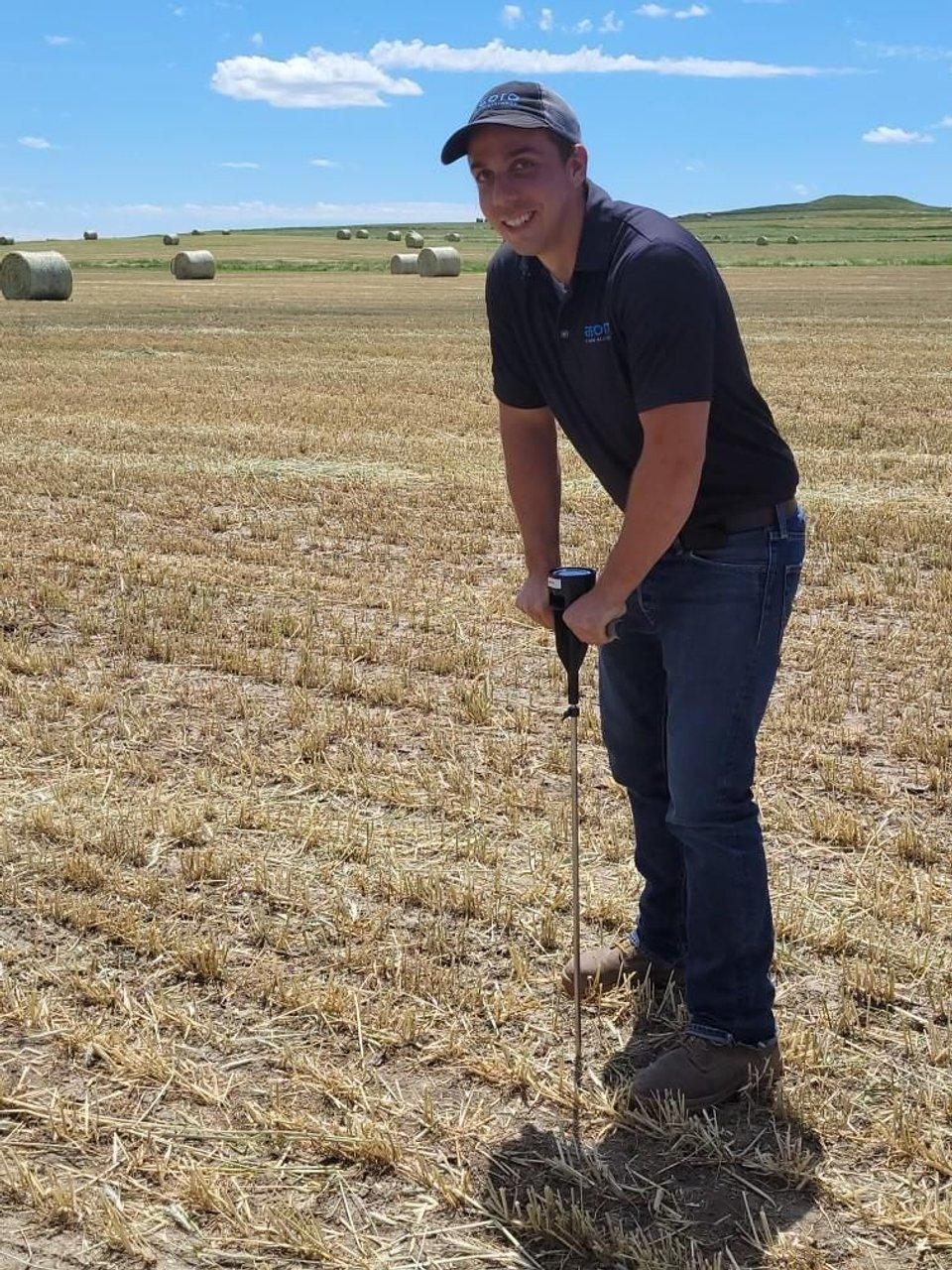
Agoro Carbon combines field-level soil sampling with process-based modelling and independent third-party validation and verification. Its programme includes more than 110,000 soil samples collected across enrolled acres using stratified, GPS-verified field sampling. The samples are analysed in independent laboratories through dry combustion, with results used to calibrate peer-reviewed process-based modelling.
The company reports an average margin of error of 7.06% at 90% confidence across data from more than 500 growers. This level of field evidence is central to the credibility of soil carbon credits, where measurement and permanence remain closely scrutinised by buyers and standards bodies.
Mandy Rambharos, CEO at Verra, said:
“Agricultural soils are one of the largest and most underused carbon sinks we have, and turning that potential into credible, verified removals is hard work. This issuance reflects a rigorous, data-driven pathway from soil sample to verified credit under VM0042 , and it’s a strong signal that U.S. agriculture can deliver high-integrity carbon removals at scale,”
Support For Regenerative Practices
The programme now spans 34 US states, with more than 600 enrolled producers managing 2.5 million acres. Agoro Carbon plans annual issuances from these projects through 2037, with supply beyond the Microsoft agreement available to other corporate buyers seeking soil carbon removals.
Alongside credit revenue, the company provides transition prepayments and agronomic support. More than $30 million has been paid in prepayments to date, helping producers introduce practices suited to their own operations. Its Grower Success Team remains engaged through 10-year contracts, and approximately one-third of Agoro Carbon’s staff work in grower-facing roles.
Robert Gomke, farmer and rancher from Gildford, MT, said:
“Working with Agoro has been instrumental to our operations here in Northern Montana. With commodity prices being lean, and input prices being high, Agoro was able to help with implementing some soil health practices that we wouldn’t have been able to justify otherwise. We’re glad to see companies taking interest in the long-term health of the American farmer, and seeing it measured in actual carbon credits is something we didn’t dream would actually happen ,”
Producer Economics And Soil Health
For participating farms, the model is intended to support operational changes that can take several years to establish. No-till systems, cover crops and adjusted grazing approaches may affect soil condition and input decisions over time, making transition finance and locally relevant agronomy important components of implementation.
Clint Myers from Latah, WA, said:
“Now 5 years in, our decision to partner with Agoro in making our transition to No-Till Agricultural practices is one of the best decisions we have ever made on our farm. Working with Agoro’s agronomists and our local agronomists we were able to put together a transition plan that made sense both economically and agronomically. After 5 years we have seen our soil health improve and our ROI per acre is far above what it used to be with conventional tillage practices. The additional revenue Agoro has provided to us each year has given us the ability to keep updating our technology and reduce our input costs. We will continue to work with our Agoro agronomist to improve our cropping systems and keep building our soil health and hopefully in the future reduce our need for higher cost inputs,”
A Platform For Verified Removals
Agoro Carbon intends to move to Verra’s VM0042 version 3 methodology once it is published, which is expected in early 2027. The company says the transition is intended to support eligibility under the Core Carbon Principles for future issuances, subject to Verra’s timetable and assessment by the Integrity Council.
The first issuance provides an important proof point for a programme built around agricultural producers rather than avoided emissions alone. With soil sampling, modelling, verification and multi-year farm support incorporated into the same delivery model, Agoro Carbon is establishing a substantive example of how regenerative agriculture can contribute verified carbon removals while supporting the economics of working farms and ranches.