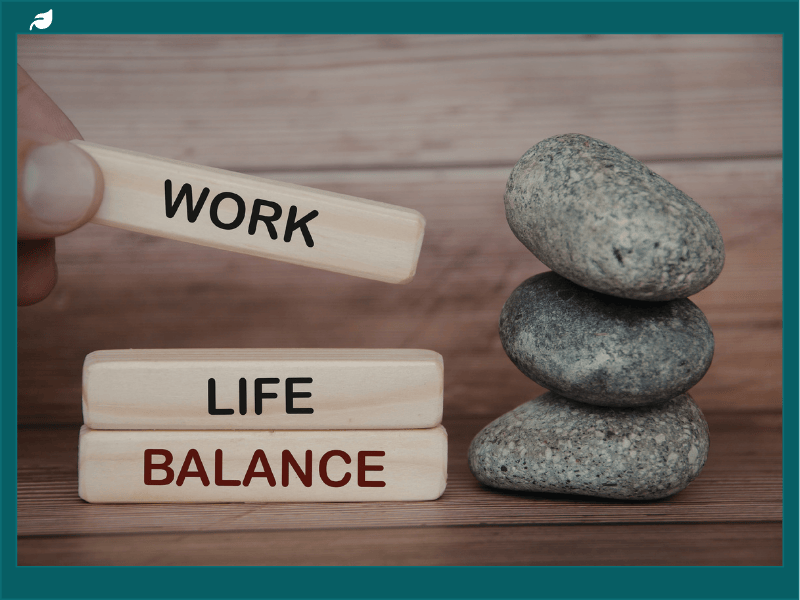
Work-life balance has become an increasingly big talking point in the UK workplace, with more people now judging it more important than pay when choosing a job, as reported in the Randstad 2025 Workmonitor survey.
In response to this, many companies are trying to match their employees’ expectations through hybrid work patterns and flexible work. But as we move into 2026, companies are still battling burnout, disengagement, and declines in productivity, all of which suggest the UK still has a work-life balance problem.
As more legal and economic shifts occur, companies are looking more closely at how their workplace is organised. Policies such as hybrid scheduling, changes to overtime structures and more formalised Time Off In Lieu policies are becoming increasingly common in bids to help address work-life balance.
In 2026, as work-life balance becomes increasingly vital to employees, companies will rethink their approach and whether they treat it as just an option.
Why 2026 Could Be a Turning Point
In 2026, multiple changes will be brought in by the government that will have a potential effect on an employee’s work-life balance.
From April 2026, under the Employment Rights Act 2025, Statutory Sick Pay will need to be paid from day one of absence, and the eligibility rules will widen to include more employees.
At the same time, wages will rise, increasing operating costs for businesses across the UK.
With this rise in costs, companies often check their output more closely to lessen the impact. But pushing staff harder without addressing existing structural issues can worsen burnout and negatively affect employees’ work-life balance.
Additionally, employees are increasingly conscious of how work affects their lives. Expecting flexibility and hybrid work when needed, as well as a clearly defined and respected boundary. In a challenging recruitment market, businesses failing to address work-life balance can find themselves at risk.
2026 is a point at which these legal changes, cost pressures, and employee expectations converge. For many companies, it is an opportunity to examine how their workplace is structured and whether they need to change it.
Control over time
For many employees, a large part of work-life balance is flexibility, and although hybrid working arrangements and flexible start and finish times have become more common in recent years. Employees actually want control over their time.
Although work hours can change, many still feel pressured to work outside of those hours.
64% of UK employees feel they need to be available for communication even when they are not at work, and over half of UK employees send emails outside contracted hours. This suggests that the flexibility currently offered is not as meaningful as employees would like, and they still find it difficult to complete their work on time.
To meet employees’ changing expectations, organisations might find that the balance isn’t just about offering hybrid roles or start-time choices, but about giving employees a workflow that enables them to have autonomy over their time.
Workload Intensity and Recovery
As well as how long employees are working, how much they have to work can affect their work-life balance. With widespread burnout in the UK workforce, Mental Health UK’s Burnout Report 2025 found that around 1 in 5 UK workers need to take time off due to burnout.
Employee burnout doesn’t always happen due to an abnormally high workload; it can be exacerbated by sustained pressure without giving employees time to recover. With consistently high workloads, employees may begin to reduce effort and engagement to preserve their mental health.
Encouraging realistic work expectations and reducing exposure to unexpected overtime can help businesses ensure that workers aren’t working more than they should and help protect their work-life balance.
Fairness and Consistency in the Workplace
Friction and negative experiences, such as perceived unfair treatment, can directly affect work-life balance and contribute to staff stress. People Insight reported that 31% of staff have experienced unfair treatment at work.
For businesses, addressing this issue is not just about checking and updating policies regularly, but also making sure the management team are consistent and all share the same training.
Applying balance fairly across teams strengthens employees’ trust in a business’s leadership.
Although work-life balance is complex, rethinking balance does not mean a business has to reduce its ambition or expect lower standards. It means designing a workplace that is sustainable and is flexible to work with the staff.