Manufacturing and metal fabrication industries are constantly searching for ways to improve efficiency while reducing environmental impact. Traditional welding processes such as MIG, TIG, and arc welding have been widely used for decades. While these techniques remain effective, they often require high energy consumption, produce excess heat, and generate material waste.
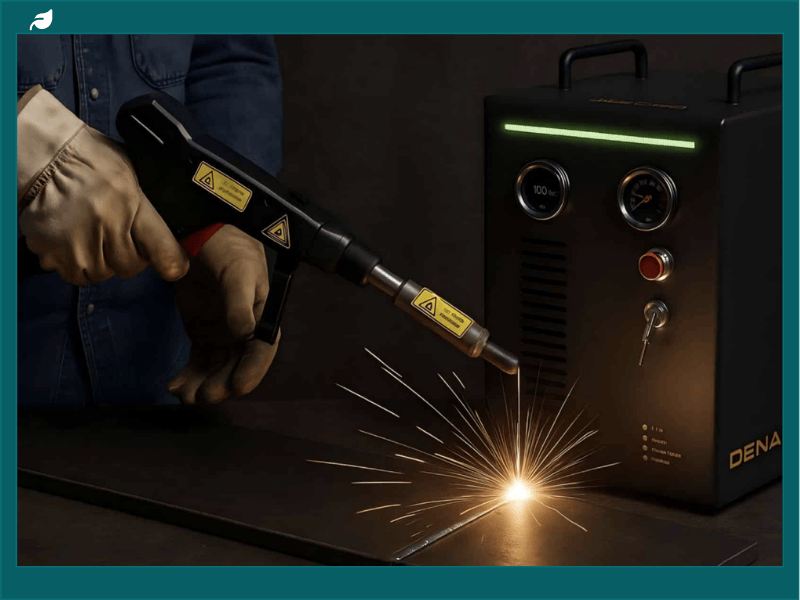
Modern technology has introduced new solutions that improve both productivity and sustainability. One such advancement is the handheld laser welder, a welding technology that uses concentrated laser energy to create precise metal joints. Compared with older welding methods, laser welding offers improved efficiency, reduced material waste, and lower environmental impact. As industries move toward greener manufacturing practices, understanding why laser welding is considered a more sustainable option can help you make smarter decisions when upgrading your welding equipment.
How Traditional Welding Methods Impact Sustainability
Before exploring the advantages of laser welding, it is important to understand some of the limitations of older welding techniques.
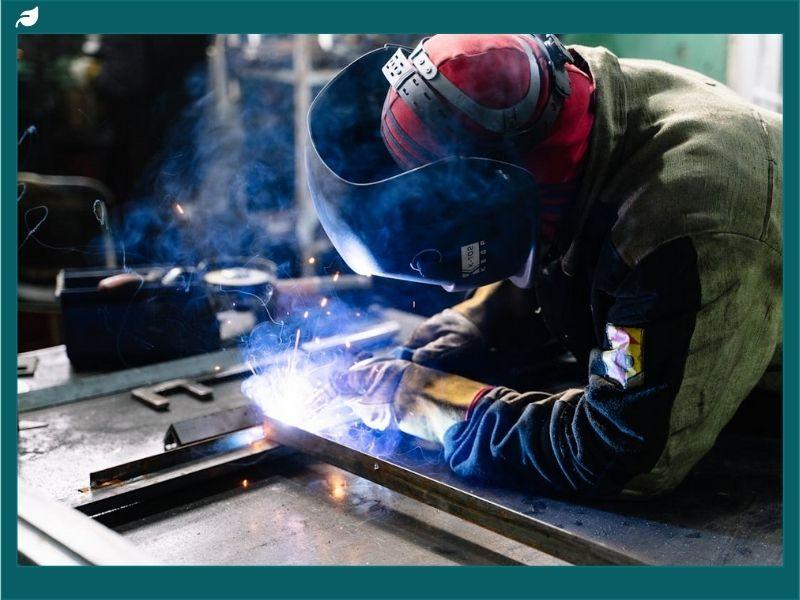
Traditional welding methods rely on electric arcs or filler materials to melt metal surfaces. These processes often require higher temperatures and longer welding times.
Some common sustainability challenges include:
- Higher energy consumption due to prolonged heating
- Increased material waste from filler rods and spatter
- Greater heat distortion that may require additional rework
- Higher emissions and fumes produced during welding
Because of these factors, many fabricators are exploring technologies like the handheld laser welder to reduce environmental impact while maintaining strong weld quality.
What Makes Laser Welding Different?
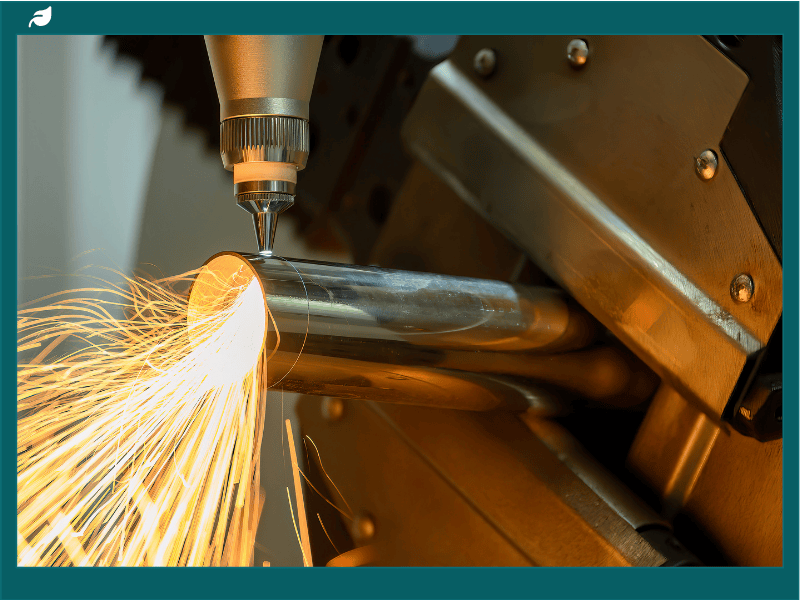
Laser welding uses a highly concentrated beam of light to fuse metal parts together. The beam generates intense heat in a small, controlled area, allowing the weld to form quickly and precisely.
Unlike traditional welding, laser welding focuses heat exactly where it is needed. This targeted approach provides several benefits.
Key differences include:
| Feature | Traditional Welding | Laser Welding |
| Heat distribution | Wide heat zone | Highly focused heat |
| Energy usage | Higher energy demand | Lower energy consumption |
| Weld precision | Moderate precision | High precision |
| Material waste | More spatter and filler | Minimal waste |
These characteristics make the handheld laser welder particularly valuable for modern manufacturing environments that prioritize sustainability.
Reduced Energy Consumption
Efficient heat application
One of the biggest sustainability advantages of laser welding is its energy efficiency. Traditional welding processes often require significant heat input to melt materials across a wider area.
Laser welding concentrates energy into a very small focal point. This means the metal reaches the required temperature faster, reducing the total energy required.
Benefits include:
- Shorter welding cycles
- Lower power consumption
- Reduced operational energy costs
For businesses aiming to improve environmental efficiency, adopting a handheld laser welder can help reduce overall energy demand in fabrication processes.
Minimal Material Waste
Material waste is another important sustainability concern in welding operations.
Traditional welding methods often generate spatter, slag, and excess filler material. These byproducts can require additional cleanup and increase production waste.
Laser welding reduces these issues because of its precise energy control.
Advantages of precise welding
- Cleaner weld seams
- Less filler material required
- Reduced spatter and debris
- Lower post-weld cleanup requirements
Because the handheld laser welder produces cleaner welds, it helps reduce waste materials that would otherwise require disposal or recycling.
Lower Heat Distortion
Heat distortion is a common challenge in traditional welding. When large areas of metal are exposed to heat, the material can warp or deform.
This distortion may require additional steps such as grinding, reshaping, or re-welding.
Laser welding significantly reduces this issue.
Why laser welding reduces distortion
The laser beam focuses heat on a very small point. This minimizes the heat-affected zone around the weld.
As a result:
- Metal structures maintain their shape more effectively
- Less rework is required after welding
- Production efficiency improves
Using a handheld laser welder allows you to maintain structural accuracy while minimizing energy spent correcting distortions.
Faster Welding Speeds
Another sustainability advantage of laser welding is speed.
Traditional welding methods often require slower passes to ensure proper heat penetration. Laser welding, however, can achieve strong welds in less time.
Benefits of faster welding
- Increased productivity
- Reduced operational hours
- Lower energy consumption per weld
Faster welding cycles mean that equipment operates for shorter periods, reducing the environmental footprint of the welding process.
Reduced Welding Fumes and Emissions
Traditional welding processes can produce fumes, smoke, and airborne particles. These emissions can affect both workplace safety and environmental conditions.
Laser welding typically generates fewer fumes because it uses a controlled heat source and often requires less filler material.
Advantages include:
- Cleaner working environments
- Reduced ventilation requirements
- Lower emission levels during welding
For facilities aiming to improve workplace sustainability, adopting a handheld laser welder can contribute to cleaner production environments.
Precision and Automation Compatibility
Modern manufacturing increasingly relies on automation and digital precision. Laser welding integrates well with automated systems and robotic welding setups.
Benefits for sustainable manufacturing
- Consistent weld quality
- Reduced error rates
- Lower material rejection rates
When weld defects are minimized, less material needs to be discarded or reworked. This directly supports more sustainable production practices.
Practical Applications of Laser Welding
Laser welding technology is widely used in several industries.
Common applications include:
- Automotive manufacturing
- Aerospace fabrication
- Electronics production
- Metal furniture and appliance manufacturing
- Precision metal components
The versatility of the handheld laser welder allows it to be used for both large-scale industrial projects and smaller fabrication tasks.
Modern Welding Solutions in the Industry
As manufacturers adopt greener technologies, laser welding systems are becoming more accessible to businesses of different sizes.
Modern equipment is designed to balance performance, precision, and efficiency. Solutions such as those offered by Denaliweld illustrate how advanced laser welding tools are being integrated into modern fabrication workflows.
These systems provide operators with the ability to perform high-quality welds while maintaining efficiency and reducing material waste. For companies focused on sustainability, modern laser welding tools represent an important step forward in environmentally responsible manufacturing.
Conclusion
Sustainability is becoming a central priority in modern manufacturing and metal fabrication. Traditional welding methods, while effective, often require high energy consumption, generate material waste, and produce excess heat. Laser welding technology offers a more efficient alternative. With advantages such as reduced energy use, minimal material waste, lower heat distortion, and faster production speeds, the handheld laser welder provides a more sustainable solution for many welding applications.
As industries continue to prioritize environmentally responsible production methods, laser welding is likely to play an increasingly important role in shaping the future of manufacturing. By understanding the benefits of this technology, you can make informed decisions about upgrading your welding equipment while supporting more sustainable fabrication practices.