Business leaders now rely on data for far more than quarterly revenue analysis. Companies across finance, healthcare, manufacturing, and energy sectors use analytics to improve operational resilience, reduce waste, and respond to growing environmental expectations. Investors and regulators increasingly expect organizations to provide measurable evidence of ethical governance and sustainable performance. Professionals who can interpret large datasets and translate findings into practical strategies are becoming essential to long-term business planning.
Organizations also face increasing pressure to balance profitability with transparency and long-term sustainability goals. As ESG reporting standards expand, companies need professionals who understand both technical analytics and strategic decision-making. Educational programs that combine statistical modeling, business intelligence, and sustainability reporting are helping prepare the next generation of analysts for leadership positions in a rapidly changing economy.
The Growing Complexity of Business Data and the Rise of Sustainability Analytics
Modern organizations manage large volumes of operational and environmental data every day. Financial metrics now sit alongside emissions tracking, workforce analytics, supplier transparency reports, and energy consumption records. The growing pressure to align profitability with sustainability has transformed hiring expectations across global industries. Professionals hoping to stay competitive in this environment often pursue a business analytics graduate degree to strengthen their technical expertise and expand their understanding of sustainability-focused strategy. Advanced academic training helps analysts move beyond basic reporting and contribute to long-term organizational planning.
Companies also expect analysts to communicate insights clearly to executives, regulators, and investors. Predictive modeling, artificial intelligence tools, and automated reporting systems have increased the speed and complexity of business decisions. Analysts who can connect technical findings with practical business goals are becoming valuable assets in nearly every industry.
The Strategic Shift: From Descriptive Analytics to Predictive ESG Reporting
Traditional analytics focused mainly on reviewing historical performance and identifying past business trends. Today, organizations increasingly use predictive analytics to anticipate regulatory risks, supply chain disruptions, and future environmental costs. Companies want faster insights because sustainability reporting standards continue to evolve across global markets.
Businesses also rely on advanced forecasting tools to estimate carbon emissions, monitor energy usage, and evaluate supplier risk exposure. Governments and investors expect companies to provide transparent sustainability disclosures supported by measurable data. This pressure has created a strong demand for analysts who understand statistical modeling, compliance frameworks, and environmental reporting standards.
Core Competencies: Where Technical Skills Meet Sustainable Decision Making
Technical skills remain essential in modern analytics careers, but employers increasingly value professionals who can apply those skills to sustainability challenges. SQL, Python, Tableau, and machine learning platforms help analysts process large datasets and identify operational inefficiencies. Companies also seek employees who understand carbon accounting, emissions reporting, and sustainable resource management.
Professionals with interdisciplinary expertise often help organizations reduce waste, improve energy efficiency, and strengthen operational planning. Analysts who understand both business intelligence and sustainability metrics can contribute to procurement strategy, workforce planning, and risk management initiatives. As industries continue investing in renewable energy and responsible supply chains, technical professionals with sustainability expertise are expected to remain in strong demand.
Supply Chain Resilience: Using Analytics to Optimize Resources and Reduce Waste
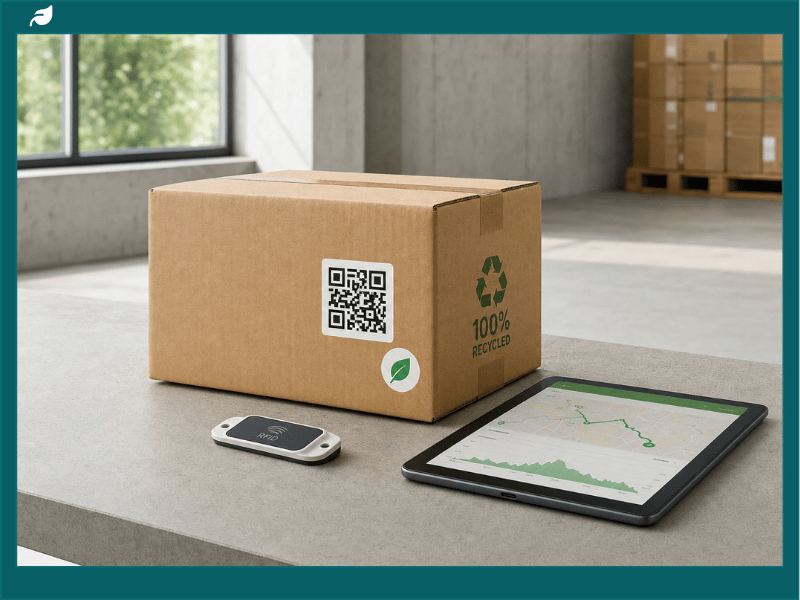
Global supply chains face growing pressure from rising transportation costs, climate disruptions, and changing consumer expectations. Companies now depend on analytics tools to monitor inventory levels, predict shortages, and improve sourcing decisions. Real-time operational data helps organizations reduce delays while improving resource efficiency across manufacturing and logistics networks.
Analytics also supports sustainability goals by identifying areas of excess energy use, material waste, and inefficient transportation routes. Businesses that improve supply chain visibility often lower operational costs while strengthening environmental performance. As organizations prioritize sustainable sourcing, demand continues to rise for professionals who can interpret complex supply chain data and recommend measurable improvements.
Healthcare and Workforce Analytics: Building Sustainable Labor Models
Healthcare organizations and labor-intensive industries increasingly use workforce analytics to improve employee retention and reduce operational strain. Staffing shortages, burnout, and scheduling inefficiencies create financial and operational risks that require data-driven solutions. Predictive workforce models help employers forecast labor demands and allocate resources more effectively.
Companies also use analytics to improve employee well-being and long-term workforce stability. Human resource teams analyze turnover patterns, productivity trends, and workforce engagement data to support better decision-making. These strategies strengthen organizational resilience while helping employers create more sustainable labor environments in high-pressure sectors.
Governance: Data, Compliance, and Global Emissions Tracking
Governments, investors, and consumers expect greater transparency around corporate sustainability practices. Organizations now track emissions, supply chain ethics, and resource usage through advanced reporting systems designed to meet international compliance standards. As reporting requirements become more detailed, companies need analysts who understand regulatory frameworks and environmental data management.
Technology continues to reshape governance functions across industries. Automated compliance systems, artificial intelligence platforms, and digital reporting tools help businesses monitor sustainability performance with greater accuracy. Professionals who can manage large datasets and support transparent reporting practices are becoming essential to corporate governance and risk management strategies.
Why Every Sector Needs Data-Literate Sustainability Leaders
Demand for analytics professionals continues to grow across finance, healthcare, renewable energy, consulting, and manufacturing industries. Employers increasingly seek candidates who can combine technical expertise with an understanding of sustainability goals and operational efficiency. Businesses want leaders who can transform data into actionable insights that support long-term growth.
Investors also place greater emphasis on ESG performance when evaluating companies. This shift has increased the value of professionals who understand predictive modeling, sustainability reporting, and strategic planning. Organizations across sectors now recognize that strong analytical leadership supports both financial performance and responsible business operations.
Building the Future of Sustainable Business Analytics
Business analytics has become one of the most influential career fields shaping modern organizations. Companies rely on data professionals to improve efficiency, strengthen governance, reduce environmental impact, and support evidence-based decision-making. As sustainability standards continue evolving, analytical expertise will remain central to corporate strategy and operational planning.
Future analytics professionals will play a direct role in helping organizations adapt to economic, environmental, and regulatory challenges. Employers increasingly value individuals who understand both technical systems and the broader impact of business decisions. The growing connection between analytics and sustainability will continue creating opportunities for professionals prepared to lead in a data-driven economy.