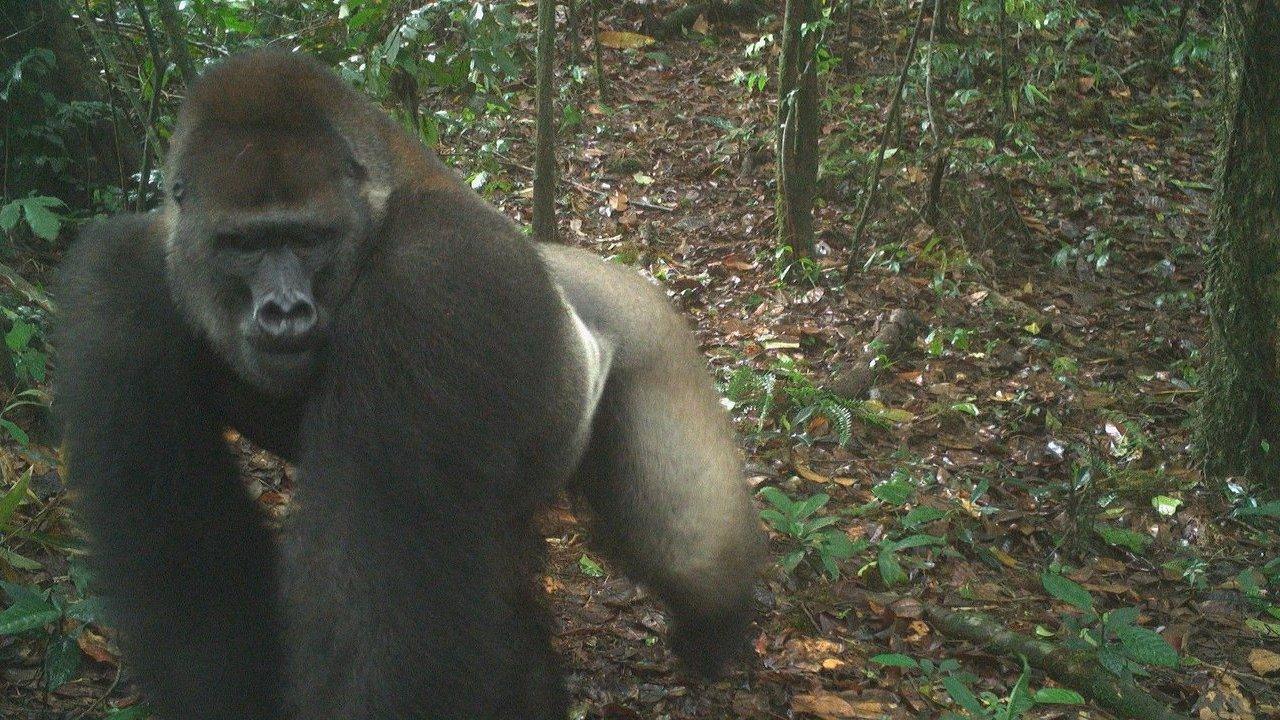
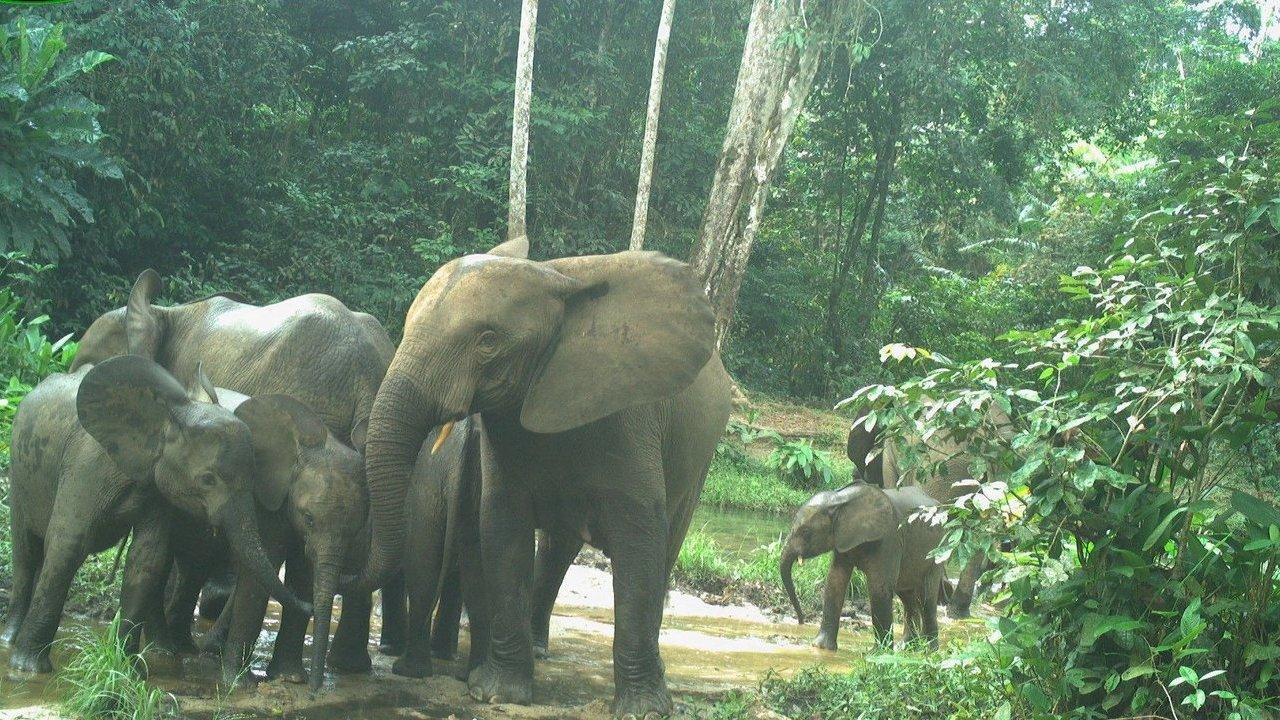
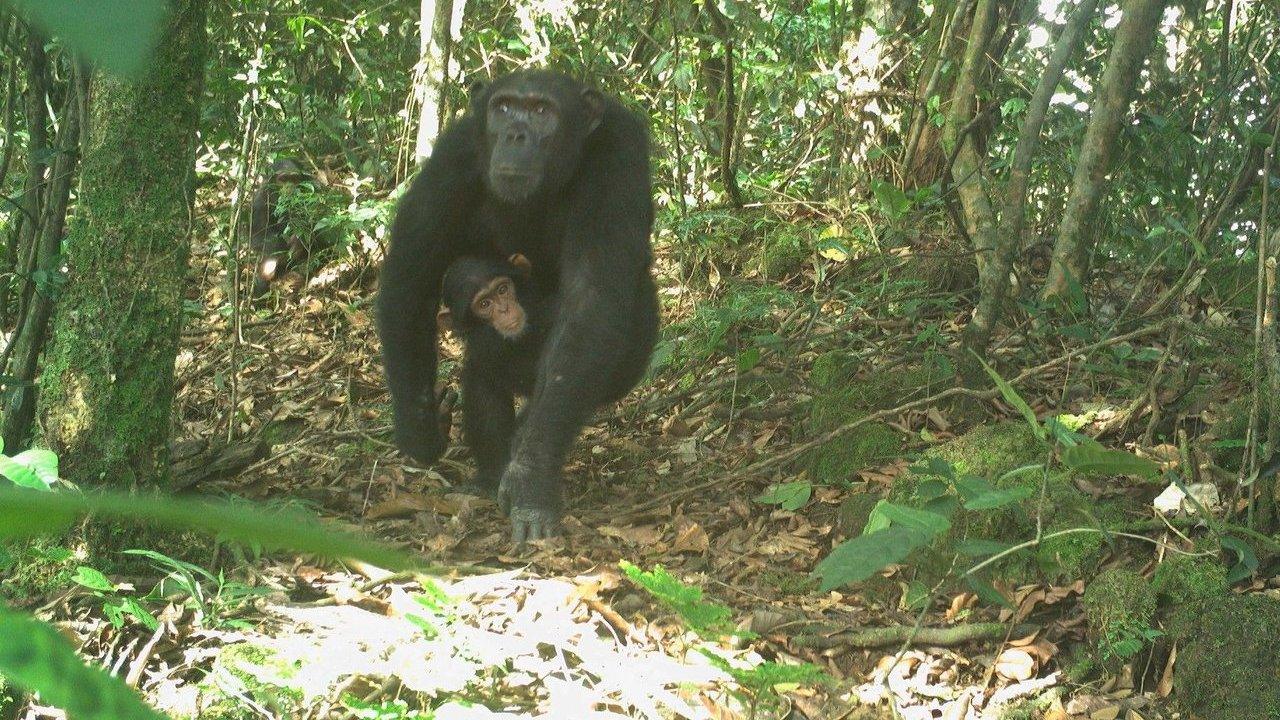
Wildlife Conservation Society and The Hershey Company have launched a four-year, $2.5 million partnership to support deforestation-free cocoa production in Cross River State, Nigeria. The programme will combine farmer livelihood support, supply chain resilience and biodiversity conservation across Nigeria’s largest remaining rainforest. More than 100,000 households depend on cocoa farming in the area, which contributes nearly one-third of Nigeria’s cocoa exports. The landscape is also home to Critically Endangered Cross River gorillas, Nigeria-Cameroon chimpanzees, drill monkeys and forest elephants.
Supporting Cocoa Communities
The partnership will bring WCS together with communities, federal and state government agencies, supply chain actors and civil society organisations. Its work will include climate-smart cocoa production, agroforestry, community-based natural resource management and improved supply chain traceability.
These measures are intended to help farmers improve productivity while reducing the risk that cocoa expansion drives forest loss. They are also designed to support livelihoods in a region where farming and forest protection are closely connected.
Balarabe Abbas Lawal, Nigeria’s Federal Minister of Environment, said:
“Nigeria is committed to building a sustainable cocoa sector that balances economic growth with forest protection. This partnership between WCS and Hershey directly supports our national policy objectives by promoting deforestation‑free cocoa, improving farmer livelihoods, and protecting endangered species. It demonstrates the value of aligning private sector investment with government priorities to secure long‑term supply stability and safeguard our forests.”
Forests And Wildlife
Cross River State contains a rainforest landscape of national and global conservation value. Its remaining forest supports species facing serious pressure, including the rarest gorilla subspecies, alongside chimpanzees, drill monkeys and elephants.
WCS has worked in Cross River State for more than 20 years, partnering with communities and government agencies to protect wildlife habitat, strengthen natural resource governance and support sustainable livelihoods. The new investment expands that work through a landscape-level cocoa programme.
Joe Walston, Executive Vice President of WCS Global Program, said:
“Too often, wildlife conservation and agricultural production compete. But when we get it right, we can achieve both. And we need to get it right in places like Cross River’s forests, which are globally important for wildlife and critical for the region’s cocoa production. This partnership reflects our commitment to bringing together communities, conservation, and the private sector to create a future where nature thrives, people prosper, and sustainable cocoa production supports both.”
Resilient Cocoa Supply
The announcement comes as cocoa production in West Africa faces climate pressures and persistent livelihood constraints for farmers. Such pressures can place further strain on forests and biodiversity, making practical support for producers central to the project’s purpose.
Hershey has committed to supporting 1 million hectares of regenerative agriculture, restorative or protective practices as part of its strategy for resilient farming. In Cross River State, the WCS partnership will focus on helping cocoa communities and supply chain participants work towards deforestation-free production.
Tricia Brannigan, Vice President and Chief Procurement Officer for The Hershey Company, said:
“The long-term resilience of cocoa depends on thriving farming communities and healthy landscapes.”
Preparing For Market Requirements
Improved traceability will form part of the programme’s approach to stopping deforestation. The work is expected to help farmers prepare for emerging market requirements, including the European Union Deforestation Regulation.
Access to new market opportunities is also part of the project’s stated ambition. By linking sustainable production with forest protection, the partners aim to support the longer-term viability of cocoa growing in the region.

Inaoyom Imong, WCS Nigeria Country Director, said:
“This partnership with Hershey demonstrates that thriving cocoa farming communities and healthy forests can go hand in hand. Through a landscape-scale approach, we will help farmers improve productivity, build climate resilience, and access new market opportunities while safeguarding the globally important forests and wildlife of the Cross River landscape. We are excited to work with Hershey and other stakeholders to advance a forest-positive cocoa future in Nigeria.”
A Model For Expansion
The initiative is designed to be refined and expanded into other cocoa-producing regions in Nigeria and beyond. Its value lies in treating cocoa production, community livelihoods and forest conservation as connected priorities rather than separate concerns.
For Cross River State, the partnership brings dedicated funding to a cocoa-producing landscape with exceptional biodiversity. Its progress will depend on sustained collaboration between farmers, public agencies, civil society, conservation organisations and supply chain partners.