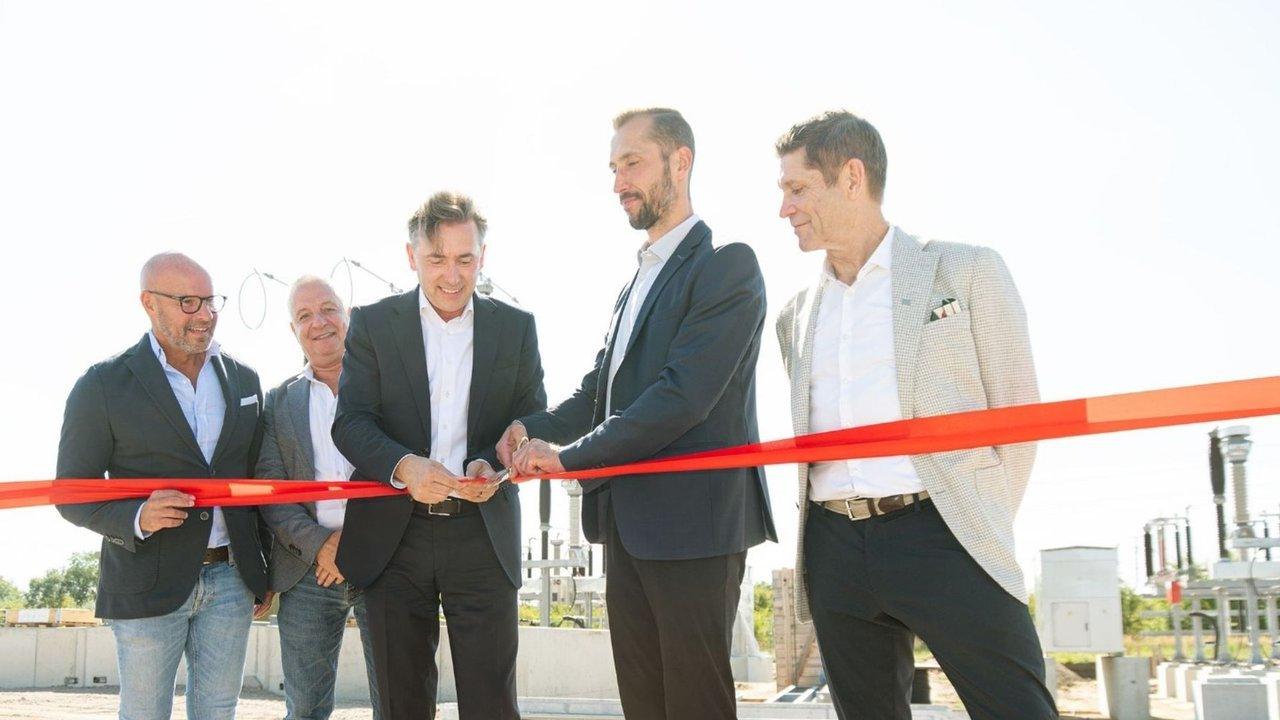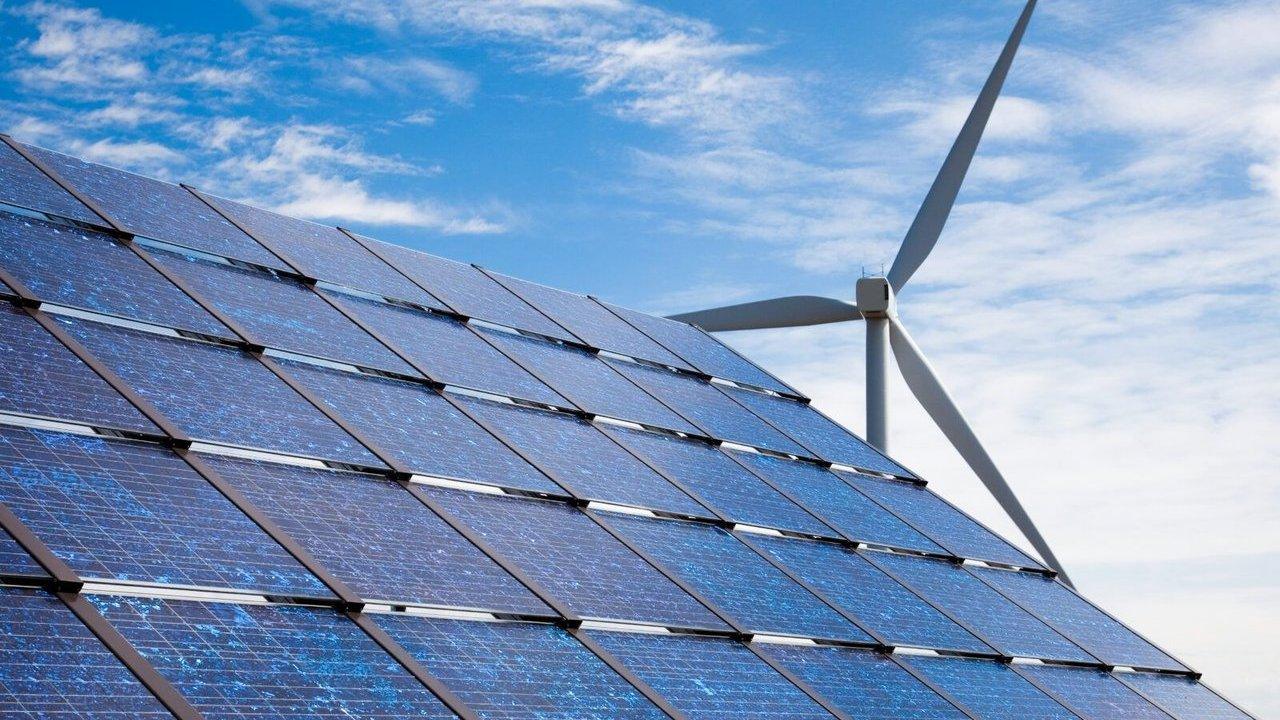
Ignitis and emsys VPP are expanding their Virtual Power Plant partnership to bring battery storage into Lithuania’s balancing market. The upgraded platform will support frequency control and grid stability by connecting battery systems to the Baltic power market. The collaboration builds on a Virtual Power Plant introduced in 2024 to support the direct marketing of Ignitis’ approximately 650 MW wind and solar portfolio. It also reflects the new operating requirements facing the Baltic electricity system since Estonia, Latvia and Lithuania synchronised with the continental European grid in February 2025.
A New Role For Storage
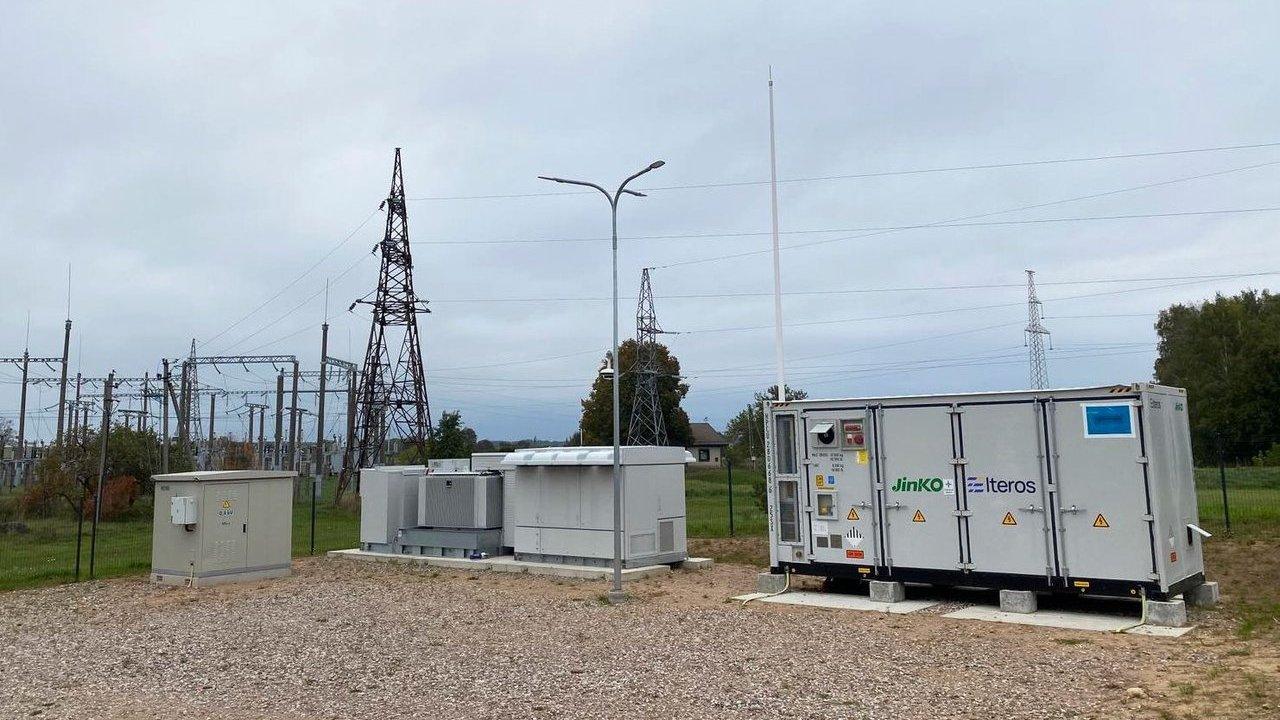
The project gives battery storage systems a broader role alongside their existing participation in the intraday market. By pooling assets through the Virtual Power Plant, the companies intend to create the digital infrastructure required to provide balancing energy when supply and demand diverge.
Flexible resources can respond rapidly to changes in electricity generation and consumption. This capability is increasingly relevant in systems with variable wind and solar generation, where grid operators must maintain a stable frequency while accommodating short-term changes in output.
Eike Arndt, Managing Director at emsys VPP, said:
“By expanding our partnership with Ignitis, we are creating new opportunities to use flexible assets in renewable energy trading and grid stabilization. Battery storage systems, in particular, can respond very quickly to changes in the grid and therefore play a key role in increasing the flexibility of the power system.”
Baltic Grid Requirements
System stability has taken on added importance since the Baltic States disconnected from the Russian-controlled IPS/UPS system on 8 February 2025 and joined the continental European synchronous area the following day. Synchronisation created new requirements for controlling frequency and balancing short-term fluctuations across the power system.
The platform will connect relevant assets to the control system of Lithuania’s transmission system operator, Litgrid. Before assets can take part in the balancing market, they must be technically connected and prequalified, ensuring they can provide the required service when called upon.
The work will initially focus on automatic Frequency Restoration Reserves, known as aFRR, and manual Frequency Restoration Reserves, or mFRR. The companies may later extend the solution to other flexible assets, including wind and solar power plants.
Pooling Flexible Assets
Ignitis and emsys VPP have worked together since 2024, combining direct marketing with generation forecasts for Ignitis’ wind and solar portfolio. The latest addition enables the Virtual Power Plant to integrate flexible assets for balancing power, linking battery operation more closely to both electricity trading and grid requirements.
Battery systems can discharge electricity when generation falls unexpectedly, or absorb electricity when the system has a surplus. This provides a practical way to help balance a grid with a frequency target of 50 Hz, while allowing storage owners to participate in relevant power markets.
Aivaras Slivikas, Head of Short-Term Trading at Ignitis, said:
“Adding the balancing power module to the VPP marks an important next step in our collaboration with emsys VPP. Pooling battery storage systems in our Virtual Power Plant enables us to respond more precisely and flexibly to the daily needs of the electricity and balancing markets, while maximizing the value generated by these assets.”
Supporting Grid Balance
Balancing power offsets short-term differences between electricity generation and consumption. Positive balancing power can be provided by increasing generation, reducing demand or discharging storage into the grid. Negative balancing power is used when there is excess electricity available.
Different reserve products operate over different timescales. Frequency Containment Reserves respond first, followed by automatic and manual frequency restoration reserves as required. Together, these services help restore balance after a disruption or unexpected shift in generation and demand.
The project is supported by the German Federal Ministry for Economic Affairs and Energy through the Renewable Energy Solutions Programme of the German Energy Solutions Initiative. The programme supports German renewable energy and energy-efficiency companies entering new markets, with reference plants installed and marketed with support from the German Energy Agency.
A Platform For Further Flexibility
The expanded partnership provides Ignitis with a route to coordinate battery storage for both market trading and balancing services. For Lithuania’s electricity system, the approach brings faster-responding assets into the tools available for frequency control as renewable generation expands.
With the initial focus on battery storage, aFRR and mFRR, the project establishes a foundation that could later accommodate wind and solar plants. The result is a more connected operational model for flexible resources in Lithuania’s electricity market.