The urgent need to act towards fighting against climate change is presenting the globe with
a ticking time bomb as organisations, governments, and individuals’ debate and take action
towards the prevailing issue at hand.

For farmers, who have suffered from environmental changes over the years, such as floods,
droughts, and increased temperatures, there is a strong consensus that more must be done
to create and implement “greener” practices within the agriculture sector to support the Net
Zero agenda.
The Paris Agreement sets out plans to limit global warming to 1.5 Celsius above pre-
industrial levels, meaning global greenhouse gas emissions will have to begin decreasing
yearly before 2025, then declining by 43 per cent by 2030 to then achieve net zero by 2050.
Mass adoption of regenerative farming, which put simply is farming which also improves the
environment is one of the most efficient ways to radically reduce CO2 emissions. Growing
food for the global population, which has just surpassed 8 billion, has become a large
contributing factor to greenhouse emissions, in fact, almost a third of these emissions come
from agricultural products.
Farming is not something that can simply be stopped, or even reduced with ease. Therefore,
solutions must be found and the agricultural industry, which produce and harvest the food we
all consume, should now be supported in their endeavors to reduce the negative impact
they are having on the environment.
Investing in agriculture
For the transition towards a sustainable future in agriculture to be achievable, meaning
conventional farming moving towards sustainable land management processes, increasing
access to capital for small and medium-sized farms is critical.
As technology has developed over the past decades, an increased effort toward innovation
means that there is in fact the developed tech that can make the agricultural industry one
that positively contributes to climate change. By reaching mass adoption of these currently
available technologies, the farming industry could achieve carbon neutrality at the very
least.
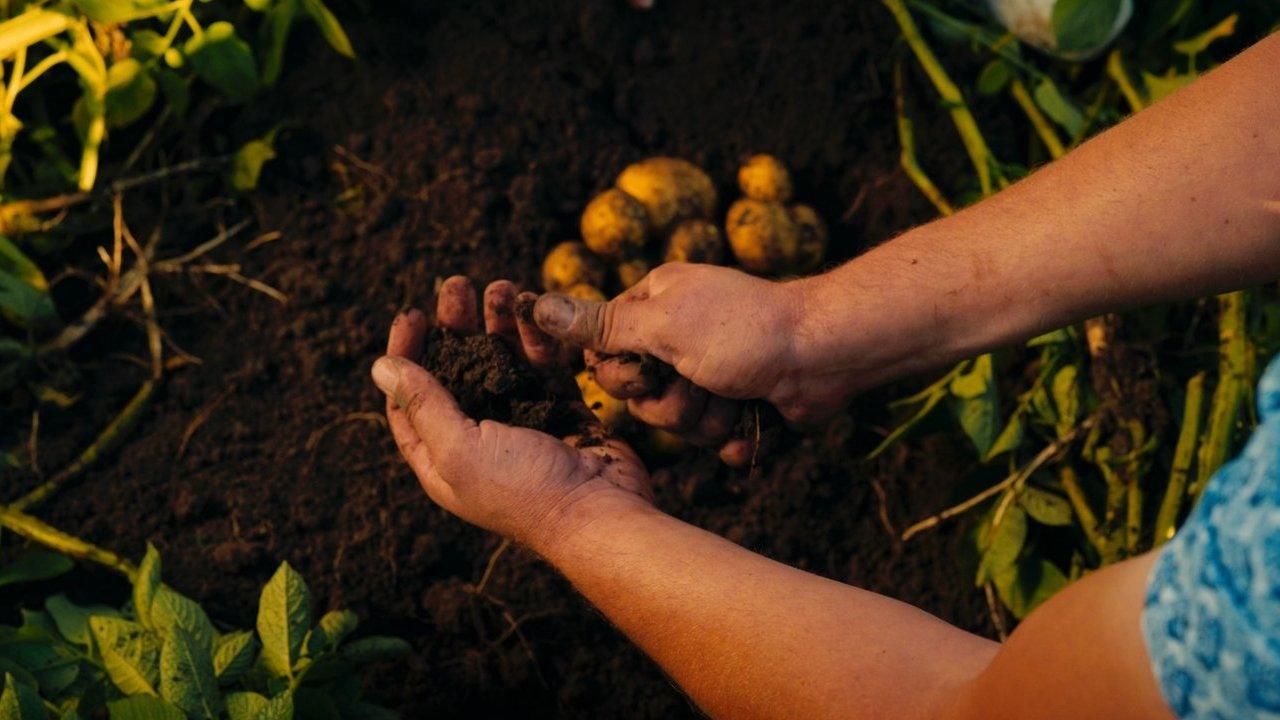
Carbon farming is one of the innovative approaches aimed at reducing the amount of carbon
dioxide entering the atmosphere by storing it within the soil, in turn, leading to increased
yields.
While many large agricultural enterprises already moved to no-till farming and more precise
agriculture, small and medium-sized farmer owners simply lack access to medium-term or
long-term loans to sufficiently implement sustainable farming methods, and utilise innovation
on the level needed.
The farming industry needs investors, people with the capital to support agriculture in its
transition to a greener sector. For large organisations, under pressure to reduce their carbon
footprint, this presents an opportunity to them in that they can receive their returns in the
form of carbon credit certificates.
Currently, organisations can buy carbon credits which act as proof of climate-positive actions, done by somebody else, however, by investing in and supporting the farming industry, corporations can lend capital to farmers and receive carbon credits in exchange, removing the need to purchase by directly supporting the cause.
Fintech marketplaces now exist that help to leverage funding to accelerate the shift SME’s in agriculture towards sustainable soil management practices like no-till or reduced tillage, precision agriculture, and reduced use of fertilizers and fuel. By connecting farmers and investors, we create relationships and support the strive for a clean ecosystem, creating high-quality carbon certificates that ensure a market premium price for generating the best possible returns for investors.
Benefits for all
One way of reducing the amount of CO2 in the atmosphere involves finding and implementing ways to absorb it and this will play a key role in achieving the net zero by 2050
Not only will this benefit everyone across the globe, allowing the earth to return to a healthier state, but it also presents an opportunity for investors to tap into the rapidly growing carbon certificate market
Investors will get access to high-quality carbon certificates, verified by international, non-governmental organisations that investigate and measure the carbon output of the land before issuing the carbon certificates, making them one of the beneficiaries in this early market.
For farmers, the benefits are clear. Not only do they become environmentally friendly, socially responsible, and economically viable, but they are also able to enhance their practices by reducing soil erosion and increasing resiliency to high temperatures, droughts and floods.
The benefits for both parties involved are clear, while the wider scale impacts of providing a solution to the agricultural sector being the third largest contributor to greenhouse gas emissions in Europe, is evident
The regenerative approach to farming which is based on sustainable agricultural practices should now be where attention is focused, on both farmers and investors who wish to capitalise upon this opportunity and contribute to the restoration of the planet.
Together, farmers can improve their practices, investors can become more environmentally friendly and billions of carbon dioxide can be removed from our atmosphere, all positively contributing to the fight against climate change.

Written by Laimonas Noreika, CEO and Founder of HeavyFinance