Why Food and Beverage Businesses Must Embrace Sustainable Nutrition
Sustainable nutrition is emerging as a powerful framework for addressing some of the most pressing global challenges. This post highlights some insights from Tasting the Future consultancy founded by Mark Driscoll, who encourages us to rethink our perspective on food.
Climate change, biodiversity loss, and food insecurity are escalating, highlighting the shortcomings of our current food systems. Industrial agriculture prioritises efficiency and profit, often at the expense of environmental and human health. This model has led to widespread soil depletion, water scarcity, and rising greenhouse gas emissions, all while failing to deliver nutritionally adequate diets for populations. Shifting our mindset away from viewing food purely as a commodity for profit benefits the planet, farmers, and all people.
A shift of thinking is needed, one that redefines the role of businesses in food production and consumption. Sustainable nutrition offers an alternative approach, considering not how food is grown, processed, and distributed but the types of food we eat Integrating ecological, social, and health-based principles presents a blueprint for transforming business models and making them fit for the future. Too often, businesses treat health, nutrition and sustainability in silos when they should be looked at together to identify the trade-offs and synergies. This is what Mark calls “a systems approach”
Beyond Profit: Rethinking Value Creation
Mark Driscoll explains that the UK is only 62% self-sufficient in food with just 23% of the fruit and vegetables eaten in Britain grown here. Our current global food system is built on an extractive approach, depleting natural resources to maximise short-term profits. However, as consumer awareness grows and environmental pressures intensify, businesses must rethink how they create value. Sustainable nutrition challenges the notion that success is measured purely by economic gain. Instead, it emphasises long-term resilience by balancing profitability with ecological and social responsibility.
Regenerative agriculture is one example of this shift. By prioritising soil health, biodiversity, and water conservation, regenerative farming practices improve yields without relying on synthetic inputs. Businesses that adopt such approaches contribute to ecosystem restoration while future-proofing their supply chains against climate-related disruptions.
Shifting towards sustainable nutrition requires a fundamental rethink of food waste. Adopting circular economy principles such as cutting surplus, repurposing by-products, and redesigning supply chains to lower emissions, opens the door to significant innovation. Food Works Sheffield is a strong example of a company putting these principles into practice however real change demands collaboration across the entire food system. Businesses that integrate circular models not only shrink their environmental footprint but also enhance operational efficiency and build stronger consumer trust.
Nutrition at the Core of Sustainability
Sustainable food systems must not only be environmentally responsible but also nutritionally adequate. The rise of ultra-processed foods has contributed to increasing rates of obesity, diabetes, and cardiovascular disease. Many low-cost, widely available foods lack essential nutrients, reinforcing poor health outcomes and placing a long-term burden on healthcare systems.
A key challenge for businesses is shifting towards whole, nutrient-dense foods that are ethically and locally sourced. This means moving away from industrially processed products and towards ingredients that support both human and planetary health. The growing consumer demand for transparency, ethical sourcing, and functional nutrition presents an opportunity for companies willing to lead this shift.
The Role of Policy and Collaboration
While businesses have a crucial role in driving sustainable nutrition, systemic change cannot happen in isolation. Policy interventions such as subsidies for sustainable farming, tax incentives for waste reduction, and stricter environmental regulations are essential for creating a level playing field. Companies that proactively align with these changes will be better positioned to adapt to evolving market and regulatory landscapes.
Mark Driscoll of Tasting the Future states that “a dietary transition, combined with agricultural practices which restore, rather than degrade, our soil, environment and health and improve livelihoods must be the priority of governments, businesses, producers and citizens.”
Collaboration between businesses, policymakers, and civil society will be key in shaping the future of food systems. Cross-sector partnerships can accelerate innovation, share best practices, and create scalable solutions that benefit both businesses and communities.
A Necessary Shift, Not a Trend
Sustainable nutrition is more than a passing trend; it is a fundamental shift in how food systems must operate to ensure long-term viability. Businesses that adopt this framework will not only contribute to a healthier population but also build resilience against future economic and environmental challenges.
By rethinking business models through the lens of sustainable nutrition, companies can lead the way in creating a food system that is both profitable and sustainable one that nourishes people while restoring the planet for future generations. To find out more on Sustainable nutrition and other interesting takes on our food network please visit https://tastingthefuture.com
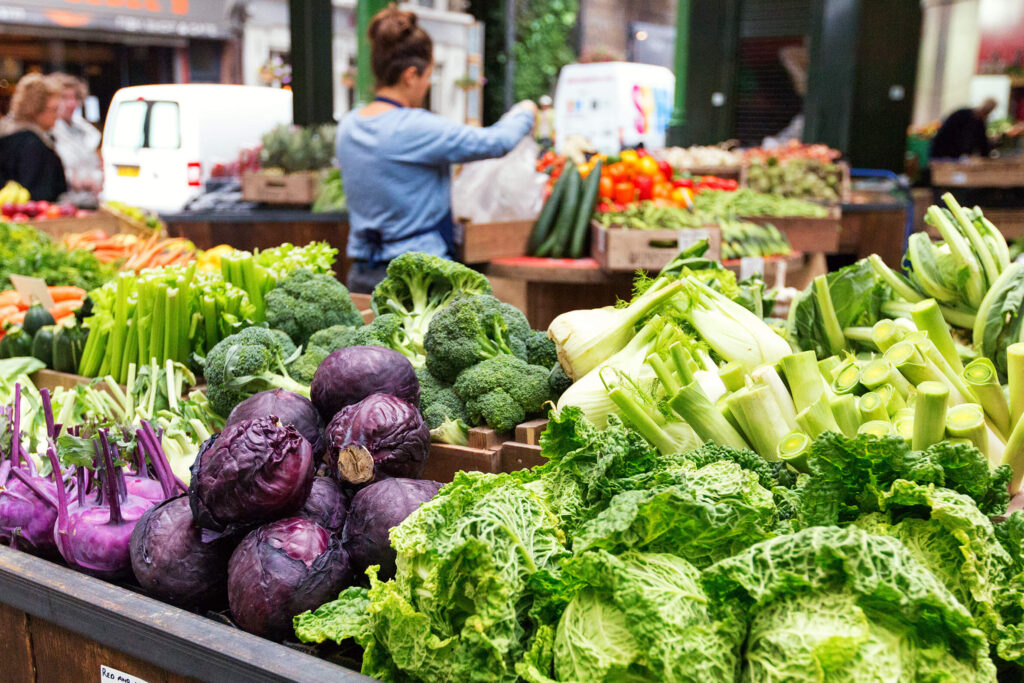
Photograph: Anna Levan/Shutterstock.com