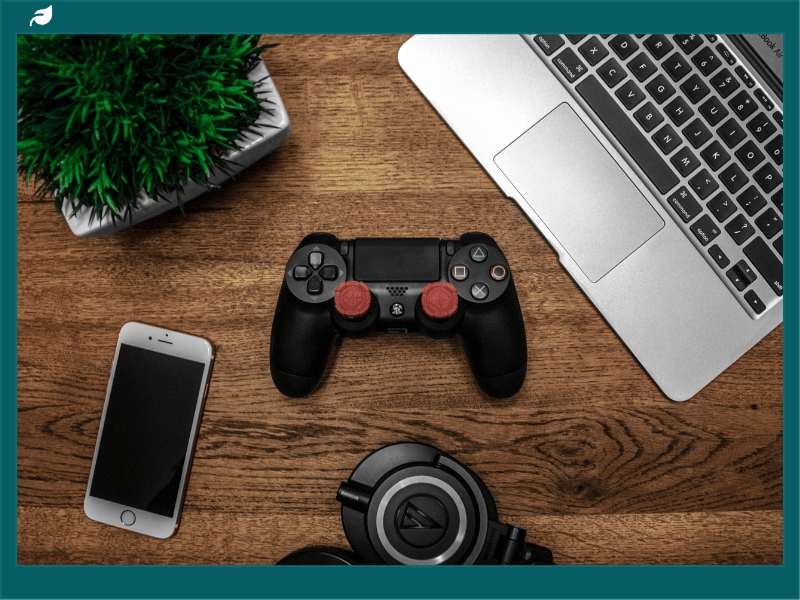
Games are more digital than ever, but hardware remains a significant part of the gaming experience. Various pieces of hardware (consoles, gaming computers and peripherals, monitors, graphics cards, portables, and accessories) all require resources, energy, and manufacturing. When quickly discarded, what could be perfectly useful hardware just sits around collecting dust or ends up in a landfill.
A more circular gaming economy seeks to find ways to make products, parts, and resources last longer. It views ownership as a linear process (purchase, disposal) and explores avenues for reuse, repair, resale and ongoing value retention:
Why Gaming Hardware Has a Lifecycle Problem
Gaming hardware is expected to last for years, though technology cycles can affect how often consumers upgrade. New console generations, graphics cards and peripherals may even make long-usable goods appear old.
In turn, this opens up the use of secondary markets. What no longer fits the needs of a single player could still be fitting for another console, graphics card, controller, gaming laptop or simply an Xbox gaming accessory.
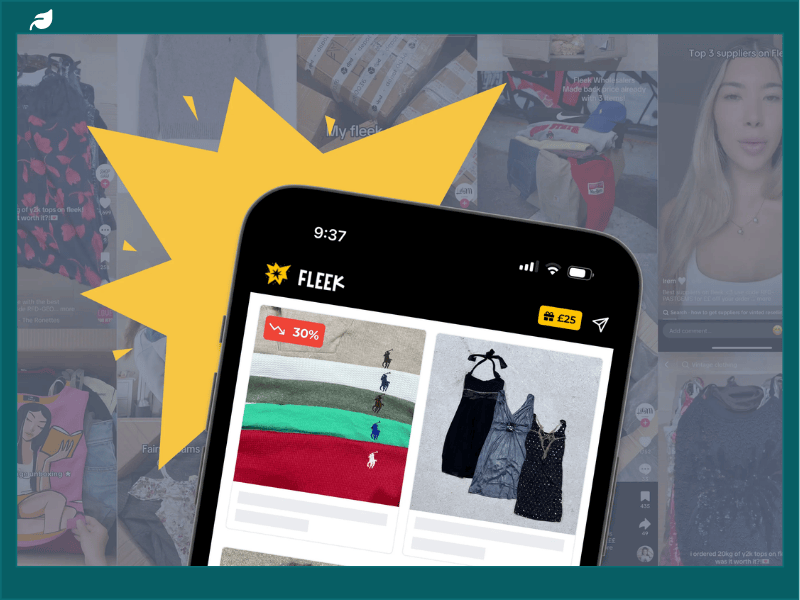
Reselling these products gives them a second lifecycle instead of sending them straight towards the dump. It may also help make playing video games easier by enabling consumers to buy more efficient hardware for less money.
Extending Value Beyond Ownership
A circular economy is not just further physical resale. It is about reselling and reusing resources, platforms, and devices, and using them for as long as possible before generating new demand.
The concept of increasing value-added add-ons through multiple purchases is not only present in the broader games industry but is increasingly evident across the digital economy as a whole. Consumers are often now more willing to use digital platforms to generate value around time, access, participation, and existing hardware/technology platforms. Be it secondhand selling on resale sites or peer-to-peer platforms, or the various kinds of services that answer the question of “what are the best paying survey sites“, they all demonstrate how certain economic value can be created without the need to physically produce, package, and ship an additional tangible good.
The general principle is so applicable here that a playing community is already engaged with digital spaces, making the current systems more valuable to them. People are already exchanging repair information, selling used consoles and games, and trading consoles they are no longer using.
Secondary Markets Keep Products in Use
Resale sites may also help prolong the usefulness of gaming hardware. If an individual trades in an older console when buying a new one, they are allowing the console to be used by a second household.
This buy-sharing argument isn’t limited to whole systems. Game controllers, headsets, monitors, and other accessories can be exchanged repeatedly. Repair and refurbishment can extend this longevity, especially when the item simply needs a new part or a light service.
Secondary markets may enable sellers to recoup some of the value of equipment they no longer have use for. Secondary markets may also be used by buyers as an avenue to obtain gaming equipment without buying new items.
Digital Distribution Changes the Equation
Digital distribution has also affected the circulation of video game products. Without physical discs, cases, and printed materials for downloadable games, some material inputs may be eliminated.
Still, digital ownership does not mean there is no impact on gaming. Servers, data centers, networks, and consumer electronics require energy and infrastructure. Hardware remains important, as consoles, PCs, and displays rely on manufactured components and raw materials.
This is why extending the lifespan of hardware is particularly important. The more years a piece of hardware remains in service, the less building and delivery work is needed.
Repair, Refurbishment and Reuse
Repair is a further factor in maximizing the value of gaming hardware. A broken controller does not always require wholesale replacement, unlike a gaming PC.
Refurbishment, which involves cleaning, testing, and part replacement, can rebrand older equipment in the eyes of a new purchaser. This familiarization can be part of the transition from the first to the second owner.
Manufacturers can ease the burden by designing products for easier repairs and by providing parts, documentation, and software support for longer. Consumers can ease the burden by personal intervention, upgrades, and resale.
Building a More Circular Gaming Economy
A circular gaming economy does not mean that players have to stop purchasing new technology; rather, it means that the lifecycle of current and used technology is extended more efficiently.
The survivability of gaming hardware can be extended through resale, repair, refurbishment and reuse. Digital distribution can reduce the amount of physical material needed while still creating new infrastructure requirements.
In the end, we want to do something beyond this simple purchase-use-dispose approach. If game hardware can have a long and useful lifespan across multiple owners, the same physical bits do more work to produce gaming activity before replacement is needed. That strategy could position secondary markets as a more prominent way for the game industry to frame value and sustainability.