Identification of the Arizona Bark Scorpion
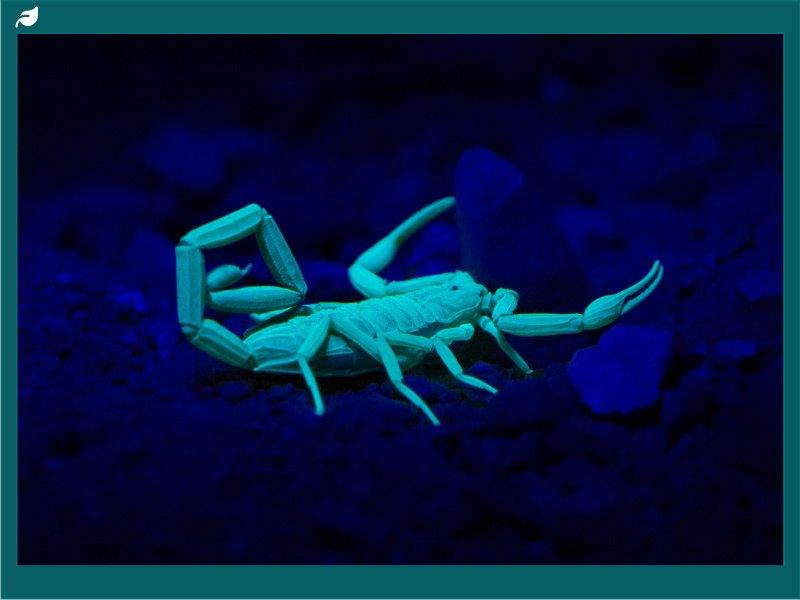
Here’s a fact that should stop you mid-step in the Sonoran Desert at night: shine a UV flashlight around, and the ground might glow back at you. That eerie blue-green shimmer comes from the Arizona bark scorpion, the most venomous scorpion in North America, and it’s smaller than your thumb. You’d expect something that dangerous to look the part, but this creature is thin, pale, and almost delicate looking. That’s the trick of it. National Center for Biotechnology Information reports that over 20% of young children stung by the Arizona bark scorpion in a recent clinical series required intubation for respiratory failure, underscoring just how severe a sting can be for the youngest and most vulnerable.
Found across Arizona and pushing into parts of the California bark region and beyond, this little arachnid has built a reputation far bigger than its body. Scientists know it as Centruroides sculpturatus. Everyone else just calls it trouble. Below, we’ll break down what actually makes this scorpion different from every other scorpion sharing its turf.
Physical Characteristics and Features
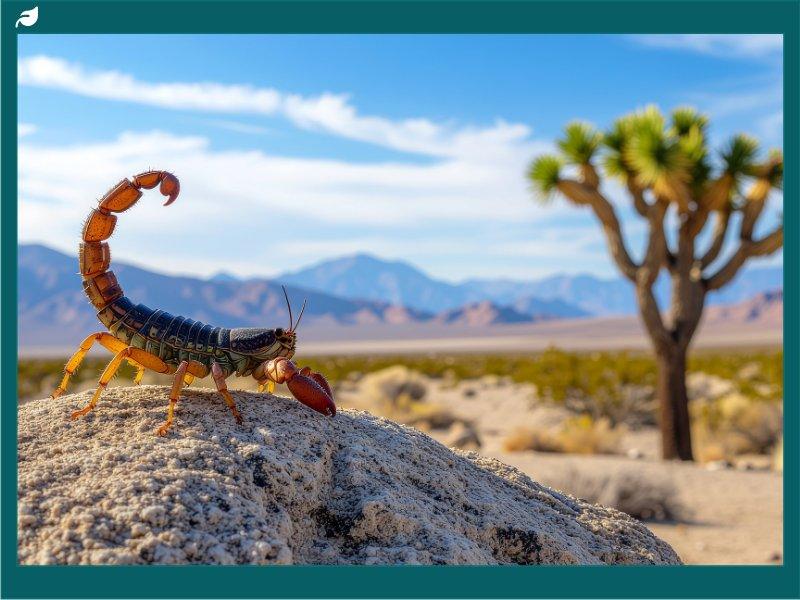
Don’t let the size fool you. The Arizona bark scorpion runs about 2.5 to 3 inches long, tan to light brown, built like a sliver of dried grass with a tail. That coloring isn’t random. It’s camouflage, matching the sandy, rocky ground of the Sonoran Desert so closely that you can walk right past one without noticing.
The tail curves up and back in that classic scorpion silhouette, and it’s loaded. As the most venomous scorpion on the continent, its sting punches well above the weight of its frame. That’s the tradeoff nature made here: a body too slight for brute force gets a chemical weapon instead. Its pincers, or pedipalps, are noticeably thin compared to other scorpion species in Arizona, and that’s actually a clue to its identity in the field.
Thin pincers plus that slender build usually mean venom-first, grab-second hunting.
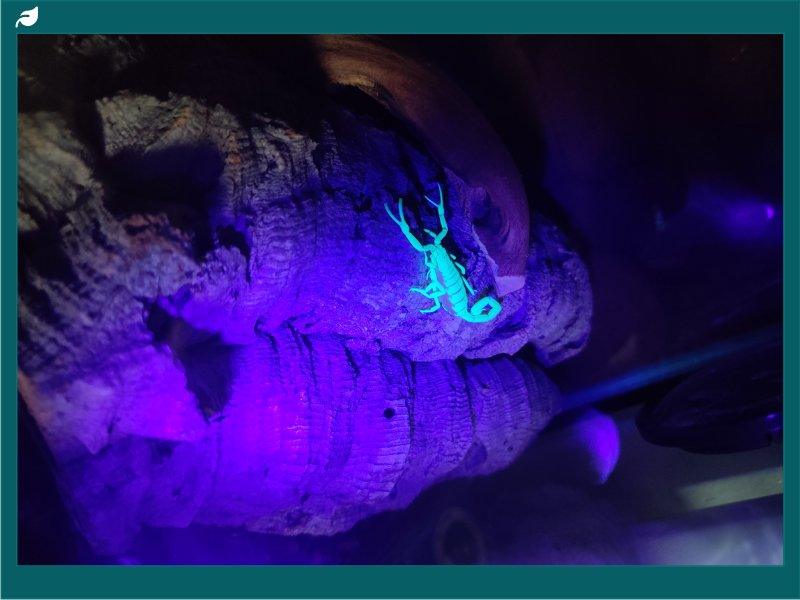
Those pedipalps carry specialized sensory hairs that pick up the faintest vibrations, letting the scorpion detect prey before it ever sees it coming. And then there’s the glow. Under ultraviolet light, its exoskeleton fluoresces, a trait researchers and hobbyists both rely on to spot them after dark. Nobody’s entirely sure why it happens, but it makes nighttime scorpion surveys a lot easier.
By day, it disappears into crevices and under rocks, waiting out the heat. Come sunset, it emerges to hunt, fully nocturnal and fully in its element. That timing isn’t laziness. It’s survival, dodging both the punishing daytime sun and the predators that hunt in it.
Add in a genuine talent for climbing rough vertical surfaces, walls, tree bark, stucco, and you’ve got an animal built for getting into places you don’t expect.
Understanding the Habitat of the Arizona Bark Scorpion
This scorpion doesn’t just tolerate harsh terrain, it thrives on it. Across the Sonoran Desert and into pockets of Grand Canyon National Park, the Arizona bark scorpion has found a formula that works: shelter close by, prey close by, and enough heat to keep everything moving on its terms. It shows up often enough in park habitats that it plays a real, measurable part in the local food web. And because it slides just as easily into backyards as it does into desert washes, its habitat story is really a story about adaptability.
Preferred Environments and Locations
Warmth, cover, food. That’s the whole checklist for an Arizona bark scorpion picking a home. The Sonoran Desert delivers all three in spades, a landscape of rocky outcrops, open sand, and thin, scattered vegetation that’s short on comfort but long on hiding spots. Come winter, when temperatures actually drop, these scorpions don’t tough it out in the open.
They hibernate, tucking under rocks and bark where the insulation keeps them from freezing, conserving energy until warmth returns.
But wild desert isn’t the only address on file. Human development, parks, neighborhoods, backyard gardens, has a funny way of recreating scorpion-friendly conditions without meaning to. Basements, attics, and garden beds mimic the crevices and cool, dark pockets these animals already look for. That’s exactly why an urban home near Tucson can end up hosting one as easily as a rock pile miles from any street.
Educational stops like the Desert Museum lay this out clearly, showing visitors how predator and survivor instincts shape the scorpion’s daily choices. And it’s not confined to quiet corners either. Tourist-heavy ground, including areas around the Grand Canyon, offers the same arid stretches and hiding spots the species has always relied on. Wherever the climate and geology line up, the Arizona bark scorpion tends to follow, which says a lot about how resilient this animal really is across North America.
Get familiar with what it looks for in a home, and you get a lot better at predicting where you might run into one, which matters if you’d rather not.
Encountering Scorpions in National Park Areas
Walk any trail through Grand Canyon country or similar Arizona parkland, and you’re walking through prime scorpion real estate. The stark, sun-baked terrain of the Sonoran Desert is stitched with microhabitats, rock shelves, log piles, shaded crevices, that these scorpions use constantly. For hikers and researchers alike, that means encounters aren’t rare. They’re expected.
By day, the scorpions tuck into shade and stay put. By night, the whole picture changes. They emerge to hunt insects and small prey while temperatures drop, timing that cuts down their exposure to daytime predators and competition alike. It’s a pattern that guides at desert attractions like the Desert Museum point out constantly, because it explains almost everything about where and when you’ll actually see one.
Their role here isn’t decorative. Scorpions act as both predator and prey within these parks, and their appetite for insects has a real, cascading effect on the wider food chain. Park programs generally teach visitors how to view them safely, keeping distance to avoid disturbing habitat and, frankly, to avoid getting stung. A sting hurts, no question, but it’s typically manageable with prompt medical care.
Awareness campaigns inside these parks exist for exactly this reason: so adventurers get to enjoy the landscape while respecting one of the more misunderstood residents of it. Understanding the balance between exploration and conservation keeps both the visitors and the scorpions better off.
Behavioral Patterns and Adaptations
Survival in the Sonoran Desert takes more than a tough exoskeleton, and the Arizona bark scorpion has behavior to match its biology. Its nocturnal habits and hunting style aren’t just quirks, they’re the whole reason it can hold its own in one of the harshest climates in North America, wild or urban. Look closely at how it hunts and hides, and you start to see a genuinely well-engineered survivor.
Nocturnal Activities and Hunting Methods
Sunset is when the workday starts. Emerging only after dark lets the Arizona bark scorpion dodge the desert’s brutal daytime heat while still getting food and mobility in before the cold months set in, when hibernation takes over again. It’s an evolutionary split shift: daylight for hiding, darkness for everything else.
The hunting method itself is precise rather than brute. Those sensitive pedipalps and specialized hairs detect ground vibrations from approaching insects and small vertebrates, often before the prey even registers a threat is near. Once it locks on, the strike is fast, and the venomous sting does the rest, subduing prey almost instantly. That efficiency is exactly why bark scorpions matter ecologically.
They’re a genuine check on local insect populations, not just an incidental predator.
Then there’s that glow again. Under ultraviolet light, the exoskeleton fluoresces in a way that’s fascinated researchers for years without a fully settled explanation. Some suspect it might serve as a warning to predators about the venom waiting underneath. Whatever the reason, it’s become one of the most recognizable identifiers of the species.
What really stands out, though, is how comfortably these scorpions move into built environments. Gardens, rock walls, the crevices around a house foundation, all of it reads to a bark scorpion like just another patch of desert. That flexibility is what makes them equally fascinating to researchers and genuinely worth being cautious about if you live nearby.
Essential Safety Tips and Precautions
Fascinating, yes. Harmless, no. The Arizona bark scorpion’s venom is potent enough that respect isn’t optional if you live in or visit its range. It plays a legitimate ecological role, but that doesn’t mean you want one in your shoe.
Preventing and Treating Scorpion Stings
Start with the house itself. Seal cracks around windows, doors, and walls, because those tiny gaps are exactly how scorpions get indoors in the first place. Clear out wood piles, debris, and overgrown vegetation near the foundation too. That kind of clutter is basically a welcome mat for a scorpion looking for shelter or a place to breed.
Food matters as much as shelter. Scorpions go where the insects are, so cutting down bug populations around your home makes the whole property less appealing to them in the first place. Keep things clean, remove standing attractants for insects, and you’re removing the incentive for scorpions to follow. Indoors, get in the habit of shaking out shoes and checking bedding before use.
If a sting does happen, stay calm and move fast. Wash the site with soap and water right away to cut infection risk. A cool compress helps with swelling and pain, and skip the alcohol, since it can dilate blood vessels and speed up venom absorption, the opposite of what you want. Over-the-counter pain relief can take the edge off, but getting medical advice is still the smart move, especially for children or older adults, who tend to react more severely.
Watch for warning signs that go beyond local pain, things like difficulty breathing or muscle twitching, and get professional help immediately if they show up. Arizona’s healthcare system sees enough scorpion stings that most facilities are well prepared to treat them. Knowing the basics, including the fact that Arizona bark scorpions glow under UV light and can be spotted at night with the right flashlight, makes prevention that much easier. Supporting local wildlife education, or just paying attention at your nearest Desert Museum exhibit, helps build a community that understands these animals instead of just fearing them.