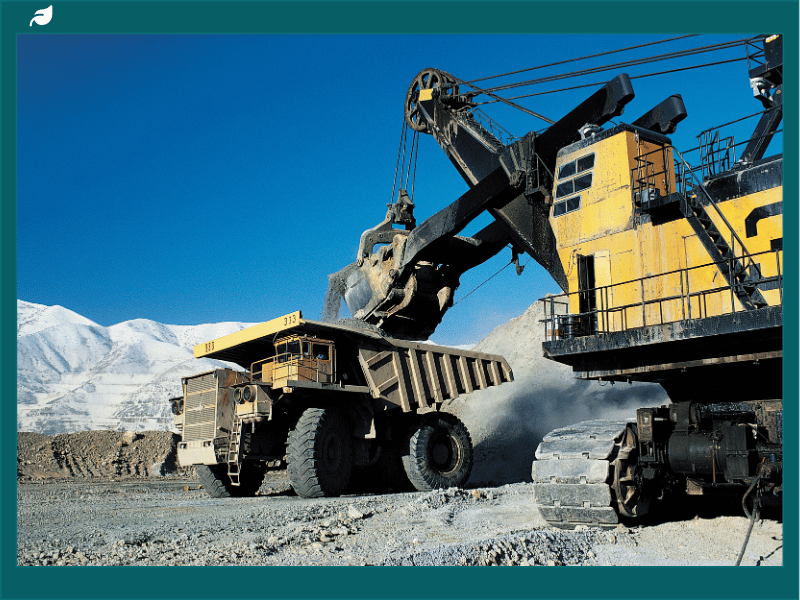
A single mechanical seal retrofit at a major copper mining operation is saving roughly 288,000 litres of clean water every day, after John Crane, the flow control technologies business of FTSE 100 industrial group Smiths Group plc, replaced a traditional packing arrangement on a critical tailings pump. Announced in London in May 2026, the project also marks a company milestone: at approximately 270 mm in shaft diameter, it is the largest slurry seal John Crane has sold to date.
The retrofit targeted a Warman 550 underflow thickener slurry pump, one of the most production-critical assets in the mine’s tailings circuit. The pump moves high-density slurry, operating at approximately 65 percent solids, from the thickener into the tailings transport system. Any unplanned interruption at this point in the circuit can have an immediate impact on production, which has historically made operators reluctant to change proven, if inefficient, equipment.
The hidden water cost of packed pumps
Before the upgrade, the pump relied on a stuffing box, or packing, arrangement, a sealing method that depends on a continuous flow of clean water to lubricate and cool the packing material. In abrasive slurry service, the approach carried a double penalty: heavy water consumption and accelerated wear on the shaft sleeve, which needed replacing roughly every four months.
Those sleeve change-outs were major undertakings. Each one required a full mechanical crew working across two shifts, around 36 hours in total, supported by a 100-tonne crane, with extended exposure to safety and downtime risk. While the pump’s impeller and rubber liners were typically replaced once a year as part of planned maintenance, the sleeve replacements forced additional intrusive interventions into the schedule three times annually.
John Crane’s engineers designed a mechanical seal package installed at the rear of the pump, replacing the packing arrangement without requiring any modifications to the pump itself. The scope included an adapter sleeve to suit the shaft. To withstand the demands of mining service, the seal uses a controlled seal-flush arrangement that maintains a clean fluid environment at the seal faces, and is specified with diamond-faced materials for robustness should flush pressure drop and solids enter the seal chamber.
Measured results against a live benchmark
The performance data offers an unusually direct comparison. The seal-flush system was designed around approximately 11 m³/h at 75 psi, with actual operating flow running at approximately 7.5 to 8 m³/h since commissioning. A parallel pump at the same site, still operating with packing, has been consuming around 20 m³/h of water. The difference, roughly 12 m³/h, equates to approximately 288 m³, or 288,000 litres, per day, subject to site operating conditions.
The retrofit is also designed to align seal maintenance with the site’s planned annual major service interval, when the impeller and liners are already scheduled for replacement, eliminating the need for the disruptive mid-year sleeve interventions that defined the previous regime.
“Underflow thickener pumps are among the most critical assets in a mine’s tailings circuit, so customers are understandably cautious about change,” said Warren Smith, Global Mining Market Director, John Crane. “This project is a practical example of how improved sealing can reduce maintenance exposure and cut the clean water required for sealing, while supporting more predictable planned maintenance.”
Why water savings matter in copper
The result lands at a moment of intensifying pressure on water use across the copper sector. Conventional copper processing is water-hungry, with plants typically consuming between 0.45 and 0.6 cubic metres of water per dry tonne of ore, meaning a 50,000 tonne-per-day operation can draw around 30,000 m³ of fresh water daily. In Chile, which produces about a third of the world’s copper, the strain is acute: freshwater use by the mining sector is projected to fall from 10.9 m³/s in 2024 to 6.7 m³/s by 2034 as operators shift to desalinated seawater, which is expected to supply roughly 68 percent of mining water demand by 2034.
That substitution comes at a price. Desalinated water in Chile’s mining regions can cost approximately USD 5 per cubic metre, before the additional expense of pumping it more than 150 kilometres inland and up to elevations of 2,000 to 4,000 metres. Against that backdrop, every cubic metre of clean water a site avoids consuming carries both an environmental and a hard financial value, and water shortages have already forced output reductions of up to 44 percent at some Chilean operations.
Falling ore grades compound the challenge, since processing more material per tonne of copper drives water demand upward even as supply tightens. Industry analysis suggests companies combining water-efficiency measures have cut fresh water withdrawals per unit of copper by 35 to 45 percent, and incremental engineering improvements such as sealing upgrades form part of that picture alongside larger investments in desalination and tailings dewatering.
A signal for ageing mining assets
For mine operators, the project illustrates a broader opportunity: many existing plants were designed in an era when water scarcity carried less weight, and retrofittable technologies allow sites to cut consumption without capital-intensive rebuilds. The fact that this installation required no pump modifications, and that the seal is now the largest of its kind John Crane has delivered, suggests the approach can scale to the biggest equipment in the tailings circuit.
With copper demand set to rise on the back of the global energy transition, and water emerging as a defining constraint on production growth, expect retrofit-led efficiency projects of this kind to feature more prominently in mining sustainability strategies over the years ahead.