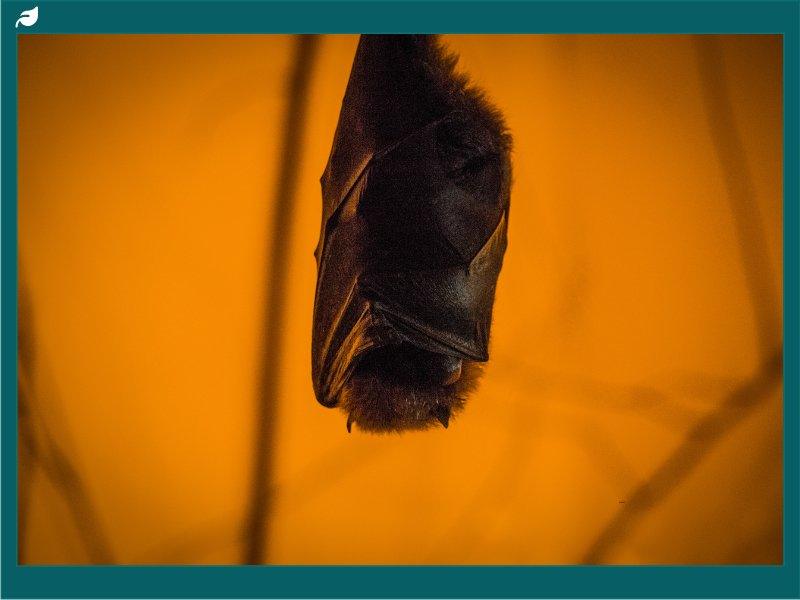
Bats are some of nature’s most resourceful survivors, and they’ve built up a whole toolkit of adaptations to get through the coldest months of the year. With over 1,400 species worldwide, their winter habits open a genuine window into how these animals endure and why they matter. Some bats drop into hibernation, a state of sharply reduced metabolic activity, to stretch their energy through the leanest stretch of the year. Others pack up and migrate to warmer ground, depending on their species and habitat.
Look closely at how bats hibernate and two things jump out at once: a striking talent for adapting to environmental change, and an ongoing need for conservation to protect these vital pollinators and pest controllers.
Understanding Bat Hibernation
Bat hibernation is a genuinely remarkable survival strategy, letting these animals ride out harsh winter conditions by dialing their metabolism down to a crawl. Understanding why bats hibernate helps to appreciate their adaptability, since hibernation is essential for conserving energy during food scarcity. The process of entering hibernation reveals the biological complexity that enables bats to survive in cold environments. Different bat species have developed varying hibernation patterns and sites, often seeking refuge in hibernacula where conditions are stable.
By hibernating, bats contribute to maintaining ecological balance during the winter months.
Why Bats Hibernate
Bats hibernate first and foremost as a biological response to everything winter throws at them. As cold-blooded mammals, bats rely on external temperatures for body heat regulation, so the scarcity of insects during winter creates a serious survival problem. That lack of food makes hibernation a necessity. During hibernation, bats enter a state known as torpor, where they significantly lower their metabolic rate and body temperature, conserving energy when the environment doesn’t provide sufficient resources for activity.
This state isn’t limited to bats, but their adaptation reflects considerable resilience and evolutionary refinement. Some bat species have developed this hibernation process to the point where they can reduce their metabolic needs to a fraction of normal rates, allowing them to use stored fats more efficiently.
As wildlife, these animals seek out hibernacula such as caves and abandoned mines that provide stable temperature and humidity, both of which are essential for successful winter hibernation. The selection of hibernacula is influenced by environmental factors and the availability of suitable refuges, which are critical to their survival strategy. Bats wake occasionally during winter to manage bodily functions and preserve muscle condition, but they remain mostly inactive until conditions improve.
Understanding why bats hibernate also deepens our appreciation of their ecological roles. Hibernating bats help balance ecosystems by controlling insect populations, which supports agricultural health and reduces the need for pesticides. Appreciating this adaptive behaviour reinforces the case for habitat conservation efforts that protect these species throughout their hibernation period.
A few additional points worth noting about bat hibernation:
- Bats reduce heart rates significantly, down to just a few beats per minute, conserving energy remarkably well.
- Many bat species use communal roosts, huddling together to increase warmth and reduce individual energy expenditure.
- Certain bats can store big amounts of fat, sustaining them through prolonged periods of inactivity.
- By hibernating, bats minimise exposure to predators that are more active during the colder months.
- Bat hibernation is synchronised with their internal biological clocks, linked to daylight and temperature changes.
- Some bats use brief awakenings known as “arousals” to rehydrate, which is vital for survival in dry hibernacula.
- Hibernation sites are often reused annually, which is why habitat protection matters so much for bat conservation.
The Process of Entering Hibernation
For many bats, the slide into hibernation begins as early as October, when falling temperatures flip a physiological switch. This preparatory phase is critical. Bats focus on gaining sufficient fat reserves to sustain them through months of dormancy. As winter approaches, bats begin reducing their feeding as insect availability diminishes, and they start seeking out suitable hibernacula.
That selection is meticulous, guided by the need to find microclimates that offer stability in temperature and humidity, both essential for preventing dehydration and maintaining energy reserves through winter.
Once a site is located, bats begin a gradual decrease in metabolic activity through torpor, which facilitates their adaptation to the cold. This state differs from regular sleep: it dramatically reduces physiological demands. As temperature falls, many bats enter this state and their body temperature drops close to the ambient temperature. Breathing and heart rates decrease significantly, making minimal use of energy and stored fat.
This carefully managed process is essential for survival and for reproductive success, since energy conserved during winter is needed for the breeding season that follows. Bats can also awaken if temperatures rise unexpectedly or if disturbances occur, though such events deplete their energy reserves. The entry process varies among bat species. Some are capable of deep, extended hibernation, while others enter repeated periods of torpor across the winter season.
Understanding how bats begin hibernation gives us real insight into the adaptability of these creatures in the face of ecological change.
Bats in Winter: Behavioral Patterns
Come winter, bats settle into distinct routines that reveal exactly how they survive the season. As temperatures drop, they must adapt their feeding and roosting habits to manage energy availability and maintain basic physiological functions. Shifts in temperature and climate change also affect their winter activities, requiring bats to choose between various adaptive strategies to get through the season. Examining these patterns gives us a clearer picture of the balance bats maintain with their habitats and the role they play in local ecosystems during winter.

Changes in Feeding and Roosting Habits
As winter closes in, bats overhaul their feeding and roosting habits, driven by the need to conserve energy when the cold bites and food runs short. The drop in temperature reduces insect activity, forcing bats to cut back on regular feeding. Rather than nightly forays to feed, hibernating bats rely on fat reserves built up during the warmer months. This behavioural shift is a critical adaptation that allows them to avoid starvation when food sources are virtually non-existent during winter.
Bats must also choose suitable roosting sites for the long, cold months ahead. These roosting sites, known as hibernacula, typically offer stable conditions with minimal temperature fluctuations, which are essential for bats to enter deep torpor. Caves, mines, and occasionally man-made structures serve as refuges, providing the temperature and humidity levels conducive to survival. Within these spaces, bats congregate in large numbers.
That helps conserve heat, but it also requires managing potential disruptions from environmental factors or human interference.
The choices bats make in feeding and roosting directly influence their survival outcomes during winter. A miscalculation could deplete energy reserves prematurely, affecting health and survival rates. Understanding these adaptive changes is important for appreciating how bats persist through adverse conditions. These behavioural adjustments also strengthen the case for conservation efforts to protect roosting spots that are critical for sustenance during harsh winter months.
Impact of Temperature and Climate Changes
Shifting temperatures and a changing climate press hard on how bats behave in winter. As climatic conditions shift, bats face new challenges that affect their hibernation strategies and survival prospects. In warmer-than-usual winters, bats might awaken from hibernation prematurely or more frequently, disrupting their metabolic balance and depleting energy reserves. Maintaining a low body temperature during hibernation is critical, and any change in ambient temperature can challenge their survival strategy.
Climate change also brings unpredictable weather patterns that may alter the availability of traditional hibernacula. As some winter habitats become unsuitable due to shifts in temperature stability or increased human impact, bats are forced to find new roosting sites that can offer the thermal regulation needed for successful hibernation. These shifts add to the pressures bats already face in managing resource scarcity during winter.
Bats must adapt quickly to climate variability, which shows their resilience, but the long-term sustainability of bat populations is closely tied to how well they can cope with these environmental shifts. Conservation efforts are important here, with a focus on preserving natural habitats and hibernacula with stable temperatures. Protecting these aspects of bat ecology matters for their survival and for maintaining their role in regulating insect populations and ecological balance. Understanding the impact of temperature and climate changes on hibernating bats also offers a broader window into global climate shifts and their effects on biodiversity.
November: A Key Month for Bats
November is crunch time for bats, the month when species across the board start gearing up for winter hibernation. During this month, bats engage in behaviours critical for survival, such as selecting hibernacula and accumulating fat reserves. The shift in temperature and decreasing daylight hours signal these animals to start settling down for winter. Understanding what happens in November helps us appreciate how bats balance ecological roles while hibernating.
Their preparation and hibernation patterns also shed light on how various bat species have evolved to thrive in conditions such as snow-covered talus and similar environments.
Preparation for Hibernation
As November unfolds, bats throw everything into preparing for the months of hibernation ahead. This preparation involves searching for suitable hibernacula: specific locations like caves, abandoned mines, or old buildings that provide stable temperatures and humidity levels necessary for bats to successfully hibernate. Bats hibernate in these areas because they offer protection from predators and disturbances, while allowing bats to use their energy reserves efficiently. The choice of hibernacula is influenced by temperature stability and minimal human activity, ensuring an undisturbed resting environment.
During this period, bats also increase their food intake aggressively, building sufficient fat reserves to sustain them through winter months when insect activity drops sharply. Bats can consume up to their body weight in food nightly just before the scarcity that winter brings. This fat accumulation is part of an adaptive strategy that reflects the biological complexity of these creatures.
Many bats regularly hibernate to conserve energy, lower their metabolic rates, and enter torpor. This drastic reduction in physiological activity significantly lowers the energy required for survival, allowing them to endure winter without feeding regularly. Their ability to enter and exit hibernation as needed displays an extraordinary responsiveness to environmental cues. November is therefore a critical precursor, one that determines whether a bat’s hibernation and winter survival will be successful.
Identifying Hibernating Bats
Spotting hibernating bats opens a direct window into their habits and the shelters they choose. Habitats chosen by different bat species for hibernation include caves, tunnels, and other subterranean spaces, including snow-covered talus where conditions remain constant through dramatic weather changes. Knowing where bats hibernate can aid conservation and help with implementing protective measures essential for maintaining populations.
When found hibernating, bats are in a state of torpor with reduced bodily functions. Their breathing is shallow, heart rates are low, and they’re notably inactive. The physiological state of a hibernating bat can almost resemble death to the untrained eye, but this is a critical survival adaptation that allows bats to conserve energy when food is scarce. Identifying hibernating bats involves observing these reduced physical signs and understanding the conditions that are conducive to their hibernation.
Signs of bat hibernacula can be identified by the presence of bat guano near entries to potential hibernation sites. These clues help researchers locate habitats, enabling study and protection of these creatures amid climate and environmental changes. The little brown bat, for instance, is a species frequently found hibernating in big numbers, which reflects both its social nature and the protective advantages of group hibernation. Conservation of these hibernating sites is vital not only for individual survival but also for sustaining entire bat populations.
Understanding bat hibernation is important for conservation efforts and for exploring the impacts of climate change. With over 1,400 species, each with unique hibernation patterns, bats play an essential ecological role in controlling insect populations and supporting pollination. Human activities, habitat disturbance, and climate change all threaten their survival, making informed conservation practices more necessary than ever. By continuing to study bat hibernation habits and adapting strategies accordingly, researchers and conservationists can better protect these nocturnal animals and ensure their ecological contributions remain intact.