Running a franchise takes a lot of daily coordination. You manage inventory, employees, utilities, packaging, deliveries, and customer service all at the same time. With so many moving parts, waste can build up quickly without you even noticing it.
That waste costs money. It also affects how customers view your business.
More consumers now pay attention to how companies handle sustainability. They notice excessive packaging, food waste, high energy use, and disposable products. At the same time, many franchise owners are realizing that reducing waste can also lower operating costs and improve efficiency.
Sustainability is no longer something only large corporations talk about. It has become part of everyday business operations, including franchising.
According to the U.S. Environmental Protection Agency, reducing and reusing materials is one of the most effective ways businesses can lower waste and reduce environmental impact.
For franchises, small operational changes can make a real difference over time.
Reduce Single-Use Materials
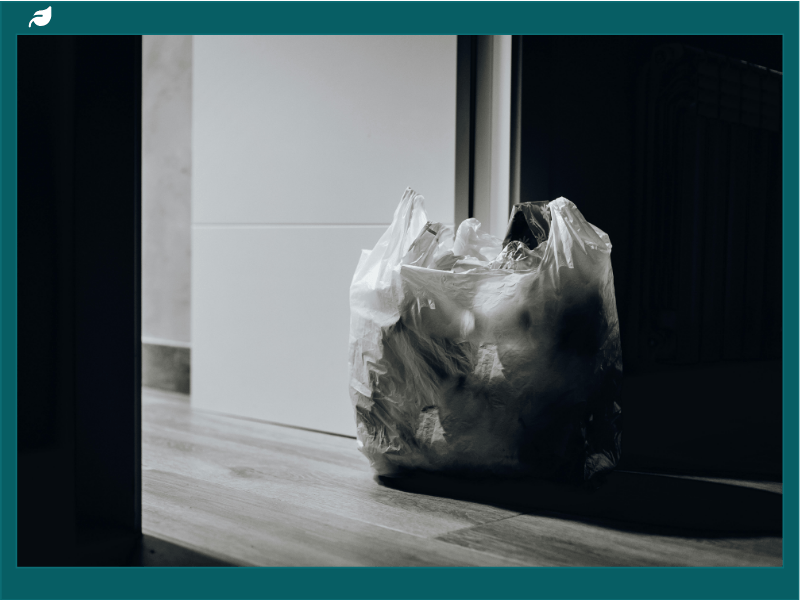
Many franchises rely heavily on disposable products. Restaurants use takeout containers, retail stores use shopping bags, and service businesses often use paper forms or printed materials.
Some of these items are necessary. But many businesses use more than they actually need.
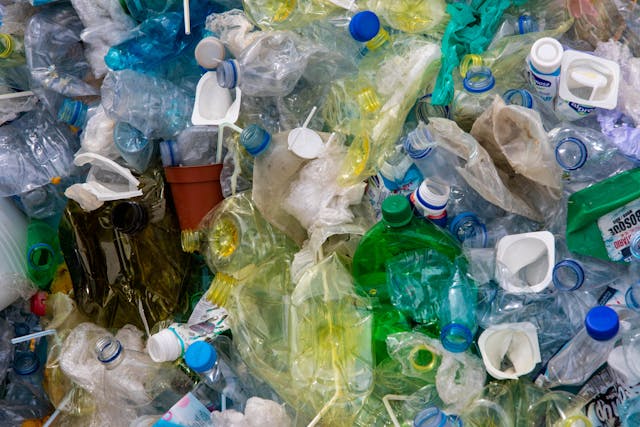
You can start by reviewing where waste happens most often. In food franchises, packaging is usually a major source of waste. Some brands now use recyclable or compostable containers instead of foam or plastic packaging.
This change is not always cheap at first. Sustainable materials often cost more upfront. But customers increasingly expect businesses to make these changes, especially younger consumers.
A franchise coach can also help owners identify waste reduction strategies that fit their specific business model. Instead of applying the same sustainability ideas to every franchise, coaches often help operators focus on practical changes that work within their budget and daily operations. This can make it easier for franchise owners to reduce single-use materials without creating unnecessary costs or operational problems.
You can also reduce waste by offering digital receipts, reusable bags, or refill programs where it makes sense.
Even small changes matter when they happen across dozens or hundreds of franchise locations.
Improve Energy Efficiency
Energy costs are one of the biggest ongoing expenses for many franchises.
Lighting, refrigeration, heating, cooling, and kitchen equipment all use large amounts of electricity every day. Older equipment often wastes more energy than owners realize.
Simple upgrades can lower both energy use and monthly utility bills.
LED lighting is one of the easiest improvements. It lasts longer and uses less electricity than traditional bulbs. Smart thermostats can also help control heating and cooling more efficiently, especially during off-hours.
Some franchises invest in energy-efficient appliances and equipment when replacing older systems. The upfront cost can be higher, but the long-term savings often offset the investment.
Not every franchise location has the same needs, though. A busy restaurant will use energy differently than a cleaning service or fitness center. That’s why owners need to evaluate their own operations instead of copying trends blindly.
Use Better Inventory Management
Poor inventory control creates unnecessary waste in many franchise businesses.
Restaurants throw away expired food. Retail stores over-order seasonal products. Service businesses may stock supplies they rarely use.
Better forecasting helps reduce these problems.
Many franchises now use inventory software that tracks sales patterns and predicts demand more accurately. This helps owners avoid over-ordering while still keeping enough products available for customers.
Food franchises especially benefit from tighter inventory systems. Reducing food waste lowers purchasing costs and cuts disposal expenses at the same time.
Still, there’s a balance. Ordering too little can create shortages and hurt customer satisfaction. Sustainability should improve operations, not create new problems.
The goal is efficiency, not perfection.
Move More Operations Online
Paper waste adds up quickly in franchise systems.
Printed schedules, paper invoices, training manuals, forms, and receipts all create ongoing waste. Many franchises have reduced this by moving more processes online.
Digital scheduling tools make it easier for employees to access shifts and updates without printed paperwork. Online training platforms also reduce the need for physical manuals and printed materials.
Customers are increasingly comfortable with digital receipts and online ordering as well.
These systems often improve organization in addition to reducing waste. But technology changes can also create challenges. Some employees need extra training, and smaller franchise owners may face upfront software costs.
Even so, many businesses find that digital systems save time and reduce long-term operating expenses.
Work With Sustainable Suppliers
A franchise’s environmental impact goes beyond its own walls.
Suppliers affect packaging, transportation, product sourcing, and manufacturing practices. Some franchise systems now look for vendors that use recyclable materials, reduce emissions, or source products more responsibly.
Local sourcing can also reduce transportation distances and support nearby businesses.
This approach works well in some industries, especially food service. But it is not always practical everywhere. National franchise systems often rely on standardized suppliers to keep consistency across locations.
That means sustainability improvements sometimes happen slowly in large franchise networks.
Still, even small supplier changes can reduce waste and improve operational efficiency over time.
Train Employees to Reduce Waste
Sustainability policies only work if employees actually follow them.
You can install recycling bins and energy-saving equipment, but daily habits still matter. Employees play a major role in how much waste a business creates.
Simple training helps build better routines.
Staff should understand how to sort waste properly, reduce unnecessary packaging, manage inventory carefully, and avoid wasting supplies. Clear processes make these habits easier to maintain.
This does not require complicated programs. In many cases, consistency matters more than large sustainability campaigns.
Franchise owners should also make expectations realistic. Employees already manage busy workloads, especially in food service and retail environments. Sustainability practices need to fit naturally into daily operations.
Sustainability Can Strengthen Long-Term Operations
Many franchise owners first focus on sustainability because customers ask for it. But operational sustainability also helps businesses become more efficient.
Reducing waste can lower supply costs, decrease energy bills, improve inventory control, and simplify operations. Over time, those savings can become significant.
There are limits, of course. Some environmentally friendly products cost more. Certain operational changes take time to implement. Not every sustainability trend will make financial sense for every franchise.
But businesses that ignore sustainability entirely may struggle as customer expectations continue to change.
People increasingly want to support companies that operate responsibly. Franchises that reduce waste and improve efficiency are often better positioned for long-term stability.
Conclusion
Franchises create waste in many different ways, from packaging and energy use to inventory losses and paper-heavy systems. But small operational changes can reduce that impact while also improving efficiency.
You do not need a perfect system to make meaningful progress. Simple steps like improving inventory management, reducing disposable materials, upgrading equipment, and training employees can add up over time.
Sustainability in franchising is not only about environmental responsibility. It is also about running smarter, more efficient businesses that can adapt to changing customer expectations and rising operational costs.
The franchises that pay attention to these changes now will likely be in a stronger position in the years ahead.