Marine and coastal tourism continues to expand as millions travel each year to beaches, reefs, and ocean destinations. The sector remains a major contributor to global economies, but its rapid growth is placing increasing strain on marine environments.
The appeal of coastal regions lies in their natural beauty and biodiversity. Yet rising visitor numbers and associated development are contributing to pollution, habitat degradation, and disruption to marine life.
Marine pollution remains one of the most visible impacts. Waste that enters the ocean, particularly plastic, persists in ecosystems for decades. Estimates suggest that around 51 trillion pieces of microplastic are present in global water bodies. Tourism contributes to this through single-use items and materials that are not properly recycled or disposed of.
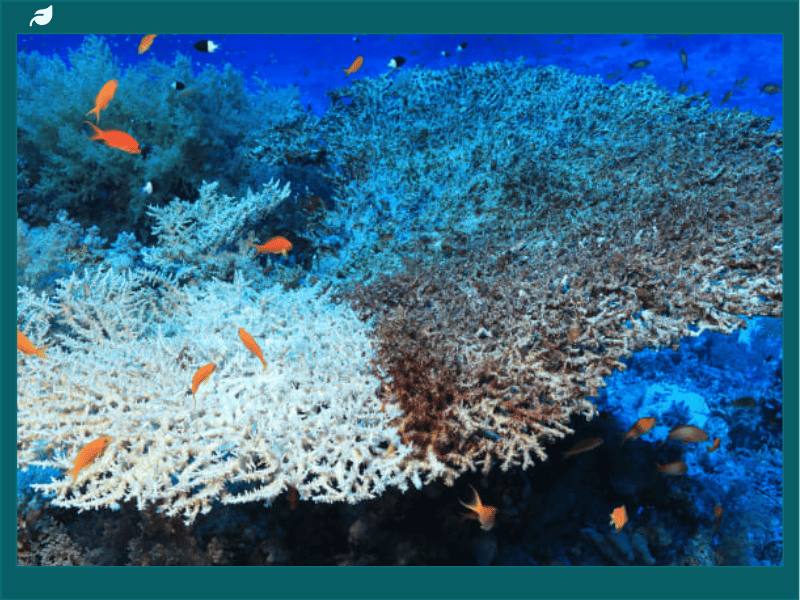
Coral reef systems are also under pressure. These ecosystems developed over thousands of years and support a wide range of marine species. Increased diving, snorkelling, and coastal activity are affecting reef health, while certain chemicals found in suncream have been linked to coral bleaching. Without appropriate management and awareness, tourism activity can accelerate the degradation of these environments.
Coastal development linked to tourism infrastructure is another contributing factor. The construction of hotels, resorts, and rental properties often leads to the removal of natural barriers such as mangroves and seagrass beds. These habitats play an important role in protecting coastlines and supporting marine biodiversity. Their loss can increase erosion and reduce breeding grounds for species including sea turtles.
Wildlife displacement is also associated with large-scale construction along coastlines. In some regions, marine species have been pushed out of their natural habitats. Along parts of the Mediterranean, for example, monk seal populations have declined significantly, with only a limited number remaining in the wild after being forced into less suitable environments.
Cruise tourism adds another layer of environmental pressure. Anchoring practices can damage seagrass meadows on the seafloor, while operational waste such as sewage discharge and oil leaks can affect water quality. Collisions with marine animals have also been recorded in areas with high ship traffic.
Less visible but still significant is underwater noise pollution. Marine species such as whales and dolphins rely on sound for communication and navigation. Increased boat traffic can interfere with these signals, making it harder for animals to locate food, communicate, or avoid danger.
Despite these challenges, marine tourism remains a major economic driver. Data from the European Union shows that the blue economy, which includes marine and coastal industries, employs 3.6 million people and generates €624 billion in turnover. Coastal tourism alone accounts for 29 percent of the sector’s total gross value added, contributing nearly €50 billion annually.
Employment figures further illustrate its importance. Around 54 percent of jobs within the EU blue economy are linked to coastal and marine tourism, equating to approximately 1.94 million roles. This makes it the largest employment sector within the blue economy, despite being heavily affected during the COVID-19 pandemic.
Globally, marine tourism represents a significant share of travel activity. It is estimated to account for around half of all tourism, with projections indicating it could contribute 26 percent of the total blue economy by 2030. Market growth is expected to continue, with forecasts suggesting a compound annual growth rate of 6.7 percent through to the end of the decade.
The financial scale of the sector is also increasing. The global marine tourism market is projected to reach $113.45 billion by 2030, up from $71.67 billion in 2023. North America and Europe currently dominate the market, representing around 80 percent of activity, with cruise tourism forming a large share of revenue in these regions.
At the same time, environmental costs are becoming more apparent. In the Mediterranean, one of the most visited marine regions, plastic pollution is estimated to result in annual economic losses of €268 million. Similar patterns are seen elsewhere, with the Atlantic Ocean absorbing significant volumes of plastic waste each year and the Pacific Ocean containing large accumulations such as the Great Pacific Garbage Patch.
Other popular destinations face comparable challenges. In the Caribbean, tourism demand has contributed to increased waste, with tens of thousands of tonnes of plastic entering the sea annually across several island nations. These trends point to the growing tension between economic benefit and environmental impact.
In the United States, marine tourism generates substantial revenue, contributing $143 billion annually and supporting 2.5 million jobs. Coastal states such as California, Florida, and New York lead in both employment and income generation. These figures reflect the sector’s role in supporting local economies, infrastructure, and public revenues.
Tourism also plays a part in foreign exchange earnings for many countries. For 38 percent of nations, it represents the primary source of income from international visitors. This reliance makes balancing environmental protection with economic activity a complex issue for policymakers.
Efforts to address these challenges are increasingly focused on responsible tourism practices and improved regulation. Awareness campaigns, waste reduction initiatives, and conservation programmes are being introduced in many destinations. Industry stakeholders are also under pressure to adopt measures that reduce environmental harm while maintaining economic viability.
The continued growth of marine tourism suggests that its environmental footprint will remain a central concern. Managing visitor activity, protecting ecosystems, and aligning development with conservation priorities are likely to shape the future of the sector.