The cost of solar panels in the UK varies significantly, influenced by factors such as the system size, panel efficiency, and installation fees. Solar energy is a sustainable alternative to traditional energy sources and a long-term investment in reducing electricity bills.
Understanding the potential savings and financial incentives available can help homeowners make informed decisions. This guide looks at current market prices, installation costs, and the economic benefits of opting for solar power, providing a thorough overview for those considering this eco-friendly solar energy solution.

The Basics of Solar Panels in the UK
As the demand for renewable energy grows, solar panels have become increasingly popular in the UK. This growing interest stems from a collective ambition to reduce carbon footprints and embrace more sustainable sources of solar energy.
With numerous technological advancements and government incentives, solar panels represent a significant home investment that can lead to long-term savings. Understanding the types of solar panels available and how geographic location and sunlight affect panel efficiency is crucial.
This knowledge ensures a better return on investment by optimising the performance of your solar panel system, and it gives homeowners the means to make sustainable solar energy decisions. A well-informed choice can significantly improve the electricity output and overall performance of the solar panel system, ensuring that you capture the maximum solar power available.
Being informed gives homeowners the ability to make solar energy choices that are both cost-effective and ecologically sound, bringing environmental benefits and economic advantages together.
Understanding the Different Types of Panels Available
In the changing world of renewable energy, various solar panel technologies cater to diverse needs and budgets. The most commonly installed types of solar panels in the UK are monocrystalline, polycrystalline, and thin-film panels.
Monocrystalline solar panels are known for their high efficiency and sleek design. They are made from a single continuous crystal structure, which allows for higher efficiency levels and better performance in low-light conditions.
Typically more expensive, they offer superior performance and are especially beneficial in areas with limited roof space, as they can generate more electricity per square meter than other panel types. This makes them a favoured choice for UK homes, where maximising solar energy production is a priority.
Polycrystalline panels provide a more cost-effective alternative, made by melting multiple silicon fragments together. Though slightly less efficient than monocrystalline solar panels, they still deliver solid performance levels, making them suitable for installations where budget considerations outweigh the need for the highest efficiency. With a bluish hue and a square shape, they are a practical choice for larger roof spaces where sufficient installation area compensates for the lower efficiency.
Another option is thin-film panels, which are gaining traction due to their lightweight and flexible nature. Made by depositing one or more layers of photovoltaic material onto a substrate, thin-film solar panels offer lower production costs and simpler manufacturing processes.
They are easier to install and tend to perform better in diffused sunlight conditions, albeit at a lower overall efficiency rate compared to crystalline silicon panels. Their versatility makes them ideal for unconventional installations where weight constraints or unique architectural designs are a consideration.
While they require more roof space to generate equivalent power, their adaptability to various surfaces and angles offers useful installation possibilities.
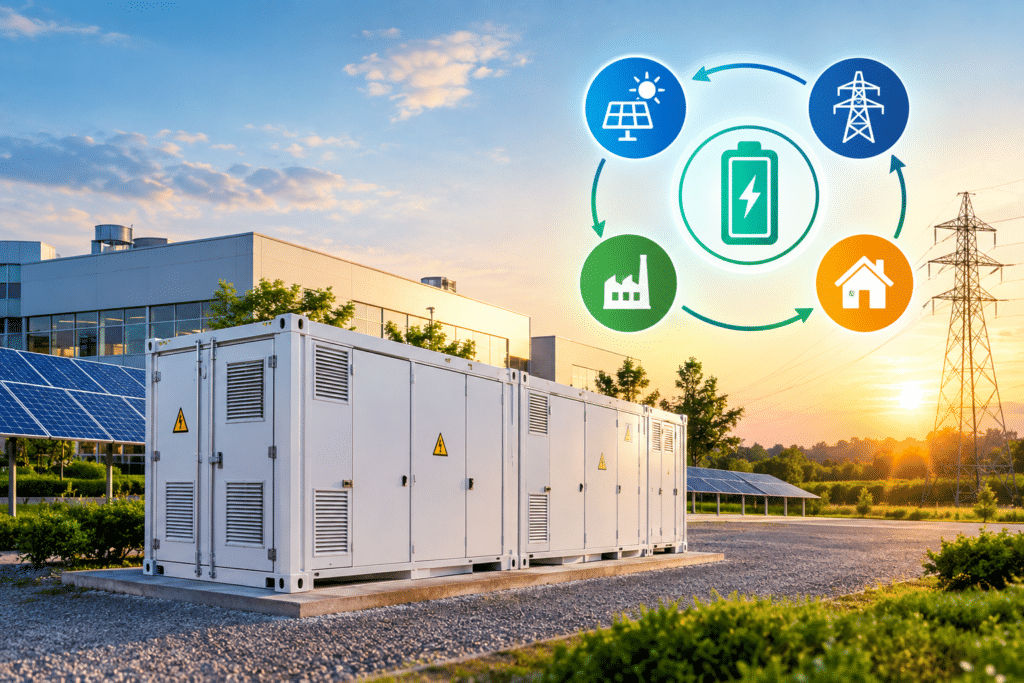
Solar battery storage systems have become a critical component of modern solar setups, allowing homeowners to store excess electricity generated during peak sunlight hours for use at times when sunlight is scarce. This is especially useful in the UK, where weather patterns can be unpredictable.
By maximising self-consumption and achieving greater energy independence from the grid, solar battery storage improves the overall efficiency and reliability of a solar power system. An efficient solar panel system incorporates these battery storage solutions, tailoring configurations to suit specific home energy needs and lifestyles.
As technology continues to advance, choosing the right combination of solar panels and battery storage solutions becomes important to ensuring sustainability and economic efficiency in harnessing solar power.
How Location and Sunlight Affect Panels Efficiency
Geographical location significantly influences the efficiency of solar panels, and in the UK, where weather conditions are varied, understanding these effects is vital for optimising system performance. The amount of sunlight a location receives directly impacts the electricity output of solar panels.
Southern parts of the UK, such as the South West and South East, typically offer the most favourable conditions for solar installations due to receiving more sunlight annually. These regions enable solar panels to generate electricity more effectively, making them ideal for maximising efficiency and return on investment.
Solar energy remains viable across the UK, even in northern areas that experience fewer sunny days. Modern solar panels are equipped to capture diffuse sunlight, which is abundant even on cloudy days. This makes solar energy an accessible and sustainable choice for homeowners throughout the British Isles, allowing energy independence to be achieved even in less sun-rich climates.
Panel orientation plays a crucial role as well. For optimal efficiency, solar panels should ideally face south and be installed at an angle that maximises year-round sunlight exposure.
This positioning helps capture the maximum amount of solar energy and can significantly improve the efficiency of the installation. Significant gains can still be achieved with east or west-facing solar panel installations, albeit at slightly reduced efficiency levels.
Adjusting the tilt of panels for seasonal variations can further improve electricity production, though this adjustment typically requires advanced systems or careful initial planning during installation to account for variation in the sun’s path across different times of the year.
Environmental factors such as shading from nearby buildings or trees can significantly impact solar panel output. Conducting a thorough analysis of potential shading obstructions before installation is therefore essential to ensure maximum generation capacity.
Strategic planning and clear assessments help anticipate and reduce the effects of shading, ensuring that installations are positioned for optimal sunlight exposure. Advancements in solar panel technology, such as micro-inverters and power optimisers, enable systems to reduce shading losses and improve output by optimising each panel individually.
This can result in increased solar energy harvest even when parts of the array are shaded, maintaining efficient performance and consistent electricity generation.
While natural sunlight variations pose challenges, strategic installation methods and technological improvements provide solid solutions, making solar energy in the UK not only feasible but increasingly efficient and practical. By making good use of available sunlight and reducing environmental interference, solar power systems can substantially contribute to cutting overall home electricity costs while promoting sustainable living practices across diverse UK climates. Careful deployment of solar technology is key to capturing the UK’s diffuse sunlight and turning it into a reliable and sustainable source of solar energy for homes nationwide.
What is the Average Cost of Solar Panels?
Understanding the average cost of solar panels in the UK is vital for homeowners considering a transition to renewable energy. While the expenditure can vary, a range of factors influence the overall panels cost, including the type of solar panel system and location.
Examining these elements offers useful insights into what makes up the price of solar panel installations. A detailed comparison of solar panels cost across different UK regions also sheds light on potential financial outlays and savings.
With this understanding, potential buyers can make informed decisions to ensure a cost-effective renewable solar energy investment.
Factors Influencing the Average Cost of Panels
Several critical factors determine the solar panel costs in the UK, directly affecting the upfront cost and, by extension, the investment’s long-term financial viability. Initially, the type of solar panels chosen can significantly impact the overall price.
Monocrystalline solar panels, known for their high efficiency and sleek finish, tend to be more expensive due to the superior silicon quality used in manufacturing. These panels are ideal for homeowners with limited roof space as they maximise electricity output per square meter, justifying their price through strong performance and efficiency.
Polycrystalline panels, offering a more budget-friendly alternative, have slightly lower efficiency, reducing the upfront cost but potentially increasing the installation area required. Thin-film solar panels, while gaining traction for their lightweight and flexible nature, often come with a trade-off in terms of space requirements and efficiency but offer a cost-effective solution due to their simpler manufacturing processes. Each of these options can affect the total solar panel cost, making selection crucial depending on individual home and energy needs.
Installation costs are another major factor affecting the average cost. This includes expenses related to labour, structural assessments, and potential modifications to the roof and building to support the solar panels.
The VAT rate applicable to the installation and the materials used can also influence the final price. Professional installation not only ensures optimal system performance but can reduce maintenance costs in the long run by minimising installation errors.
Geographic location plays a role too, as installation prices may vary regionally due to differences in sunlight exposure and local labour rates. Southern UK regions typically see higher solar panel system costs due to higher demand, but they also offer better sun exposure, which can offset the initial expenditure through stronger electricity generation over time.
Northern regions, while experiencing lower sunlight, might see reduced installation costs due to less competitive markets. Understanding these regional variations is vital for accurately assessing the financial implications of adopting solar energy.
The price quote provided by different suppliers can vary widely, influenced by market competition, service quality, and included warranties or maintenance packages. Prospective buyers would do well to seek multiple quotes and compare solar deals on offer, examining what is included to ensure a clear and thorough understanding of investment and potential long-term savings from solar panel installations. This approach keeps consumers informed and able to make decisions that are both economically and environmentally sound.
Comparison of Panels Cost Across the UK
The disparity in solar panel costs across various parts of the UK reflects broader economic, geographic, and market dynamics. While the average price for a residential solar panel system in the UK ranges from £4,000 to £6,000, this figure can fluctuate significantly depending on the region. In the South East and South West, where competition among suppliers is higher due to greater sunlight and popularity, customers often face elevated prices for premium solar panels and installation services as these regions aim to capitalise on readily available solar energy.
Northern areas such as Scotland see generally lower upfront costs due to weaker market penetration and higher sunlight unpredictability, prompting providers to offer competitive solar deals to attract customers. These areas benefit from lower installation costs, often aided by government incentives aimed at promoting renewable solar energy adoption in less sunny regions. Potential buyers in these areas could take advantage of reduced VAT rates or government subsidies designed to lower financial barriers to entry, making solar investments more attractive despite geographical challenges.
Any examination of solar panels cost is incomplete without considering the influence of local policies and incentive programmes. Across the UK, initiatives such as the Smart Export Guarantee (SEG), which replaced the Feed-in Tariff encourage solar adoption by offering financial returns for excess electricity generation. These frameworks help reduce initial expenditure and improve overall long-term savings, providing an economic counterbalance to the relatively higher upfront costs in sunnier areas.
The average cost variation can also be traced to the diversity of installations, ranging from standalone solar systems for individual homes to integrated solutions in new housing developments or community energy projects. The scale and complexity of these projects can significantly influence panel cost, installation requirements, and supplier pricing strategies. In such cases, prospective buyers should consider economies of scale that might reduce per-unit costs, making larger solar installations potentially more cost-effective than smaller-scale projects.
While geographic factors and market dynamics play substantial roles, making an informed decision requires understanding regional cost variations and using available financial incentives and VAT considerations. This approach allows UK homeowners to make economically sound choices, effectively balancing upfront costs against potential long-term solar energy savings and reduced utility expenses. By aligning region-specific cost evaluations with energy needs and available governmental incentives, households can maximise both financial savings and ecological benefits from their solar panel investments.

Factors Affecting Panel Installation Costs
Understanding the factors that influence solar panel installation costs is essential for potential solar adopters in the UK. These costs are affected by a variety of elements, including the technical specifics of the installation, the availability of government incentives, and regional differences in supply and demand.
By examining these elements, homeowners can better navigate the financial side of installing solar panels and optimise their investments. This section breaks down the installation process, covering key cost components and the impact of government incentives on affordability.
Breaking Down the Installation Costs for a New System
The installation costs for a new solar panel system in the UK are made up of several components that contribute to the overall expense. The most significant of these is the price of the solar panels themselves, which often accounts for a large portion of the installation cost.
Solar panels are priced based on their type, capacity, and efficiency, with monocrystalline panels typically costing more due to their superior efficiency and performance. These solar panels, though more expensive initially, offer higher electricity output levels, making them a preferred option for consumers looking to maximise power generation in limited spaces.
Labour costs also represent a substantial portion of the installation expenditure. The complexity of installing solar panels requires skilled professionals to perform assessments, system designs, and installations.
This need for specialist labour increases costs, but it also ensures that the solar panel system operates efficiently and safely. The structural integrity of the roof at the installation site also needs to be assessed and possibly reinforced, adding to the labour costs.
This process involves evaluating the roof’s capacity to support the weight of the solar panels and making necessary modifications to accommodate the installation.
Logistical expenses, including transportation and scaffolding, contribute to the overall installation costs as well. These costs can vary depending on the geographical location and accessibility of the installation site.
Urban settings might incur higher transportation costs due to congestion and logistical challenges, while rural areas could face increased costs related to distance and access to the solar installation site. Scaffolding can add further costs, especially for multi-storey buildings or locations with difficult roof access, making it a notable consideration in the overall installation budget.
Another factor influencing cost is the inverters and mounting hardware required for the solar panel system. Inverters convert the DC electricity produced by the panels into AC electricity, which is used by home appliances.
Selecting high-quality inverters and reliable mounting systems ensures optimal performance and longevity, though at a higher upfront cost. Investing in durable components helps to reduce maintenance and potential repair costs over time, contributing to a stable and efficient solar panel system.
VAT also affects the total cost. The UK government reduced the VAT rate for residential solar panel installation to encourage green energy adoption.
While the standard VAT rate is 20%, solar panel installations may benefit from a reduced rate, making the initial cost more manageable for homeowners. Working through these financial components requires careful consideration and consultation with professionals to ensure that prospective solar adopters are financially prepared for their transition to renewable solar energy.
To provide a thorough understanding, consider these additional elements that can affect your solar panel installation budget:
- Evaluate potential government grants or incentives to reduce overall costs.
- Consider financing options to spread the investment over manageable installments.
- Research energy storage solutions, such as battery systems, for enhanced usage efficiency.
- Analyze potential savings from reduced energy bills to offset installation costs.
- Explore maintenance agreements for long-term system efficiency and reduced unexpected expenses.
- Investigate the impact of seasonal weather patterns on installation schedules and costs.
- Consult with multiple installers for competitive pricing and service options.
Keeping these aspects in mind can help ensure a well-informed decision about your solar installation budget. Comparing solar deals from multiple providers and requesting a detailed quote from each installer ensures you secure the best value for your solar battery and panel investment.
The Role of Government Incentives in Reducing Installation Costs
Government incentives play a significant role in reducing the costs associated with installing solar panels in the UK. These incentives aim to promote the adoption of renewable solar energy sources, making solar panel installations more financially viable for households and businesses.
A primary tool in this effort is the Smart Export Guarantee (SEG), which compensates homeowners for excess electricity fed back to the national grid. By providing financial returns for surplus solar energy, SEG helps offset installation costs and improve the long-term economic outlook for solar investments.
Reduced VAT rates on solar panel installations also offer significant cost savings. The VAT for residential solar panels was cut from the standard rate of 20% to a reduced rate, effectively lowering the upfront cost burden on consumers.
This adjustment is designed to encourage wider adoption by making clean solar energy solutions more accessible and less financially daunting. The combination of these fiscal measures stimulates market demand and supports the UK’s environmental objectives by reducing greenhouse gas emissions.
Grant programmes and interest-free loans are available to assist with solar panel installation costs as well. Support for energy improvement projects now runs through ECO4 and the Great British Insulation Scheme, while solar-specific help comes mainly through the Smart Export Guarantee and 0% VAT on installations.
Although specific programmes change over time, understanding their availability and requirements is important for prospective buyers seeking to reduce their expenditure. These grants can cover a portion of the installation costs, making solar panels a viable option for a broader segment of the population.
Local councils often offer additional support through community solar initiatives, encouraging residents to invest collectively in solar energy solutions. These projects provide economies of scale, which can significantly reduce costs for participants by spreading expenses across a larger number of solar installations.
This collective approach enables homeowners to benefit from reduced prices for equipment and labour, offering a more accessible route to renewable solar energy. By participating in community schemes, residents not only save costs but also contribute to broader environmental and communal benefits.
Incentives also connect with technological advancements that facilitate financing options like power purchase agreements (PPAs) and lease arrangements. These models allow homeowners to install solar panels with reduced or no upfront costs, instead repaying the investment through lower electricity bills over time.
Through these financial arrangements, homeowners can get around the initial installation costs and start benefiting from reduced energy bills straight away. By combining government incentives with practical financing solutions and community engagement, the UK is driving the adoption of solar energy, showing that with the right support, renewable solar energy can be both economically and environmentally sound.

Choosing the Right Panel System for Your Home
Selecting an appropriate solar panel system for your home is central to getting the most from solar energy. Given the variety of solar panel systems available, key factors such as system size and quality require careful thought.
Understanding the importance of different solar panel sizes will help homeowners optimise the electricity output tailored to their specific needs and geographic location. Choosing quality solar panels ensures long-term efficiency and reliability.
Together, these considerations help in selecting a solar panel system that fits both personal energy goals and financial constraints, offering maximum benefits and sustainability.
Understanding the Importance of Panel System Sizes
When considering solar panel installation for your home, understanding the significance of panel system sizes becomes crucial. The size of the solar panel system directly impacts the electricity output, making it essential to align the system size with your household energy needs.
A system that is too small may not generate enough electricity, leading to continued reliance on the grid. An overly large system could result in unnecessary expenditure, as excess solar energy generated might not find a profitable outlet without proper battery storage solutions, like a solar battery.
Different sizes cater to varying household requirements and roof spaces, directly influencing the cost and viability of solar panel installations. A small home with modest energy needs might do well with a smaller solar panel size, keeping installation costs down while sufficiently covering electricity usage.
Larger households or those expecting to install energy-intensive systems, such as electric vehicle (EV) chargers, would benefit from a more extensive solar panel system, tailored to produce greater electricity output. Geographical location also affects the choice of solar panel system sizes.
Homes in sunnier regions of the UK, like the South East, can maximise solar panel efficiency even with a smaller system size due to higher sunlight exposure. Homes in regions with less sunshine may require larger solar systems to compensate for the reduced solar radiation and achieve the desired electricity output.
Panel orientation and available roof space are also critical factors to consider, as these elements dictate the actual installation area and optimal solar panel placement to maximise sunlight capture. The future-proofing potential of the solar panel system size is another factor worth considering.
As homeowners anticipate potential increases in future energy consumption, due to factors like growing families or the purchase of electric vehicles, selecting a solar panel system with slightly higher capacity can be a strategic choice. This allows for scalability and ensures sustained solar energy independence.
Government incentives and energy export schemes can also influence the decision on solar panel system sizes. Homeowners participating in feed-in tariffs or the Smart Export Guarantee may opt for larger solar systems to maximise the economic benefits of selling excess electricity back to the grid, thus offsetting the initial installation costs.
Selecting the right solar panel system size requires a detailed assessment of current and projected energy needs, available roof space, and geographic conditions. This tailored approach ensures efficiency, sustainability, and economic viability in adopting solar energy for home use.
Why Quality Matters in Panel Selection
Choosing quality solar panels for your home installation is essential, affecting not only the efficiency but also the longevity and warranty of the solar energy system. High quality solar panels, typically characterised by strong efficiency, durability, and consistent performance, provide reliable electricity generation even under challenging conditions like low light or partial shading.
This reliability is particularly valuable in the UK’s varied climate, where weather conditions can fluctuate significantly. Quality solar panels often come from reputable manufacturers known for innovation and rigorous testing standards.
These panels integrate advanced technologies that optimise solar energy conversion, such as high-efficiency monocrystalline cells, proven to deliver better power output compared to their polycrystalline counterparts. Investing in such solar panels ensures strong performance over the system’s lifespan, maximising cost-effectiveness through consistent electricity generation and reduced energy bills.
The importance of quality extends to the associated components of a solar panel system, including inverters and racking equipment. High-quality inverters convert solar panel DC electricity to usable AC power with greater efficiency, while reliable mounting solutions ensure safety and resilience against environmental stresses such as wind or snowfall.
Ensuring these components meet high industry standards guarantees optimal performance and reduces the risk of system failures and costly repairs over time. Warranty coverage is another critical aspect tied to the quality of solar panel systems.
Top-tier manufacturers often provide extensive warranties, reflecting their confidence in the product’s durability and performance. A well-backed warranty typically covers product defects and performance degradation over time, offering peace of mind and financial protection for homeowners investing in solar technology.
Higher quality solar panels contribute to sustainability goals by offering better energy efficiency and fewer emissions over their operational lifetime. These solar panels typically carry rigorous environmental certifications, ensuring that the production process aligns with eco-friendly practices.
This alignment with sustainability appeals to environmentally conscious consumers aiming to reduce their carbon footprint through renewable solar energy adoption. Quality considerations also play a critical role in influencing a home’s real estate value.
Homes equipped with high-quality solar panel systems tend to attract higher market valuations due to the promise of reduced utility costs and solar energy efficiency. This investment can bring financial benefits well beyond immediate energy savings, making the property more attractive to prospective buyers who value sustainability.
Focusing on quality ensures that homeowners get the most from their solar panel investment, reaping the benefits of reduced energy costs, lower environmental impact, and increased property value. Evaluating the quality of the components, manufacturer reputation, and warranty provisions, alongside traditional aspects like price and size, offers a thorough approach to selecting the ideal solar panel system for long-term sustainability.
Looking at solar panel costs in the UK reveals a range of financial implications and long-term benefits. Despite initial expenses, the investment in solar technology can lead to significant savings over time through reduced energy bills and potential government incentives.
The environmental advantages, such as decreased carbon emissions, contribute to a sustainable future. By weighing different solar panel options and considering factors like installation, maintenance, and efficiency, homeowners can make informed decisions to harness renewable solar energy effectively.
The evolving market offers opportunities for cost-effective solar panel adoption, building solar energy independence and contributing to ecological preservation.
Looking for a solar installer?
Compare MCS-certified solar panel installers across the UK in our directory, with ratings, reviews and free quotes, listed by county.
Related solar guides: