John Crane has completed a Quantitative Optical Gas Imaging survey for a leading food industry producer, identifying fugitive emissions and material losses linked to a critical extractor used in vegetable oil production. The findings provide the operator with data to prioritise maintenance activity, reduce hydrocarbon solvent losses and improve equipment reliability.
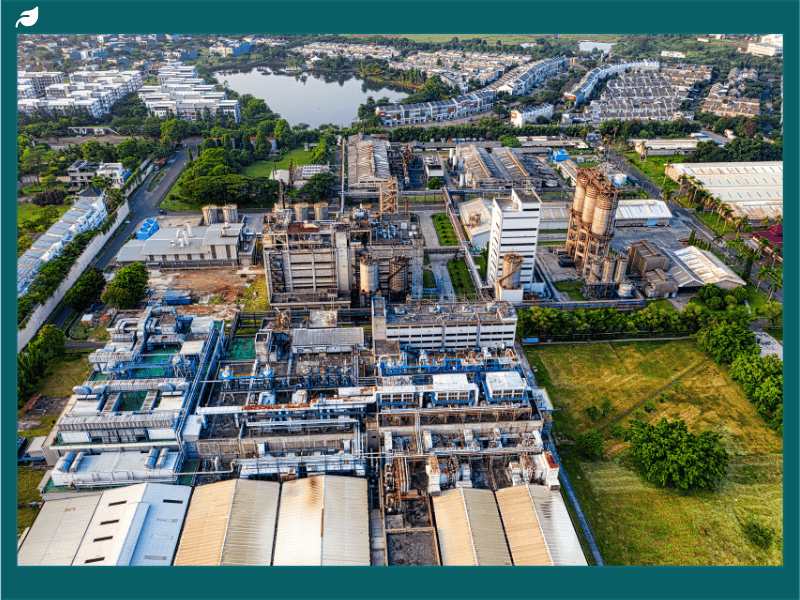
The survey was carried out at a facility where hydrocarbon solvents are used as part of the extraction process. John Crane engineers applied advanced Optical Gas Imaging technology to inspect fittings, seals, inspection points and flanges on the extractor system.
A total of 22 potential leak points were identified. Nine of these were quantified at a combined rate of approximately 16 kg per hour, giving the customer measured insight into the scale and location of emissions.
Based on the customer’s own reference value for hydrocarbon solvent use, the quantified leaks represented an estimated annual material loss in excess of $194,000 USD if left unaddressed. The cost of the survey was described as a fraction of the potential material savings, supporting a clear return on investment if corrective maintenance actions are taken.
The programme has since been extended. Following the initial inspection, further QOGI surveys have been completed at a second facility operating similar equipment. Repeat inspections at both sites are scheduled for early 2026 to assess the effectiveness of maintenance interventions and support ongoing performance improvements.
Interest in the approach has also spread within the organisation, with teams in other regions exploring similar inspections in their own operations. The expansion reflects wider industry attention on emissions management and resource efficiency in food processing, where solvent-based systems remain common in certain production lines.
By visualising and quantifying emissions that are not easily detected using conventional techniques, Quantitative Optical Gas Imaging enables operators to identify loss mechanisms in real time. In sectors such as vegetable oil production, where solvents play a critical role, early detection of leaks can help reduce product loss, limit environmental releases and maintain process stability.
“This project demonstrates how advanced diagnostics can support more reliable and sustainable food production processes,” said Philippe Lambert, VP Commercial and Service for John Crane. “QOGI provides customers with clear visibility of loss mechanisms, allowing them to target repairs effectively and validate the impact of maintenance over time.”
QOGI is delivered as part of the John Crane Performance Plus™ modular service framework, under the Asset Condition Management category. The framework is designed to support data-led maintenance planning across rotating equipment and associated systems.
Within the food industry, fugitive emissions are increasingly under scrutiny as operators balance production efficiency with environmental performance and workplace safety. Solvent losses can represent both a financial cost and a source of volatile organic compound emissions. Targeted inspection programmes are one method used by facilities to strengthen compliance and reduce unplanned downtime.
John Crane stated that integrating routine QOGI monitoring into a structured Managed Reliability approach can support improved maintenance scheduling and reduce operational risk. Repeat surveys are intended to confirm that corrective actions have delivered measurable reductions in emissions and material loss.
John Crane is a global supplier of flow control technologies and rotating equipment solutions for the energy and process industries. Its portfolio includes mechanical seals, seal support systems, couplings and filtration systems, supported by service and digital diagnostic offerings. The company operates more than 200 service, sales and manufacturing centres across 50 countries and is part of Smiths Group plc, a FTSE 100 industrial technology company.
The recent QOGI surveys demonstrate how diagnostic technologies are being applied beyond traditional energy and heavy industry settings, with food processing emerging as another area where emissions visibility and maintenance data can contribute to cost control and operational performance.