As the electric vehicle market matures, a new challenge is emerging alongside its rapid growth: what happens to EV batteries when vehicles reach the end of their first life? A major new investment by UK-based Connected Energy aims to provide a compelling answer — and could accelerate the commercial viability of second-life battery energy storage systems (BESS) at scale.
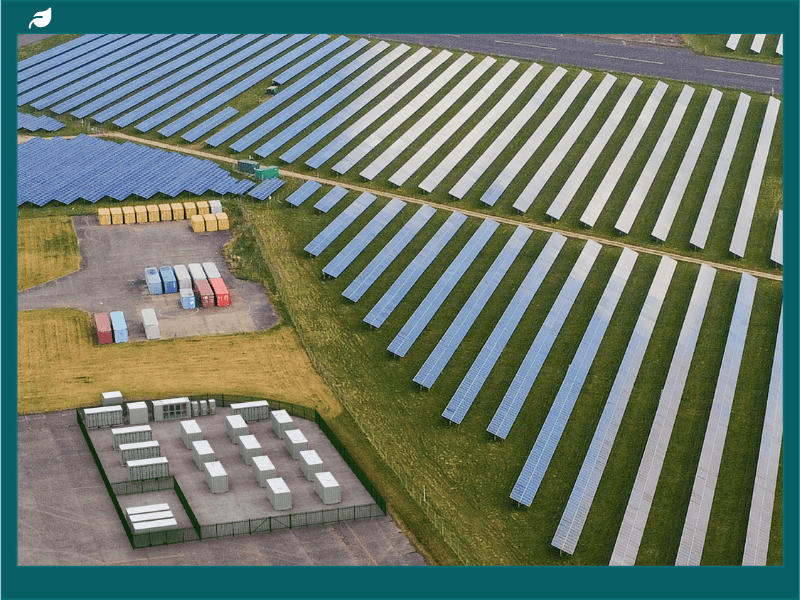
Connected Energy, a pioneer in second-life EV battery storage, has announced the development of the UK’s most advanced second-life battery testing and integration facility. The site, located at Scottow Enterprise Park in Norfolk, will form part of the company’s first wholly owned and operated grid-scale energy storage asset, marking a strategic evolution in its business model.
The £2 million project, supported by the Advanced Propulsion Centre UK (APC), is expected to be operational by mid-2026 and will play a critical role in proving how batteries from electric buses and trucks can be repurposed to support the UK’s energy system.
From system provider to asset owner
Founded in 2010, Connected Energy has spent more than a decade developing and deploying second-life battery energy storage systems across the UK and Europe. The company has worked with major industrial partners including Volvo, Umicore and public sector organisations, demonstrating that repurposed EV batteries can operate reliably in commercial settings.
The Scottow development represents a significant shift. For the first time, Connected Energy will own and operate a grid-scale storage site, allowing it to capture real-world operational data while directly participating in energy markets.
“This development marks the next step in Connected Energy’s growth,” said CEO Matthew Lumsden. “Having successfully shown how second-life BESS can work on a commercial scale, we are now moving to owning and operating grid-scale storage sites, with our first site also functioning as an advanced test facility.”
A flagship testing and integration hub
At the heart of the project is a dedicated testing facility designed to integrate batteries from multiple EV manufacturers — particularly electric buses and heavy-duty vehicles. Unlike passenger EV batteries, these packs are often larger, more modular and retired with significant remaining capacity, making them well-suited to stationary storage applications.
The Scottow facility will allow Connected Energy to evaluate battery performance, degradation patterns and integration challenges across different OEMs and chemistries, creating a robust evidence base for scaling second-life deployments.
Crucially, the site will not be a laboratory-only environment. Alongside the testing hub, Connected Energy will deploy a 5MWh grid-connected battery energy storage system. By trading energy and providing grid services, the system will generate real revenue while delivering hard data on the commercial value of second-life batteries.
“Insights from this multi-battery 5MWh project will shape future, larger deployments,” Lumsden added. “Our goal is to optimise what can be achieved with second-life batteries and support a scalable commercial model as volumes increase.”
Extending battery life, improving EV economics
As global EV adoption accelerates, battery sustainability is becoming a critical issue. While recycling remains essential, repurposing batteries before recycling can significantly extend their useful life, reduce lifecycle emissions and improve the overall economics of electric vehicles.
Second-life applications typically use batteries at 70–80% of their original capacity — levels no longer ideal for vehicle performance but well-suited to stationary storage. These systems can support renewable energy integration, provide peak-shaving for industrial sites, and offer grid services such as frequency response.
By creating an additional revenue stream for batteries after vehicle use, second-life storage can reduce total cost of ownership for EV fleets and manufacturers, while helping energy systems cope with rising electricity demand.
In this context, the Scottow facility addresses a growing industry need: standardised, large-scale testing and integration of mixed battery types in real grid conditions.
Supporting the UK’s net-zero and energy resilience goals
The UK’s electricity system is undergoing rapid transformation, driven by the expansion of renewables, electrification of transport and heating, and increasing pressure on grid infrastructure. Energy storage is widely recognised as a key enabler of this transition.
Second-life BESS offers a particularly attractive proposition. Compared with new batteries, repurposed systems have a lower embedded carbon footprint and can be deployed at reduced capital cost, supporting both decarbonisation and affordability objectives.
The Scottow site benefits from planning approval granted by North Norfolk District Council and is located close to Connected Energy’s technical centre, allowing close integration between R&D, testing and operations.
The APC’s support reflects growing policy interest in battery reuse and circular economy models, particularly for heavy-duty EV batteries, which are expected to enter the second-life market in increasing volumes over the coming decade.
Laying the foundations for scale
While second-life battery storage has moved beyond pilot phase, the sector still faces challenges around standardisation, warranties, performance predictability and investor confidence. Connected Energy’s approach — combining multi-OEM testing with live grid operation — is designed to tackle these barriers head-on.
By gathering extensive operational data, the company aims to demonstrate bankable performance and create repeatable deployment models for larger sites. This evidence will be increasingly important as fleets of electric buses and trucks begin to retire their first-generation batteries.
“Our focus is on building confidence across the value chain,” said Lumsden. “As more second-life batteries become available, the industry needs proven, scalable solutions that work commercially, technically and environmentally.”
A circular future for EV batteries
The Scottow project signals a broader shift in how EV batteries are viewed — not as single-use components, but as long-term energy assets with multiple productive lives. For Connected Energy, the facility is both a commercial investment and a statement of intent.
As energy systems seek flexibility, resilience and lower carbon intensity, second-life storage could become a cornerstone of the transition. With its flagship testing and grid-scale site, Connected Energy is positioning itself at the forefront of that emerging market — and helping to turn circular economy principles into operational reality.