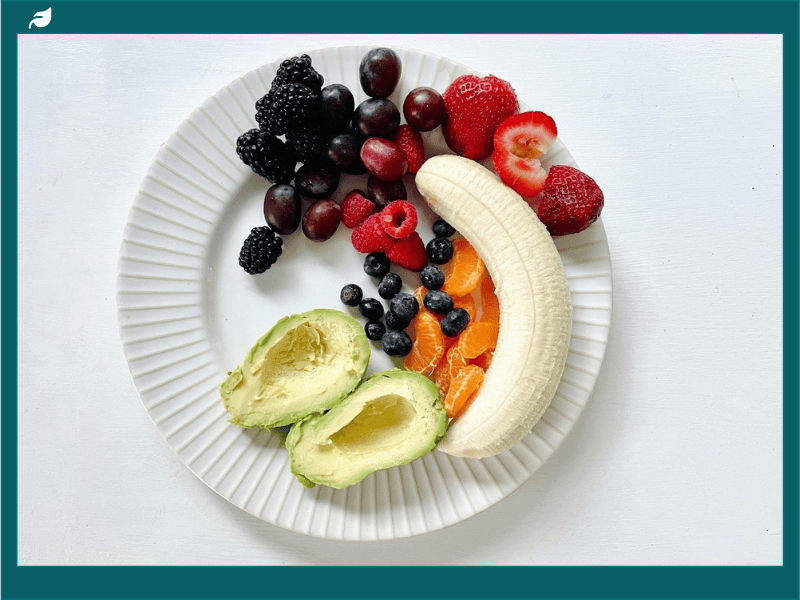
Photo by Debby Hudson on Unsplash
Pregnancy is a time of profound physical change, increased nutritional needs, and heightened concern about doing “everything right.” Advice about what to eat during pregnancy is widespread, but not all of it is accurate, safe, or supported by research.
From social media trends to well-meaning recommendations from friends and family, expectant parents are often exposed to conflicting messages. This is why evidence-based nutrition matters, and why many people choose to work with a dietitian for pregnancy to navigate prenatal nutrition with confidence.
Evidence-based guidance focuses on what has been shown to support both maternal health and fetal development, rather than relying on myths, fear-based rules, or outdated advice.
Why nutrition needs change during pregnancy
Pregnancy places additional demands on the body. Nutrients are required not only to support the pregnant person’s health but also to fuel fetal growth, placental development, and changes in blood volume and metabolism. Energy needs increase gradually, but nutrient needs often rise more significantly.
Key nutrients such as protein, iron, folate, iodine, calcium, choline, and omega-3 fatty acids become especially important. Meeting these needs consistently helps support healthy development and reduces the risk of complications such as anemia, low birth weight, or nutrient deficiencies.
The risk of misinformation in prenatal nutrition
One of the biggest challenges during pregnancy is sorting credible information from misinformation. Online sources may promote restrictive diets, unnecessary food eliminations, or supplements that are not appropriate during pregnancy.
Common misconceptions include the idea that pregnancy requires extreme dietary rules, that weight gain should be minimized at all costs, or that certain foods can guarantee specific outcomes. These claims can create anxiety and may lead to inadequate intake or unnecessary restriction.
Evidence-based nutrition emphasizes balance, adequacy, and safety rather than perfection.
Food safety and risk management
Pregnancy does require additional attention to food safety, but this is often misunderstood. Evidence-based guidance focuses on reducing the risk of foodborne illness by avoiding specific high-risk foods and following safe handling practices.
Rather than eliminating broad categories of foods, professional guidance helps clarify which foods are safe, which should be avoided, and how to prepare meals safely. This practical approach allows for variety and enjoyment while prioritizing health.
Supporting healthy weight gain without stigma
Weight gain during pregnancy is both normal and necessary, yet it is often surrounded by fear or judgment. Evidence-based nutrition recognizes that appropriate weight gain supports fetal growth and maternal health, while insufficient or excessive gain may carry risks.
Importantly, recommended weight gain ranges vary depending on pre-pregnancy factors and individual health considerations. Personalized guidance helps shift the focus away from numbers alone and toward nourishment, energy levels, and overall wellbeing.
Managing common pregnancy symptoms through nutrition
Many people experience symptoms such as nausea, vomiting, heartburn, constipation, or fatigue during pregnancy. Nutrition strategies can help manage these symptoms, but they must be flexible and responsive to changing needs.
For example, small, frequent meals may help with nausea, while specific food choices can support digestion or hydration. Evidence-based approaches prioritize comfort and nourishment rather than forcing rigid eating patterns during periods of reduced appetite or food aversions.
The role of supplements and prenatal vitamins
Prenatal vitamins are commonly recommended, but they are not a substitute for a balanced diet. Evidence-based guidance helps determine which supplements are appropriate, which nutrients can be met through food, and how to avoid excessive intake.
Not all supplements marketed for pregnancy are necessary or safe. Professional advice ensures supplementation is used thoughtfully, based on individual needs and current research.
Individualization over one-size-fits-all advice
Every pregnancy is different. Nutritional needs are influenced by factors such as activity level, medical history, dietary preferences, cultural practices, and pregnancy symptoms. Generic advice often fails to account for this complexity.
Working with a dietitian for pregnancy allows nutrition guidance to be tailored, adaptable, and responsive over time. This personalization supports both physical health and peace of mind.
Emotional wellbeing and the relationship with food
Pregnancy can intensify emotions around food, body image, and health decisions. Evidence-based nutrition supports a compassionate approach that reduces guilt and stress around eating.
Rather than focusing on rigid rules, this approach encourages trust in the body, flexibility, and realistic expectations. A positive relationship with food during pregnancy can also influence long-term family eating patterns.
Evidence-based perspective on prenatal nutrition
Leading health organizations emphasize that prenatal nutrition should be grounded in scientific evidence rather than trends. The Academy of Nutrition and Dietetics highlights that appropriate nutrition during pregnancy supports maternal health, fetal development, and long-term outcomes for both parent and child. This reinforces the importance of qualified, evidence-informed guidance during pregnancy.