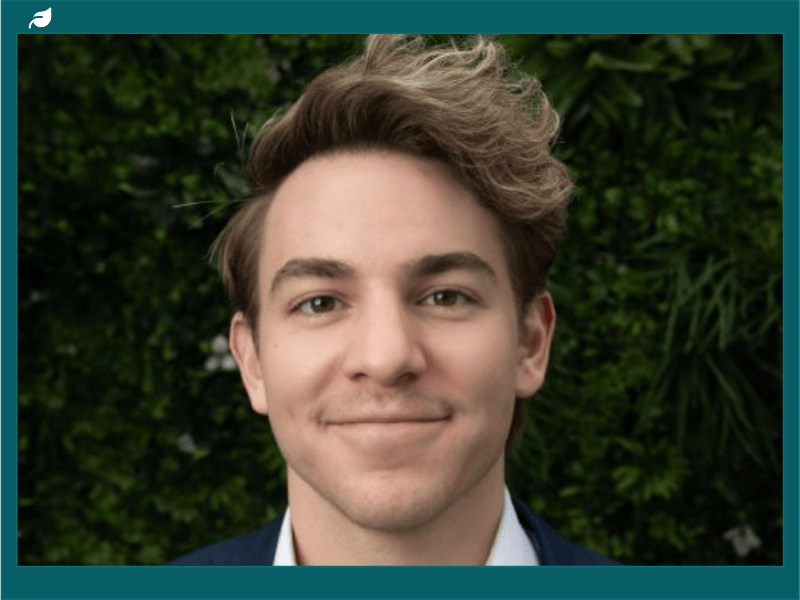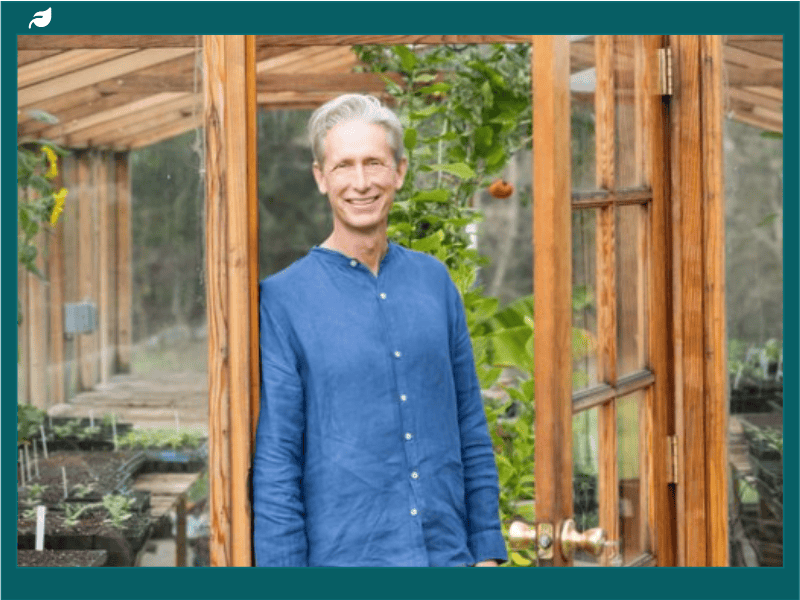
Edward Newell shares how regenerative land stewardship, hospitality, and long-term thinking are redefining luxury at NewTree Ranch.
NewTree Ranch is a regenerative hospitality and land stewardship project located on 120 acres in Healdsburg, California. Operating as both a working ranch and a place for guests to stay, the property integrates agriculture, rewilding, and carefully designed accommodations to create a deeply place-based experience.
In this interview, founder Edward Newell discusses redefining luxury through regeneration, the environmental impact of long-term land care, the realities of self-sustaining operations, and how immersive guest participation can foster a deeper understanding of sustainability and regeneration.
Please introduce yourself to our readers and tell us a bit about NewTree Ranch and your role in shaping its regenerative vision.
I am Edward Newell, and my background has been in hospitality. Over time, I realized I wanted to create something more meaningful for the second half of my life, something that redefines luxury to include regeneration, stewardship, and a deep connection to place. NewTree Ranch is the result of that vision.
Located on 120 acres in the wine country of Healdsburg, NewTree Ranch is both a working regenerative ranch and a place for people to stay, slow down, and reconnect. Guests live in thoughtfully designed luxury villas on the land and are invited to participate in what is happening around them, whether that is engaging with the farm, learning about our rewilding and land care practices, or simply being present in nature.
My role is both creator and caretaker. I guide the overall vision of the ranch while taking responsibility for the health of the land itself. Every experience we offer, from the accommodations to the food to the daily rhythms of ranch life, is designed to reflect respect for the environment, a sense of belonging, and a more expansive definition of what true luxury can be.
NewTree Ranch is both a working regenerative ranch and a place for people to stay, slow down, and reconnect.
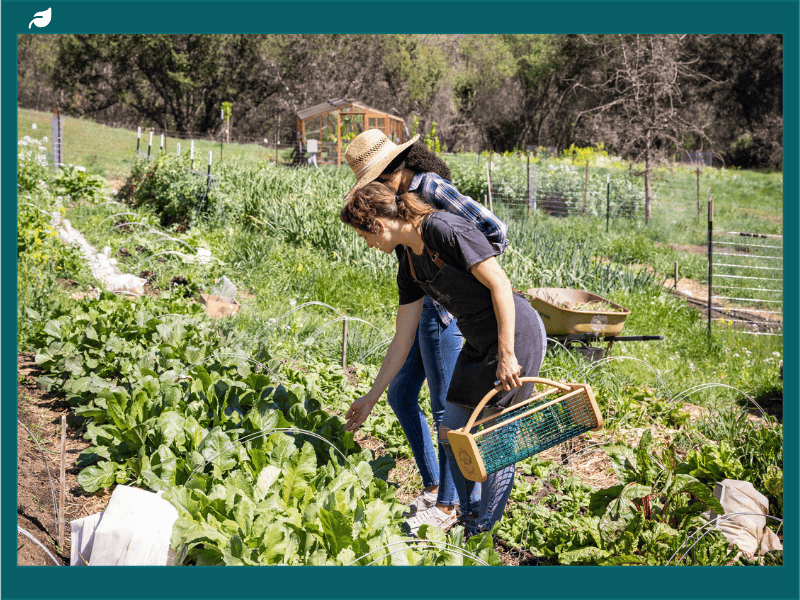
NewTree Ranch integrates over 30 regenerative practices. Which have delivered the most immediate environmental benefits, and which require the longest-term commitment?
I see all of our regenerative practices as interconnected, but they operate on very different timelines. Some deliver immediate, measurable benefits, while others require patience and long-term commitment.
The most immediate gains came from infrastructure decisions like installing solar panels and battery storage. These steps immediately reduced our dependence on the grid, lowered operating costs, and increased the ranch’s energy resilience. Water efficiency and capture systems also produced fast, tangible improvements in water security.
Soil health is one of the most important and meaningful long-term commitments we make at NewTree Ranch. Building living soil takes years of consistent care, observation, and restraint. As the soil becomes healthier, everything else follows. The plants grow stronger and more nutrient dense, the flavors of the food become deeper and more complex, and guests can literally taste the difference.
Healthier soil also attracts life. Bees, insects, birds, and microorganisms return in greater numbers as the ecosystem strengthens. It is one of the most visible and rewarding transformations on the ranch, even though it unfolds gradually over time.
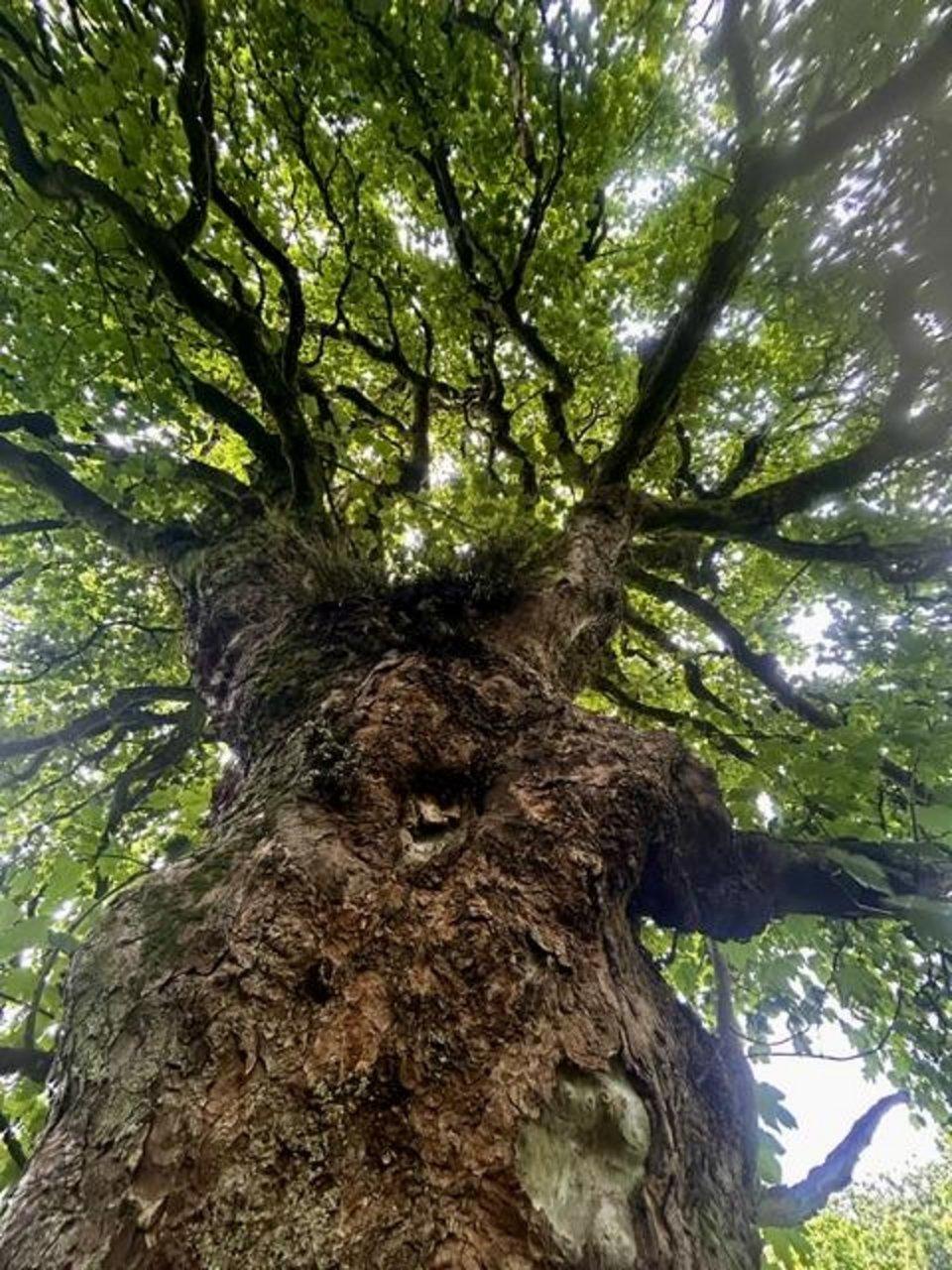
The longest horizon work is planting trees. Our redwood planting initiatives will likely not make a dramatic difference within my lifetime, but they are a gift to the next generation. Those trees will shape the land, support biodiversity, and define the character of this place for decades to come.
Building living soil takes years of consistent care, observation, and restraint.
Operating as a largely self-sustaining property is ambitious. What operational challenges have you faced in achieving energy, water, and waste independence?
Becoming self-sustaining has been a journey. Many people naturally focus on the financial side and whether the numbers work.
But sometimes the right choice for the land costs more upfront. I have faced pushback, but I believe the long-term benefits, both environmentally and experientially, far outweigh the initial expense.
Balancing efficiency, quality, and sustainability is challenging, but it is worth it when you see the land thriving and guests connecting with it.
Sometimes the right choice for the land costs more upfront.
How does inviting guests to participate in regenerative practices change their understanding of sustainability compared with more passive hospitality experiences?
It is transformative. Guests see, taste, and touch the abundance the land provides. Many say that tasting a carrot at NewTree Ranch is like tasting a carrot for the first time.
The soil is so healthy and alive that it transforms the flavor completely. Experiencing this firsthand creates a deeper understanding of what regeneration really means.
Guests also ask questions they would never ask at a typical resort, like why we have a bee-wilding program that does not produce honey, why we plant trees, or why we lay logs sideways on the mountain. These questions spark curiosity and a deeper connection to the land.
Guests see, taste, and touch the abundance the land provides.
Q: Regenerative tourism is gaining attention globally. What do you believe differentiates meaningful regeneration from sustainability claims that lack depth?
All efforts toward sustainability are important. Even small gestures in a hotel chain can plant a seed for bigger change.
But true regenerative properties live and breathe their practices. You can feel it, see it, and even taste it.
They are aligned with nature, the ecosystem is thriving, and people notice immediately when it is authentic and they feel good being in that space.
True regenerative properties live and breathe their practices.
What exciting plans and goals do you have for the next few years?
NewTree Ranch is something I am building to last for many generations. The trees we plant today are meant to shade people we will never meet, and that long view shapes every decision we make. At the same time, the next few years feel especially exciting.
We are focused on protecting more land and expanding the ecosystem so it can continue to heal and support itself. That includes welcoming more animals to help care for the land in natural ways, deepening our regenerative practices, and allowing the ranch to become even more alive and resilient.
We are also excited about what the land is beginning to offer us. As the soil and plants grow healthier, we are creating more products directly from the ranch, from flowers and vegetables to wellness focused offerings that feel more like medicine than commodities. These are beautiful, meaningful things we can share with others, each one rooted in the health of the land itself.
Above all, we let nature lead. Rather than forcing growth, we listen closely to what the land wants to give, and we build around that. That approach continues to shape not just what NewTree Ranch becomes, but how it feels to be here.
The trees we plant today are meant to shade people we will never meet.