The automotive industry is undergoing a transformative shift towards more sustainable options, with hybrid and electric cars leading the charge. As consumers become increasingly eco-conscious, understanding the distinctions between these two types of vehicles is crucial for making an informed purchase.
Hybrid cars, combining a traditional internal combustion engine with an electric motor, offer a bridge between conventional and fully electric vehicles, while electric cars promise zero emissions and lower running costs. Navigating the pros and cons of each will help you decide which vehicle aligns best with your environmental goals and lifestyle needs.
Understanding Hybrid Cars
Hybrid cars are an important step between traditional petrol vehicles and fully electric ones. They are known for reducing emissions and improving fuel efficiency by using both a petrol engine and an electric motor.
This combination lets hybrids take advantage of both technologies. As hybrid technology improves, more options become available to suit different drivers.
Next, we’ll look at what makes a hybrid car and the main types, like full hybrids and plug-in hybrids.
What Defines a Hybrid Car?
A hybrid car, at its core, seamlessly integrates a petrol combustion engine with an electric motor to deliver improved fuel efficiency and reduced emissions. This dual system is pivotal in maximizing the energy efficiency of hybrid vehicles.
The petrol engine, often optimized for fuel efficiency, works in tandem with the battery-powered electric motor to allow the vehicle to switch between energy sources or utilize them simultaneously for enhanced performance. Hybrids can capture and reuse energy, typically lost during braking, further optimizing energy use.
Such features make hybrid vehicles considerably appealing to eco-conscious consumers looking to reduce their carbon footprint without fully transitioning to electric vehicles.
As hybrid technology improves, these cars combine the familiar feel of traditional driving with better eco-friendly performance. Mild hybrids use a smaller electric motor to help the petrol engine, while full hybrids can run on electric power alone for short trips, especially at low speeds.
This is useful in city traffic and helps save fuel. Car makers are also working to improve batteries and motors, making hybrids a reliable choice for sustainable driving.
To provide readers with a deeper understanding of hybrid cars, here’s a list of their key benefits and considerations:
- Significant reduction in fuel consumption due to efficient energy management.
- Lower emissions, contributing positively to environmental preservation.
- Smooth and quieter driving experience with the electric motor.
- Cost savings on fuel, especially noticeable in urban settings.
- Diverse options available, from mild to full hybrids, catering to different needs.
- Potential tax incentives and rebates for hybrid car owners.
- Improved technological advancements enhance performance and reliability over time.
These points highlight why hybrid vehicles have become a popular choice for environmentally conscious drivers.
Popular Types: Full Hybrids and Plug-in Hybrids
The world of hybrid cars is diverse, primarily categorized into full hybrids and plug-in hybrids (PHEVs), each offering unique benefits and applications. Full hybrids, often referred to simply as hybrids, embody the classic hybrid vehicle design where the petrol engine and electric motor work in unison to optimize fuel economy and reduce emissions.
These vehicles can operate on electric power alone, albeit for a limited range, making them perfect for short city commutes where emissions reduction is most beneficial. This versatility makes full hybrids attractive for drivers seeking improved efficiency without the range concerns of an electric vehicle.
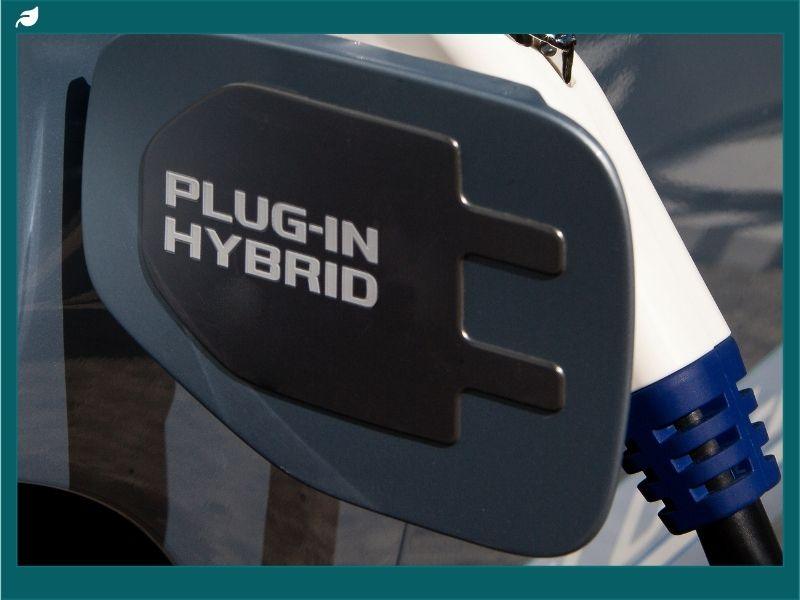
Plug-in hybrids are a newer type of hybrid with bigger batteries that you can recharge by plugging in. They can go about 20 to 40 miles on electric power before using the petrol engine.
This means you can use them as an electric car for short trips and as a regular car for longer drives. Plug-in hybrids help ease worries about running out of battery and are a good step for people who want to be more eco-friendly but aren’t ready for a fully electric car.
Knowing the differences between full hybrids and plug-in hybrids can help you choose what fits your driving and environmental needs.
Exploring Electric Vehicles
Electric vehicles are quickly becoming an important part of sustainable transport. They run only on battery power, so they don’t produce emissions and offer a quiet, smooth ride. As more people think about switching to electric cars, it’s helpful to know about their main features, including battery technology, charging options, and their impact on the environment.
| Key Features | Battery Technology Advancements | Charging Infrastructure | Environmental Impact | Consumer Demand |
| Zero emissions | Higher energy density | More charging stations | Reduction in air pollution | Rising interest in sustainability |
| Quiet operation | Faster charging times | Standardized connectors | Lower greenhouse gas emissions | Increased vehicle options |
| Lower operational costs | Longer battery life | Home charging availability | Reduced dependency on fossil fuels | Government incentives |
| Advanced technology integration | Cost reduction | Investment in smart grid technology | Contribution to renewable energy integration | Improving performance and range |
This table visually encapsulates the essential attributes of electric vehicles, highlighting how advancements in battery technology and charging infrastructure, along with growing environmental awareness and consumer demand, are driving the evolution of this sustainable transport option.
The Key Features of Electric Vehicles
Electric cars are renowned for their innovative technology and environmental benefits, setting them apart in the automotive market. One of the primary features of electric vehicles is the use of battery electric engines, which enable them to operate without harmful emissions.
This is particularly beneficial for urban areas looking to reduce pollution levels effectively. The engine’s simplicity in electric cars means fewer moving parts, which reduces maintenance costs and improves longevity compared to traditional combustion engines.
Additionally, electric cars boast instantaneous torque, providing remarkable acceleration and a smoother driving experience.
Battery technology is at the heart of electric vehicle innovation, and recent advancements have significantly increased both capacity and efficiency. The latest batteries offer extended range, allowing EVs to travel hundreds of miles on a single charge, reducing range anxiety for drivers.
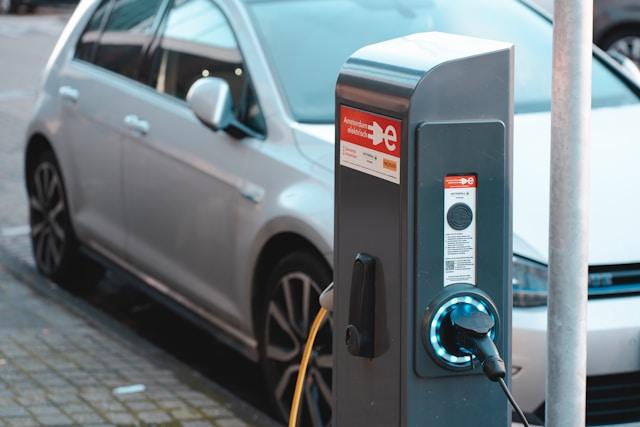
Charging infrastructure is also critical, with an increasing number of fast-charging stations appearing globally. These stations can replenish an EV battery in less than an hour, facilitating longer journeys and expanding the practical use of electric cars beyond urban areas.
More people want eco-friendly cars because of climate change and the need to lower emissions. Government incentives, like tax breaks, make electric cars more affordable. New features, such as regenerative braking, help save energy by putting it back into the battery. These improvements show how electric cars are helping move us toward a more sustainable future.

The Importance of Electric Range
Electric range is a pivotal factor when considering the practicality and appeal of electric cars for prospective buyers. Defined as the distance a vehicle can travel on a single charge, range anxiety has traditionally been a significant barrier to the widespread adoption of electric vehicles.
However, recent developments in battery technology have dramatically improved the situation. Electric range in modern electric cars frequently exceeds 300 miles, making them viable alternatives for more extended journeys and not just urban commutes.
The concept of range is intrinsically linked to battery capacity, a major determinant in assessing an EV’s overall performance. Enhanced battery capacity translates to extended ranges, reducing the frequency of charging and minimizing interruptions during travel.
Additionally, accurate range estimation systems, integrated into most electric cars, provide real-time information on remaining battery life and projected range. This intelligence reassures drivers, allowing them to plan recharging stops efficiently and avoid any unexpected depletion.
Building more charging stations helps reduce worries about running out of battery in electric cars. With more places to charge, it’s easier for drivers to travel longer distances, much like using gas stations. Fast-charging technology also means you don’t have to wait as long to recharge. As these improvements continue, electric cars will become an even better choice for people who care about sustainability and new technology.
Hybrid Plug-in vs Plug-in Hybrid: What’s the Difference?
As cars change, it’s important for buyers to know the difference between hybrid plug-ins and plug-in hybrids. Both use a mix of electric and petrol power, but they work in different ways. Learning about these differences can help you pick the car that best fits your goals, driving habits, and daily needs, whether you’re commuting in the city or taking longer trips.
A Closer Look at Hybrid Plug-in Technology
Hybrid plug-in technology represents a sophisticated evolution in the realm of hybrid vehicles, merging traditional and modern automotive advancements. Unlike conventional hybrids, hybrid plug-ins incorporate larger batteries that can be charged through an external power source, which helps in reducing petrol consumption and emissions.
These vehicles typically operate on electric power for the initial phase of a journey, after which the petrol engine seamlessly takes over or works in conjunction with the battery when more power is required. This transition not only offers flexibility but also enhances efficiency, particularly in urban settings where stop-and-go traffic is prevalent.
The battery in hybrid plug-ins is incrementally larger than in standard hybrids, yet smaller than those in fully electric vehicles. This design allows them to travel greater distances on electric power, usually around 20 to 40 miles, which is ideal for daily commutes.
Charging hybrid plug-ins is straightforward, much like fully electric cars, through home outlets or public charging stations, presenting a convenient solution for those wary of complete electric vehicle adoption. Comparatively, hybrid plug-ins afford reduced emissions and lower fuel costs without surrendering the backup assurance of a petrol engine, offering drivers the best of both worlds.
Car makers keep improving hybrid plug-ins by making batteries last longer and work better. These cars are not just a step toward fully electric vehicles—they are a good choice for people who want to save fuel and lower their impact on the environment. Hybrid plug-ins are helping make driving more sustainable by balancing performance with eco-friendly features.
Comparing Plug-in Hybrid and Hybrid Cars
The choice between plug-in hybrids and traditional hybrid cars largely hinges on consumer preferences for electric mileage, charging convenience, and cost considerations. Traditional hybrids, often simply referred to as hybrids, do not require external charging and rely primarily on energy generated during operation, such as braking.
In contrast, plug-in hybrids (PHEVs), with their significant electric-only range capability, offer a compelling advantage in reducing reliance on petrol, especially for shorter trips that can be completed under electric power alone.
Plug-in hybrids often have higher upfront costs due to their larger batteries and more complex technology. However, they qualify for various government incentives designed to encourage the adoption of low-emission vehicles.
These financial aids can significantly offset the initial expenditure, making PHEVs an attractive investment for environmentally conscious consumers. Additionally, because plug-in hybrids can travel extended distances on electric power alone, they promise long-term savings on fuel costs, appealing to budget-oriented buyers.
Plug-in hybrids let you drive on electric power for many miles but still have a petrol engine for longer trips, giving you flexibility. Traditional hybrids don’t need to be charged and are easier for people who can’t easily access charging stations. Some drivers like plug-in hybrids for their electric features, while others prefer the simplicity of traditional hybrids. Both types show how the car industry is moving toward more sustainable options for different needs.
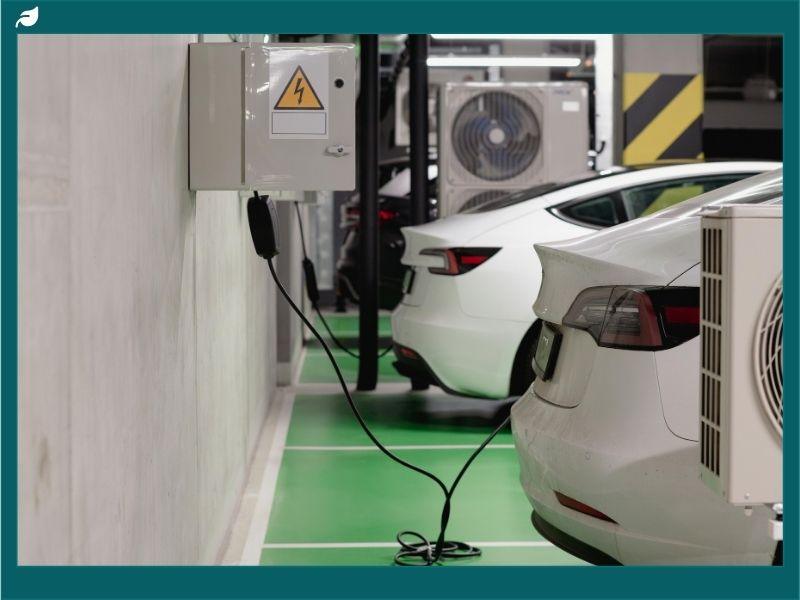
Making the Choice: Hybrid vs Electric
Choosing between a hybrid and an electric car means thinking about several factors, since each has its own benefits. Many people look at things like price, convenience, and how the car affects the environment. Hybrids give you both petrol and electric power, while electric cars have no emissions and cost less to run. Knowing these differences can help you pick the car that matches your values and needs.
Factors to Consider: Costs, Lifestyle, and Environmental Impact
Picking between a hybrid and an electric car is about more than just the price or flashy features. Cost is important—hybrids usually cost less to buy, but electric cars can save you more money over time because they’re cheaper to run and maintain. Electric cars also benefit from more government incentives, which help lower the upfront cost.
For many people, hybrids are an easier step away from petrol cars, especially if they’re not ready to go fully electric. Hybrids can handle different driving situations, using electric power for short trips and petrol for longer ones. If you have easy access to charging, electric cars are very convenient and help you live a greener lifestyle by producing no emissions.
The impact on the environment is a big part of choosing a car. Electric cars have no tailpipe emissions, which helps reduce city pollution and supports efforts to fight climate change. Hybrids also cut emissions by using electric power when possible. Still, electric cars go further in reducing emissions, making them a strong choice for people focused on sustainability. Both types help the environment, but electric cars make the biggest difference.
When choosing between hybrid and electric cars, consider your driving habits, environmental goals, and budget. Hybrid vehicles offer a transitional option with familiar fueling and range flexibility while benefiting from reduced emissions.
In contrast, electric cars provide a cleaner, zero-emission solution, suitable for those ready to embrace complete sustainability and modern infrastructure. Evaluate the available incentives, charging requirements, and potential savings on fuel and maintenance to make a well-informed decision.
As technology advances, both options promise unique advantages, catering to diverse preferences and driving needs in an evolving automotive landscape.