Advocating for renewable energy is more crucial than ever, as the world grapples with climate change and the need for sustainable solutions. Ekoenergy, an internationally recognized ecolabel for renewable electricity, champions this cause, providing a platform for effective sustainable advocacy. By harnessing Ekoenergy’s framework, individuals and organizations can promote cleaner energy alternatives and influence policy change.
Understanding how to leverage Ekoenergy in advocacy efforts not only drives the transition to renewable energy but also empowers communities to actively participate in shaping a sustainable future. This approach highlights renewable energy’s role in fostering environmental stewardship and economic resilience.

Understanding Ekoenergy Certification
Ekoenergy certification plays a critical role in advancing the use of renewable energy worldwide. This label ensures that energy sources meet both environmental and sustainability criteria, promoting a greener future. By endorsing only rigorously vetted energy sources, Ekoenergy supports transparent and responsible energy consumption. This certification not only facilitates eco-conscious decisions for companies and individuals but also promotes a standardized approach to renewable energy. The following sections will delve into how Ekoenergy promotes renewable energy and the broader impact of its certification in sustainable advocacy.
The Role of Ekoenergy in Promoting Renewable Energy
Ekoenergy serves as a pivotal force in the renewable energy sector by setting stringent environmental standards for energy products. Through its certification process, Ekoenergy identifies and labels energy sources that comply with high environmental and social standards, enhancing consumer trust. The organization empowers consumers to make informed choices, encouraging the switch to sustainable energy options.
This advocacy not only fosters market growth for renewables but also influences energy policies by demonstrating demand. By aligning with international climate goals, Ekoenergy aids in reducing carbon footprints and facilitates the global transition towards a cleaner, more sustainable energy landscape.
The Path to Energy Transition
Transitioning from fossil fuels to renewable energy isn’t just a technical shift, it’s a commitment to a sustainable future. Exploring innovative methods can help facilitate this energy transition, paving the way for significant environmental benefits. As we move towards a greener economy, understanding the diverse pathways and strategies becomes essential. Key components of this transition include policy advocacy, integration of sustainable technologies, and public engagement in renewable initiatives. The following section delves into practical strategies necessary for achieving a smooth transition from fossil fuels to renewables.
Exploring Methods for Transitioning from Fossil Fuels
Transitioning from fossil fuels involves a multifaceted approach incorporating technology, policy, and community engagement. Adoption of innovative technologies like solar and wind plays a crucial role, offering cleaner alternatives to coal and gas. Governments can incentivize these shifts through policies that support research and development in renewables. Financial mechanisms, such as subsidies and tax breaks, can accelerate this transition by making renewable options more economically attractive. Public awareness and involvement are crucial, as grassroots movements can push for change at policy levels. These methods collectively drive the shift, reducing reliance on fossil fuels while fostering sustainable practices.
Maximizing the Potential of Offshore Wind
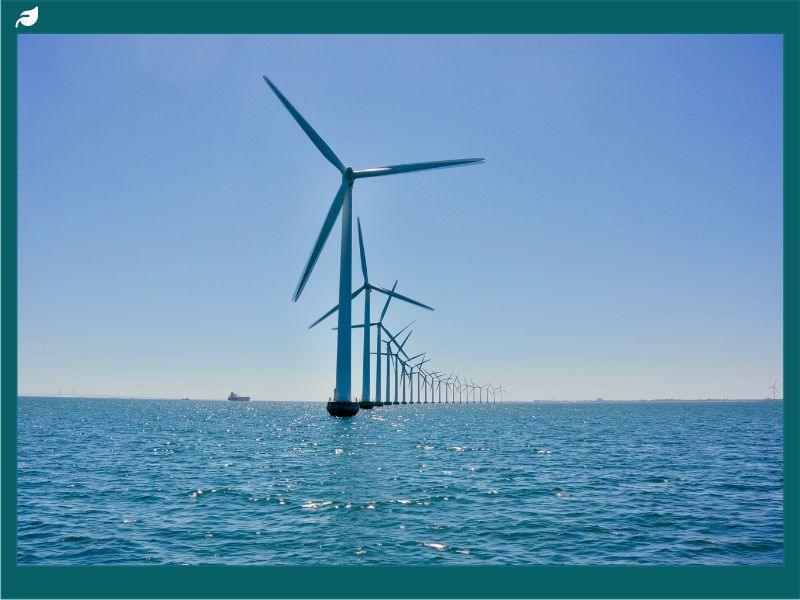
Offshore wind energy stands as a formidable pillar in the renewable energy sector, offering vast potential for sustainable solutions. With technological advancements, offshore wind farms provide substantial contributions to energy needs without encroaching on valuable land resources. This section explores how offshore wind bolsters sustainable energy solutions, helping bridge gaps in energy production and fostering environmental benefits. By integrating cutting-edge technologies, offshore wind can significantly aid in the transition to a cleaner energy future, aligning with global climate goals and sustainable advocacy efforts.
How Offshore Wind Contributes to Sustainable Energy Solutions
Offshore wind contributions to sustainable energy solutions are immense, as this resource capitalizes on strong oceanic winds to generate power efficiently. These setups reduce greenhouse gas emissions, primarily by replacing fossil fuel-based electricity with clean energy. Offshore wind’s location, away from populated areas, minimizes noise and visual impacts, making it a favorable choice for densely populated nations.
Additionally, offshore wind farms hold potential for larger turbines, increasing energy output significantly. By supplying consistent and renewable electricity, offshore wind supports energy stability, crucial for transitioning towards global sustainability goals.
Advocacy for Sustainable Energy
Advocating for sustainable energy is crucial for accelerating the global transition to cleaner energy sources. Effective advocacy strategies can help bridge the gap between awareness and actionable change, offering pathways to amplify the growth of renewables. By leveraging policy influence and engaging communities, advocacy initiatives can transform energy landscapes. Through education and collaboration, the message of sustainability reverberates louder, gaining support from diverse sectors. This section will explore how crafting strategic approaches in advocacy can empower stakeholders and promote the widespread adoption of renewable energy.
Building Effective Advocacy Strategies for Renewable Energy
Creating impactful advocacy strategies begins with aligning efforts towards common renewable energy goals. Effective strategies leverage the power of information dissemination to educate stakeholders about the benefits and potential of renewables. By crafting compelling narratives that link economic benefits with environmental stewardship, advocates can engage both policymakers and the public. Collaboration with industry leaders and sustainability experts can amplify voices, forming coalitions that endorse policy advancements. Furthermore, integrating technology, such as digital platforms, allows for wider outreach and mobilization, ensuring that renewable energy advocacy becomes an inclusive, global movement.
The Impact of Renewable Practices on Climate
Renewable energy practices have become pivotal in the fight against climate change, offering sustainable solutions that mitigate environmental impacts. As we face escalating climate challenges, innovative approaches like Ekoenergy certification and offshore wind energy are transforming energy landscapes. These practices not only reduce carbon emissions but also support global environmental goals. By examining their influence, we gain insight into how renewable energy advancements contribute to a greener planet. This section delves into the significant role renewable practices play in climate change mitigation and sustainability efforts.
Assessing Climate Change Mitigation through Renewable Practices
Effective climate change mitigation is closely tied to the adoption of renewable energy practices. By replacing fossil fuels with sustainable alternatives, we significantly cut down greenhouse gas emissions. Renewable sources, such as solar, wind, and hydropower, offer clean and inexhaustible energy, reducing our carbon footprint. These practices not only curb pollution but also improve air quality and overall environmental health. Governments and businesses adopting renewable strategies are leading the way in creating a sustainable future. Evaluating these practices showcases their role as integral components in the global strategy against climate change, aligning with international green commitments.
Engaging Communities in Energy Advocacy
Harnessing the power of community action can transform the landscape of renewable energy advocacy. When communities come together, they can drive significant change by promoting sustainable energy solutions and challenging traditional practices. Collective community efforts can amplify the impact of renewable initiatives, leading to more sustainable environments. Key elements of effective engagement include fostering public understanding, encouraging local participation, and leveraging communal resources. By creating a shared vision for sustainable energy, communities can contribute to meaningful advancements in renewable energy advocacy.
Encouraging Community Involvement in Renewable Initiatives
Communities hold tremendous power in advocating for renewable energy. Their active participation can take many forms, such as local clean energy projects, public forums, or educational events that raise awareness about renewable solutions. When community members actively engage, they become stakeholders in sustainable practices, ensuring these initiatives reflect local needs and values. Moreover, collaborations between community groups and renewable energy advocates can unlock potential funding sources and policy support. By cultivating a sense of shared responsibility, communities emphasize the importance of transitioning to cleaner energy and demonstrate that collective action can have a significant impact on sustainability goals.

Empowering Youth in the Energy Sector
The future of renewable energy heavily relies on empowering youth within the energy sector. As Ekoenergy continues to advance sustainable energy initiatives, a focal point is engaging young leaders to spearhead these transitions. Young people bring innovation and creativity, essential for tackling dynamic energy challenges. By investing in educational programs and leadership opportunities, the sector can harness the potential of these future leaders. Such empowerment not only supports the global shift towards renewable energy but ensures diverse perspectives are included, fostering inclusive growth in the energy landscape.
Fostering Youth Leadership in Sustainable Energy Transitions
Youth leadership in sustainable energy transitions is pivotal for driving impactful change. As the energy sector undergoes significant shifts, nurturing young talents equips them to confront the challenges of climate change and sustainability head-on. Programs focused on leadership and skill development in renewable energy technologies prepare young leaders to innovate and lead. Engaging youth in policy discussions and decision-making processes ensures fresh perspectives influence the sector. By fostering this leadership, sustainable practices are more readily adopted, creating communities that not only advocate for but also implement meaningful environmental solutions.
Embracing renewable energy and sustainable advocacy not only aligns with environmental responsibility but also paves the way for innovative growth opportunities worldwide. By supporting initiatives like Ekoenergy, individuals and communities contribute to a cleaner planet and foster economic resilience through sustainable practices. Engaging with policymakers, joining grassroots movements, and leveraging digital platforms can amplify your impact. Advocating for renewable energy is a powerful step toward a sustainable future, offering tangible benefits that improve quality of life while preserving the environment for generations to come. Together, these efforts can create a global shift towards a greener, more sustainable society.