Sustainable workplace design is the thoughtful combination of environmentally responsible practices and employee-centered planning in office and industrial settings. It creates healthier spaces where employees can work more comfortably and safely. When safety is integrated into building design, it minimizes risks of injury, improves long-term well-being, and supports stronger team performance.
Many modern workplaces now incorporate natural lighting, ergonomic furniture, and improved ventilation systems, all of which have been proven to reduce workplace hazards. This blog post will explain how sustainability, when applied to workspace design, leads to safer, more productive environments.

Why Workplace Design Matters in a Safety-Conscious Age
Workplace safety has evolved far beyond warning signs and training manuals. While those remain important, the spaces where employees work can either reduce or increase their risk of injury. A well-designed environment doesn’t just support productivity, it actively protects workers from harm.
According to the U.S. Bureau of Labor Statistics, private industry reported 2.6 million nonfatal workplace injuries and illnesses in 2023. The incidence rate (i.e., how often these cases occurred) was 2.4 cases per 100 full-time workers. Despite advancements in safety protocols, these numbers show how physical environments still contribute to a significant share of workplace hazards.
Smart design choices can directly reduce risks. For example, proper lighting in hallways and workstations helps prevent slips and trips. Anti-fatigue flooring and ergonomic furniture reduce strain and repetitive stress injuries. Open floor plans that avoid sharp corners or narrow aisles give employees more room to move safely and avoid collisions.
A study in ResearchGate highlights that developing a positive safety culture lowers the injury rate and boosts job satisfaction. The study also found that safety culture and safety performance are both predictors of financial success. Companies investing in safety tend to be more profitable. Moreover, a strong safety culture improves corporate reputation, which supports long-term competitive advantage.
Real-Life Example of Workplace Injury
In high-risk sectors like manufacturing and agriculture, design becomes even more critical. For example, an agricultural technician of Fayetteville was injured on the University of Arkansas campus when a backhoe pinned him during site work. Despite operating in a controlled environment, the incident occurred due to limited visibility and close equipment placement. This highlights how critical site layout and design are to preventing accidents.
When the layout increases exposure to moving machinery or restricts line of sight, workers are at higher risk. And when injuries do happen, especially in regulated settings, understanding legal rights becomes vital. If you’ve experienced a similar incident, consulting a personal injury lawyer in Fayetteville, Arkansas, can help you understand your rights.
Keith Law Group says legal consultation may be especially helpful when injuries happen despite following protocols or working in environments presumed to be safe. However, marked pathways and hazard-reducing layouts can help prevent such injuries that safety training alone cannot solve. Employers who prioritize sustainable and safe design support long-term worker health and morale.
Natural Lighting and Visual Safety
Workplace lighting is a critical component of safety, yet it is often overlooked. Inadequate lighting can lead to serious visual fatigue, increased human error, and a higher chance of accidents.
Visual discomfort affects decision-making and reaction time, especially in fast-paced or high-risk work environments. A study in ScienceDirect concludes that digital eye strain symptoms increased over time, especially during harder tasks. Productivity dropped, especially with more difficult tasks. These health effects also compromise safety by impairing workers’ ability to focus and respond quickly.
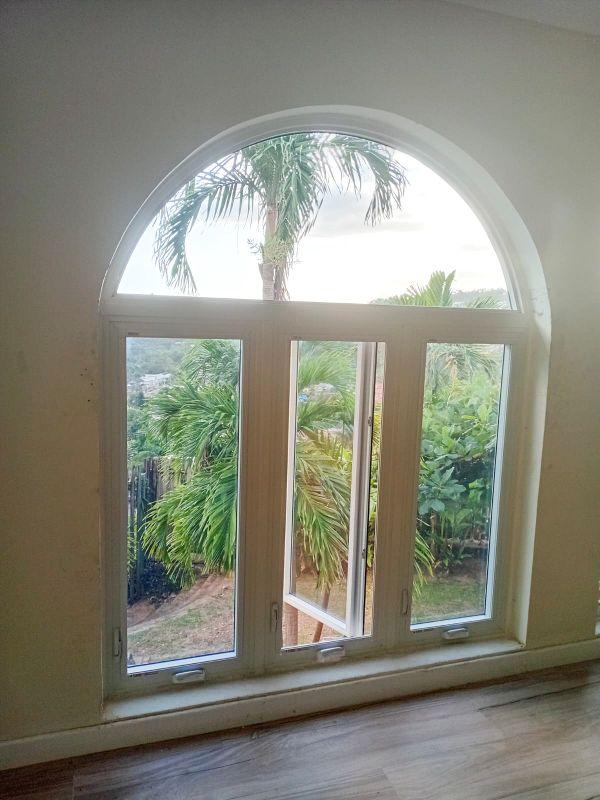
Natural light plays a major role in enhancing visual safety. Unlike artificial lighting, which can cause glare or flicker, natural daylight provides consistent, full-spectrum illumination that improves visual accuracy. Employees exposed to natural daylight throughout the workday are more likely to stay alert, focused, and responsive.
Strategies like skylights, light wells, and large windows help distribute natural light evenly across workspaces. Reflective surfaces and glass partitions can also help spread daylight deeper into interior areas without increasing glare. At the same time, organizations that rely on digital displays, control panels, or collaborative screens should assess how lighting interacts with audio-visual technology. Partnering with professional AV planers such as creationnetworks.net can help ensure that visual clarity, screen legibility, and overall workplace safety work together.
Ergonomics and Injury Prevention
Ergonomics plays a central role in workplace injury prevention. The way employees interact with tools, workstations, and their physical environment directly impacts their health and safety. When a workplace lacks ergonomic design, it increases the chances of strain injuries, repetitive motion disorders, and fatigue.
A study in MDPI highlights that musculoskeletal disorders (MSDs) affect various parts of the body, like muscles, nerves, tendons, joints, cartilage, and spinal discs. These disorders can be caused or worsened by the work environment and the type of tasks performed. For example, degenerative lumbar spine disease (lower back issues) was found in 21% of healthcare professionals. Hand osteoarthritis was found in 37% of dentists.
Fortunately, these risks can be significantly reduced through intentional ergonomic adjustments. Proper desk height, keyboard placement, and chair support can cut injury risk significantly. Adjustable workstations allow employees to alternate between sitting and standing. This reduces strain on the spine and boosts blood circulation.
Even simple changes make a big difference. Keeping monitors at eye level, placing frequently used items within arm’s reach, and ensuring adequate lighting all support safe posture. When employees can move freely without straining or twisting, they perform better and make fewer errors.
Air Quality, Ventilation, and Material Safety
Indoor air quality plays a direct role in employee health, alertness, and long-term safety. Poor ventilation allows airborne contaminants to build up over time. These irritants contribute to chronic respiratory issues.
A PMC study concludes that temperature, air movement, and humidity levels were found to be outside the acceptable limits in the administrative office. 82.1% of workers reported symptoms of sick building syndrome (SBS), which is caused by poor indoor air quality (IAQ). These results show that many workers were at risk of SBS due to poor IAQ.
Proper ventilation ensures proper filtration, air circulation, and humidity balance throughout the workspace. High-efficiency HVAC systems, when properly maintained, remove harmful particles and provide a steady flow of fresh air.
Material safety is just as important. Building materials, furnishings, and cleaning agents often contain volatile organic compounds (VOCs) that emit harmful gases. Green-certified workspaces use low-VOC materials that help prevent chemical exposure.
These safer alternatives reduce the risk of headaches, nausea, and skin irritation—common symptoms in traditional office environments.
FAQs
Can sustainable office design help reduce mental fatigue?
Yes, sustainable office design can reduce mental fatigue by improving indoor air quality, maximizing natural light, and incorporating biophilic elements. These features enhance comfort, reduce stress, and support cognitive function, leading to better focus, mood, and overall mental well-being in the workplace.
How do sustainable materials affect indoor noise pollution?
Sustainable materials like cork, recycled acoustic panels, and natural wool help absorb sound and reduce indoor noise pollution. By minimizing echoes and background noise, they create quieter, more comfortable environments that support concentration, communication, and overall productivity in office spaces.
Do sustainable workplaces impact employee retention rates?
Yes, sustainable workplaces positively impact employee retention by fostering healthier, more comfortable environments and aligning with workers’ values. Employees are more likely to stay with companies that prioritize well-being, environmental responsibility, and long-term sustainability in their workspaces and corporate culture.
Sustainable workplace design is a powerful tool in reducing the risk of injury and improving overall employee well-being. Companies can create environments that protect health and support performance by focusing on ergonomics, air quality, and lighting. However, sustainable design alone is not enough.
To truly safeguard employees, organizations must combine thoughtful design with regular safety training, real-time monitoring, and a clear understanding of legal responsibilities. Leadership should prioritize a culture of accountability, where safety protocols are followed, and concerns are addressed without delay.