Permasteelisa Group has been appointed façade specialist for the refurbishment of 60 Queen Victoria Street, taking on a large-scale contract to strip, restore and reinstall the nine-storey building’s original cladding alongside newly designed panels. The company will work with Mace Construct on the scheme, which spans pre-patinated bronze panels, fixed glazing units, stick system, angled unitised panels with sheetwork, terrace curtain wall, soffits, windows, doors and further remedial works. Sitting in the heart of the City of London, the project is targeting BREEAM Outstanding and NABERS 4.5* ratings, positioning it among the capital’s more ambitious retrofit schemes. The building, designed by Peter Foggo in the late 1990s, will retain its architectural character while being brought up to current wellness and sustainability standards.
A Landmark Building Gets A Modern Update
60 Queen Victoria Street is recognised for its striking façade, distinguished by pre-patinated bronze and brise soleil screens that have become a familiar feature of the City skyline. Rather than replacing this identity, the refurbishment is structured around removing the original façade, restoring it, and reinstalling it alongside newly manufactured panels, an approach that preserves the building’s design heritage while addressing performance and durability requirements expected of a modern commercial asset.
Beyond the envelope itself, the wider scheme includes a reworked ground floor with an enlarged reception area, a new co-working hub and a dedicated cycle entrance. Floorplates are being reconfigured to deliver 15,000 sqft of flexible space, with the opportunity for outside terraces on each floor and a new timber rooftop pavilion rounding out the amenity offer.
Circularity At The Centre Of The Approach
For Permasteelisa Group, the appointment reflects a broader shift in how façade specialists are approaching refurbishment work, with reuse and restoration increasingly favoured over wholesale replacement. Jalal Fitoury, the company’s CEO for Europe, pointed to this as a defining feature of the firm’s current pipeline.
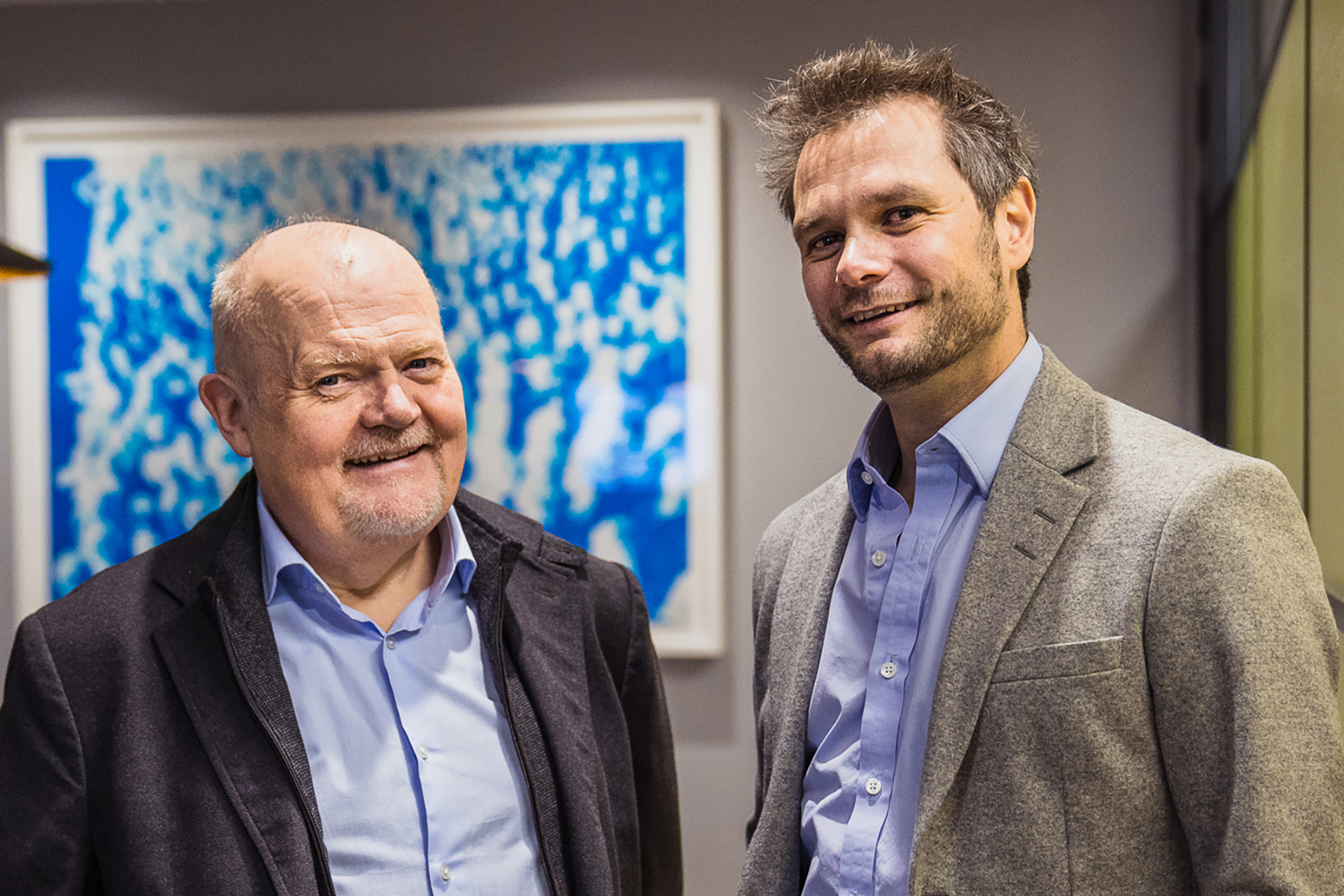
Jalal Fitoury, CEO for Europe at Permasteelisa Group, said:
“This is a significant refurbishment scheme right in the heart of the City.”
“Circularity is central to our forward-looking strategy at Permasteelisa Group and has fast become central to our conversations with our customers.”
“We’re already working on a number of these types of schemes in London, one of which is an iconic 200m tall tower in Canary Wharf, one of Europe’s largest workplace refurbishments.”
Targeting Recognised Performance Standards
The scheme’s sustainability ambitions are anchored to two established benchmarks: BREEAM Outstanding, the highest tier of the UK’s leading sustainability assessment method for buildings, and NABERS 4.5*, drawn from the NABERS rating system used to measure operational energy performance. Pursuing both alongside a retrofit-first approach signals an intent to deliver measurable environmental performance without erasing the building’s original design language.
The combination of restored bronze panels, reconfigured floorplates and new outdoor terraces is intended to bring the building in line with occupier expectations around wellness, while the retained façade keeps its presence recognisable within the City streetscape.
Part Of A Wider London Pipeline
60 Queen Victoria Street is one of several similar projects currently underway for Permasteelisa Group in London, according to Fitoury, who cited an ongoing 200 metre tower refurbishment in Canary Wharf as another example of the scale of workplace retrofit activity in the capital. Taken together, these projects point to a growing appetite among developers and contractors, including partners such as Mace Construct, for refurbishment schemes that combine heritage preservation with modern performance targets.
As the façade work progresses alongside the reconfiguration of the ground floor and upper levels, 60 Queen Victoria Street stands as a working example of how a late-1990s commercial building can be updated for current environmental standards without losing the architectural signature that first defined it.