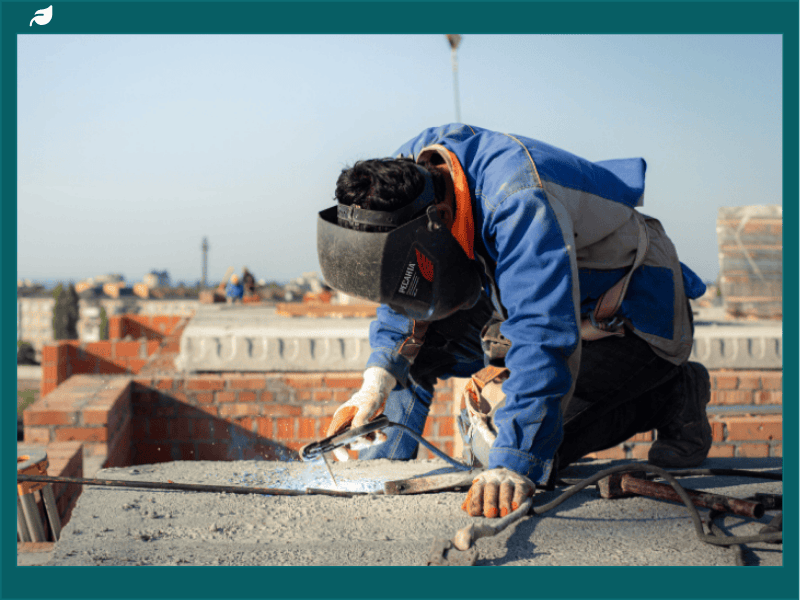
Modern manufacturing is under growing pressure to reduce waste, lower energy use, and extend the life of physical assets. Across industries, fabrication processes are being examined more closely — not just for output quality but also for the environmental impact they leave behind.
Welding, a core part of construction, pipeline systems, and heavy industry, is no exception. As sustainability goals begin to shape procurement and production standards, the tools and techniques welders use are being viewed through an environmental lens. What becomes clear is this: precision welding equipment and modern fabrication tech are quietly helping create more efficient, lower-waste operations.
The Hidden Environmental Cost of Imprecise Welding
Welding inefficiency doesn’t usually show up in sustainability reports, but its impact is real. Welds can fail due to poor visibility, fatigue, improper shading, or equipment that can’t handle field conditions, and the downstream effects add up fast.
Rework means more filler material and more energy. Rejected parts end up as waste. These equipment failures caused by weak welds can shorten the life of assets, which leads to faster replacements and higher demand for raw materials.
Poor arc visibility is one of the biggest reasons weld defects happen. If welders can’t clearly see the weld pool, they’re more likely to create uneven beads or use extra material just to be safe. All of this creates inefficiency. Better optical tools protect a welder’s eyes and cut down waste, reducing the need for rework.
Auto-Darkening Lenses and the Efficiency Argument
Auto-darkening welding lenses are among the most useful advancements in protective gear for fabrication work. Unlike traditional lenses that require welders to nod their helmets down before starting, these lenses react to arc light in milliseconds, automatically shifting from light to dark. That small change has real sustainability benefits.
Being able to see clearly before, during, and right after a weld helps fabricators position their work more accurately. It reduces mistakes like starting the arc in the wrong spot and cuts down on wasted material from repositioning or recutting.
Adjustable shade settings — usually between 9 and 13 — mean one lens can handle different welding tasks, from light MIG jobs to heavier stick or flux-core work. That kind of flexibility reduces the need for multiple tools and helps extend the life of each piece of equipment.
Some brands are focused on bringing that level of precision to working welders. Ridge Products Welding, available at ridgeproductswelding.com, has built its lineup around high-performance lenses made for demanding field use. Their adjustable auto-darkening lenses are designed with pipeline and specialty welders in mind — people who need consistent visibility where quality and structural strength can’t be compromised.
Longer Asset Lifecycles Through Better Fabrication
Sustainability in manufacturing isn’t just about using fewer resources — it’s also about making products last longer. Infrastructure built with strong, reliable welds holds up better, needs less maintenance, and delays the need for replacement. That connection between weld quality and asset lifespan doesn’t always get enough attention, but it plays a big role in a more circular approach to manufacturing.
Pipelines, structural steel, and heavy equipment all depend on weld strength for long-term performance. A solid weld — supported by good visibility and the right shading — helps with corrosion resistance, load handling, and fatigue over time.
When welds aren’t up to standard, the effects may not show right away, but they often lead to faster wear and tear. That shortens the life of the asset and increases the frequency of expensive replacements.
Investing in better welding optics isn’t just about safety. It directly affects how long a structure or piece of equipment can perform before it needs repairs or replacement. From a resource standpoint, making assets last longer is one of the smartest moves manufacturers and operators can make.
Specialty Lenses and Process-Specific Optimization
Another trend gaining traction among experienced welders is the use of color-filtered lenses, such as gold, silver, and cobalt blue, that improve contrast and visibility for specific tasks. These aren’t just for looks. Each color filters light differently, helping welders see the weld pool more clearly, reduce eye strain, and spot issues as they happen instead of after the job is done.
Cobalt blue lenses are often used in torch brazing and gas welding, where close monitoring of flame and material behavior is needed. Gold-coated lenses are great for blocking infrared and ultraviolet light, especially in high-amperage work. Silver lenses offer a more neutral view, making them a solid choice for general fabrication.
The sustainability benefit here comes down to getting things right the first time. When welders can clearly read what’s happening in the weld pool, they’re more likely to produce a clean, defect-free weld on the first try. That means less rework, less wasted material, and less energy spent repeating the same job.
Rod Ovens and Moisture Control in Sustainable Fabrication
One area that doesn’t get talked about much is electrode storage and moisture control. Low-hydrogen electrodes, commonly used in structural and pipeline welding, are very sensitive to moisture. If they absorb moisture from the air, it can lead to hydrogen cracking in the finished weld — a serious issue that often requires the weld to be completely removed and redone.
Welding rod ovens, also called rod heaters, maintain electrodes at controlled temperatures to keep them dry before and during use. The benefit is simple: dry electrodes produce stronger welds on the first attempt, reducing waste of material and labor.
Ridge Products Welding offers rod ovens alongside its lens products, demonstrating an understanding that weld quality doesn’t come from a single tool. It’s the result of having the right setup across the whole process.
Conclusion
Sustainable fabrication isn’t only about changing processes or switching materials. It also depends on the quality and accuracy of the tools used every day. Auto-darkening lenses, specialty filters, and proper electrode storage aren’t just add-ons — they directly affect weld quality, reduce waste, and help extend the life of finished products.
Manufacturers and procurement teams seeking to reduce their environmental impact should take a closer look at the entire fabrication process, including the equipment that welders rely on. Getting a weld right the first time saves materials, energy, and time.