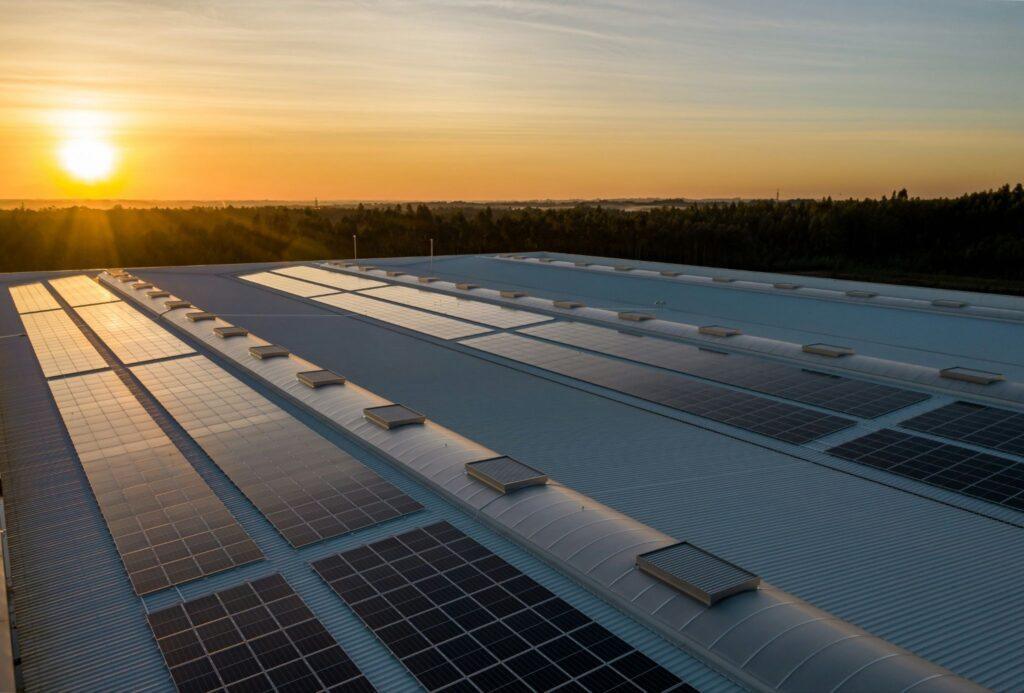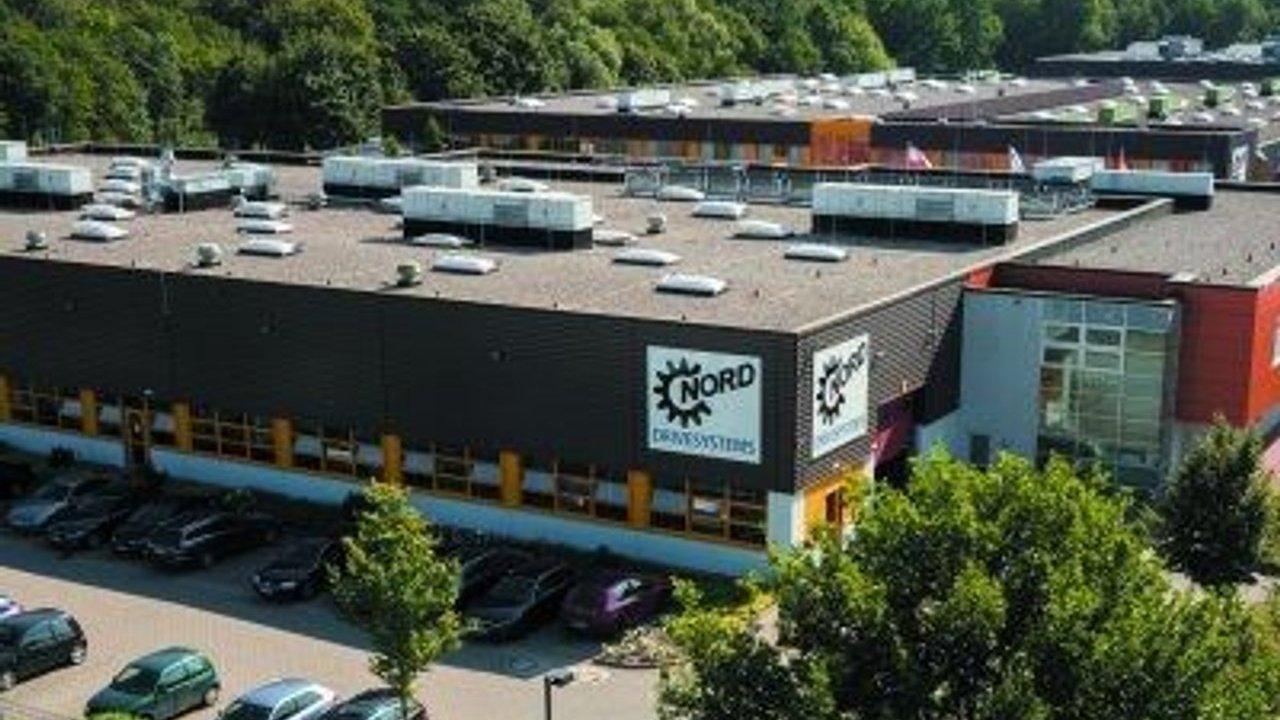
NORD DRIVESYSTEMS will source around one third of the electricity required at its Gadebusch manufacturing site from a nearby solar park in Lützow, Germany. The 3.5-hectare solar park was commissioned in June 2026 and is expected to generate 6.2 million kilowatt-hours of electricity each year, including output from photovoltaic modules on two hall roofs. Fertigungstechnik NORD in Gadebusch will receive 2.67 million kilowatt-hours annually from the system. The project forms part of the drive technology group’s work to reduce its reliance on fossil fuels and meet its 2030 emissions target.
Solar Supply For Gadebusch
Lützow, a municipality in Mecklenburg-Vorpommern with around 1,500 residents, has commissioned the solar park to provide renewable electricity locally. Fertigungstechnik NORD, located around a 10-minute drive away in Gadebusch, is the largest consumer of its output.
The arrangement gives the manufacturing operation a direct connection to a regional renewable energy source. Its annual allocation of 2.67 million kilowatt-hours represents approximately one third of the site’s electricity requirement, making solar power a substantial part of the plant’s energy supply.
The project combines the nearby solar park with photovoltaic modules installed on the roofs of two halls. Together, the system is expected to produce 6.2 million kilowatt-hours of electricity each year.
Energy Intensive Manufacturing
Gadebusch is a high-output site within NORD’s manufacturing network. The plant produces housings, shafts and worm wheels six days a week, operating throughout the day to support its production programme.
More than 180 employees work across five halls, using more than 80 machines and 60 interconnected systems. The site produces almost two million components each year and has a high level of automation, creating a substantial and continuous electricity requirement.
Matching part of that demand with solar generation offers a practical route for an industrial site to reduce fossil energy use while maintaining manufacturing capacity. The connection also places the Gadebusch operation within a wider effort across NORD’s sites to increase renewable electricity use.
Building On Heat Recovery
The solar connection follows an earlier energy project at Fertigungstechnik NORD. Since 2012, the plant has introduced a heat recovery scheme in stages, using plate-type heat exchangers to capture surplus heat from production machinery.
That recovered heat is used for factory halls, offices and hot water. When outdoor temperatures are above 0 °C, the recovery system operates without additional heating.
The scheme saves around one third of the 583,000 kilowatt-hours of fossil heat energy previously used at the site each year. The combination of waste heat recovery and renewable electricity shows how established industrial facilities can address different parts of their energy demand through site-specific measures.
Group Wide Emissions Targets
The Gadebusch project supports NORD’s sustainability strategy, which calls for a continuing increase in self-produced electricity and the use of renewable energy across the group. Projects involving renewable power are being implemented at different NORD locations.
NORD aims to reduce its Scope 1 and Scope 2 greenhouse gas emissions by 45 per cent by 2030, compared with its 2024 base year. Scope 1 covers direct emissions from sources owned or controlled by a company, while Scope 2 covers indirect emissions associated with purchased energy.
For Gadebusch, the solar park connection and existing heat recovery system provide two distinct ways to cut fossil energy dependence. The plant’s role as the principal customer for the Lützow installation also ties its manufacturing activity to renewable generation in the surrounding area.
Looking for a solar installer?
Compare MCS-certified solar panel installers across the UK in our directory, with ratings, reviews and free quotes, listed by county.
Related solar guides: