Europe’s golf industry is adopting circular material solutions, with discarded fishing nets being repurposed for use in course infrastructure. The approach reflects a wider shift across the sector to reduce environmental impact through material selection.
Golf clubs require large volumes of netting for driving ranges and training areas. These installations are exposed to weather and repeated use, meaning they are replaced regularly. This creates an opportunity to introduce recycled alternatives in place of products made from virgin plastic.
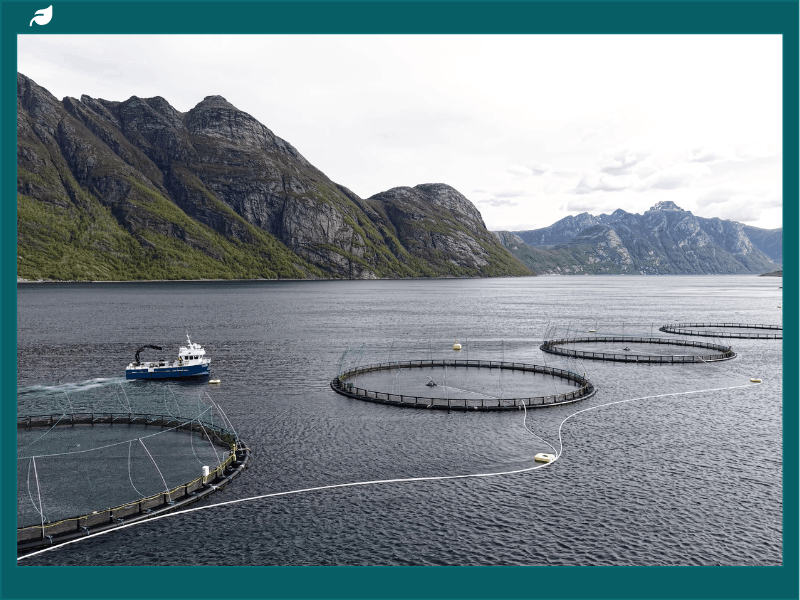
Norwegian recycling company Nofir is supplying netting made from end-of-life fishing gear collected from fisheries and aquaculture operations. The company processes the material into durable nets designed for applications including sports facilities, extending the lifespan of materials that would otherwise become waste.
By reusing existing plastics, the production process can significantly reduce greenhouse gas emissions. Nofir states that emissions are around 90% lower compared with conventional plastic production, while also contributing to reduced marine pollution.
“Golf facilities rely on significant amounts of netting, and this presents a clear opportunity to reduce environmental impact through more responsible material choices,” says Andreas Nordvik, Head of Market and Business Development at Nofir.
The durability of fishing gear is a key factor in its suitability for reuse. Designed to withstand harsh marine conditions, the material retains the strength and resilience required for demanding applications such as golf range netting.
“Fishing gear is designed to be extremely durable due to the demanding conditions at sea. This makes the material well suited for reuse in applications that require strength and longevity,” Nordvik says.
The use of recycled nets has already been established in Norway, where several golf clubs have installed the material in practice facilities. The nets are produced through a collection and recycling system that maintains consistent quality and performance standards.
This model supports a circular value chain by keeping materials in use for longer. Instead of being discarded or contributing to ocean waste, the nets are reprocessed into new products with continued practical value.
The concept is now expanding beyond Northern Europe. In Portugal, Castro Marim Golfe in the Algarve has placed an order for recycled netting, which will be installed at its driving range facilities. The move signals growing interest in the approach across established golf markets.
“Golf is closely connected to nature, and it is important for the industry to consider solutions that help reduce environmental impact where possible,” says António Cavaco, Golf Director at Castro Marim Golfe.
Portugal is one of Europe’s leading golf destinations, with many courses operating throughout the year. As sustainability considerations become more prominent within the sport, infrastructure choices are emerging as an area where changes can be made without affecting gameplay.
Material use in golf course operations is gaining attention alongside other environmental measures such as water management and biodiversity initiatives. While netting may represent a relatively small component of overall operations, its repeated replacement means that changes in sourcing can have cumulative effects.
“Even relatively small changes in material selection can create meaningful environmental benefits when implemented across many facilities,” Nordvik says.
The adoption of recycled fishing nets aligns with broader efforts to address plastic waste and emissions across industries. Fishing gear is a known contributor to marine pollution, particularly when lost or discarded at sea. Collecting and repurposing these materials provides an alternative pathway that supports both waste reduction and resource efficiency.
For the golf sector, the shift reflects a practical application of circular economy principles. By integrating recycled materials into standard infrastructure, clubs can reduce reliance on virgin resources while maintaining operational requirements.
As more facilities evaluate their environmental footprint, material choices are expected to play a larger role in sustainability strategies. The use of recycled netting illustrates how existing waste streams can be redirected into new applications within established industries.
With early adoption underway in Norway and expansion into Southern Europe, the approach is beginning to gain traction. Its continued uptake will depend on factors including cost, performance, and the availability of recycled materials at scale.
The development points to a broader trend in which sectors not traditionally associated with heavy material use are identifying opportunities to reduce impact through procurement decisions. In golf, where the natural environment is central to the sport, such changes are increasingly part of long-term operational planning.